Quote · Added 14 February 2026
Nothing is softer or more flexible than water, yet nothing can resist it.
Lao TzuTao Te Ching, Chapter 78
No ratings yet
Filed underwater·resilience·strength
Quote · Added 14 February 2026
Filed underwater·resilience·strength
We usually admire hardness—the person who holds firm, never gives an inch, refuses to bend. But water teaches a different kind of strength, one that's so quiet we almost miss it. Watch how a river wears away stone, not through force but through gentle, persistent flow. Water doesn't announce itself or demand respect. It simply moves around obstacles, fills empty spaces, and keeps going. By the time you notice the canyon, the water has already won.
This matters now because we're surrounded by people and systems that equate toughness with winning. We're told to fight harder, resist more, hold the line. Yet some of life's most powerful changes happen through flexibility, not rigidity. The person who listens instead of argues, who adapts instead of insists, who finds another way instead of battering through—they often end up exactly where they wanted to be. Water doesn't need to convince you it's powerful. It just needs time.
The trick is knowing when to be water. Rigidity has its place, but it's exhausting and brittle. Flexibility doesn't mean weakness or giving up. It means understanding that soft persistence often succeeds where hard force fails—in relationships, in solving problems, in how we move through a world determined to resist us.
Lao Tzu was an ancient Chinese philosopher and writer believed to have lived in the 6th century BCE. He is known as the author of the Tao Te Ching, a foundational text of Taoism, which emphasizes humility, simplicity, and harmony with nature. Lao Tzu's teachings have had a lasting impact on Chinese philosophy and spirituality.
Also by Lao Tzu
Because he does not compete, no one can compete with him.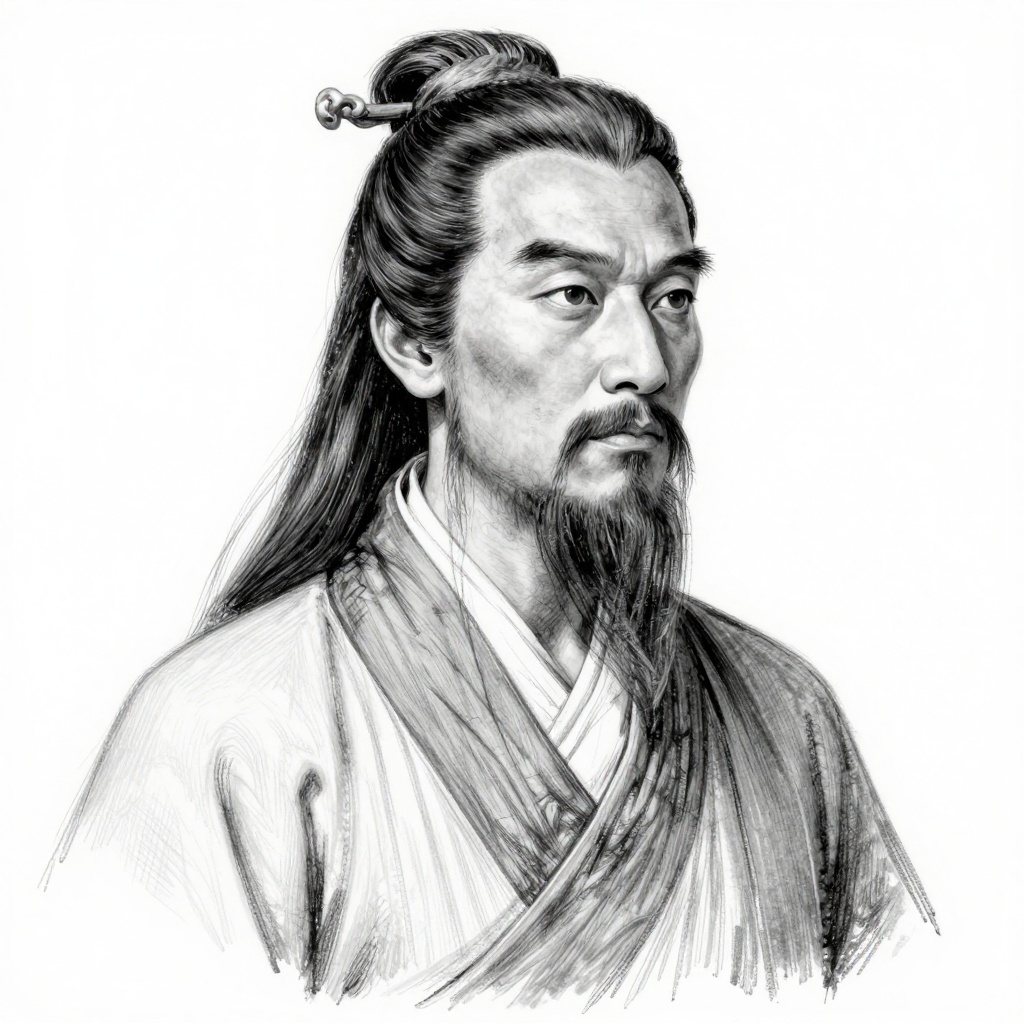
Comments