Quote · Added 14 February 2026
An ant on the move does more than a dozing ox.
Lao TzuTao Te Ching, Chapter 64
No ratings yet
Quote · Added 14 February 2026
There's something quietly radical about this. We live in a culture that worships big, dramatic gestures—the massive career pivot, the transformative vacation, the one perfect decision that changes everything. But Lao Tzu is pointing at something different: the invisible power of steady, purposeful motion. An ant isn't impressive by any measure. It's tiny, ordinary, easily overlooked. Yet because it moves with intention, it accomplishes what the ox—despite being vastly stronger—never will. The ox has potential. The ant has results.
This matters because most of us spend energy oscillating between two states: either paralyzing ourselves waiting for the perfect moment to do something big, or burning out trying to conjure impressive momentum that never quite arrives. The ant model suggests a different path. It's not about being exceptional or having special talents. It's about showing up repeatedly, even modestly. One email sent. One page written. One conversation started. These micro-movements compound because they're actually happening, while we're still thinking.
The unexpected part? This isn't motivational in the way we expect. It's not telling you to hustle harder or optimize your morning routine. It's permission to move small. To trust that forward motion—any forward motion—beats waiting for the strength to leap.
Lao Tzu was an ancient Chinese philosopher and writer believed to have lived in the 6th century BCE. He is known as the author of the Tao Te Ching, a foundational text of Taoism, which emphasizes humility, simplicity, and harmony with nature. Lao Tzu's teachings have had a lasting impact on Chinese philosophy and spirituality.
Also by Lao Tzu
Because he does not compete, no one can compete with him.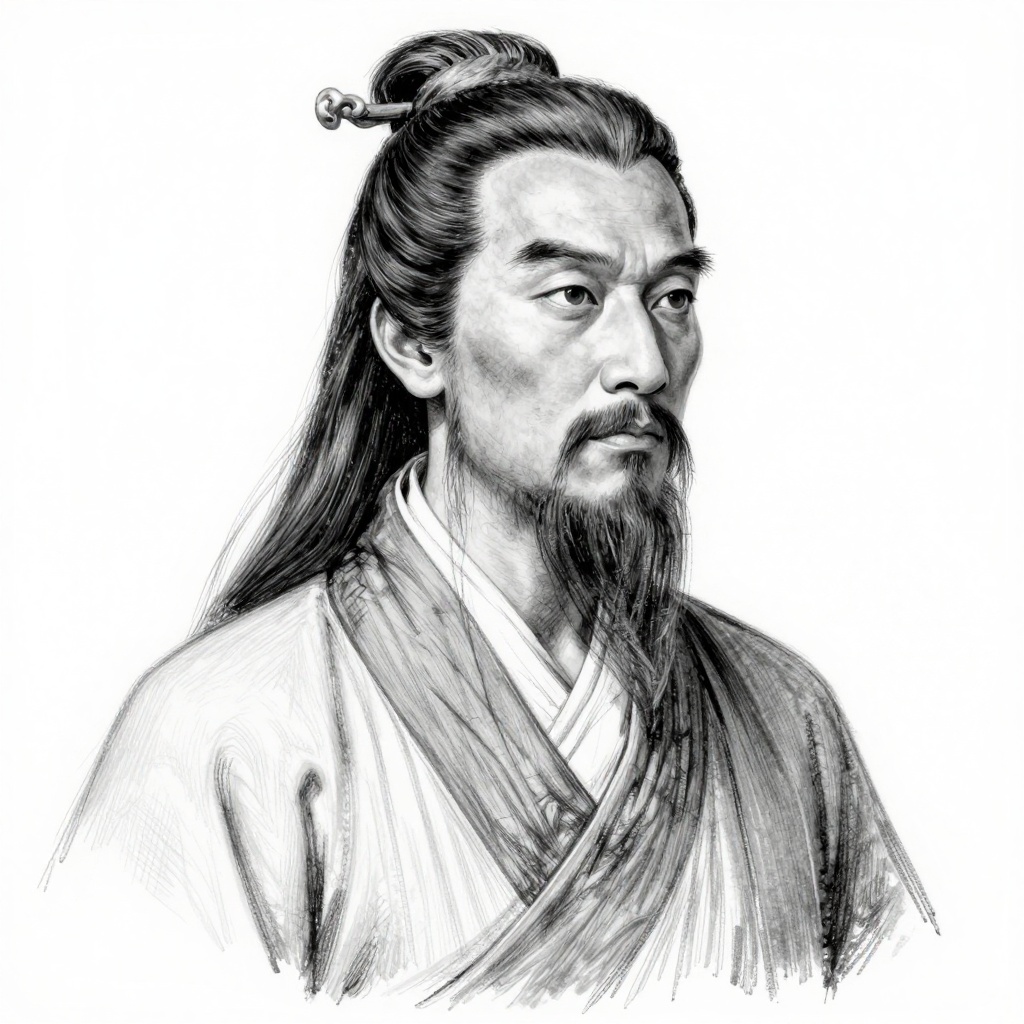
Comments