Quote · Added 17 August 2023
Nothing in the world is harder than speaking the truth and nothing easier than flattery.
No ratings yet
Quote · Added 17 August 2023
We live in an age of relentless agreeability. Your boss asks if the presentation worked, and you nod. Your friend's new outfit is unflattering, and you say it's great. We've built entire professional cultures around the soft yes, the gentle hedge, the compliment that costs nothing. It feels easier because it is—flattery requires no courage, no risk of rejection or conflict. The truth, by contrast, demands something from us: the willingness to be disliked, misunderstood, or worse.
But here's what makes this observation sharper than it first appears: we often convince ourselves we're being kind when we're actually being cowardly. Telling someone what they want to hear feels generous in the moment, but it leaves them unchanged, unsupported, even betrayed when reality hits. Real friendship or honesty at work means occasionally saying the hard thing—that the project needs more work, that the idea won't land, that you're worried about them.
The difficulty La Rochefoucauld describes isn't really about the words themselves. It's about tolerating the discomfort that follows: the awkward silence, the hurt expression, the possibility that someone won't like you for a while. That's the price of truth. And most of us, given the choice between temporary awkwardness and easy approval, will reach for the flattery. Which is exactly why truth remains so rare and valuable.
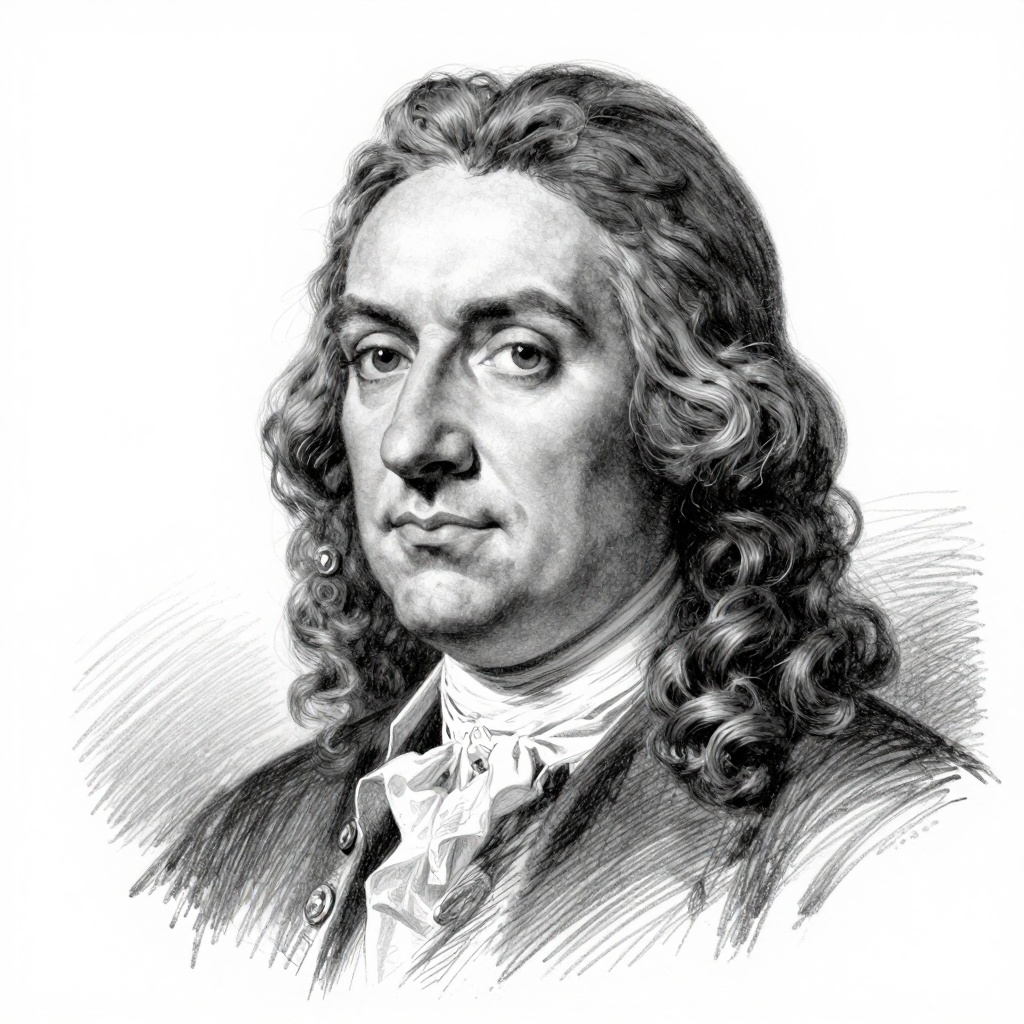
d. 1680
La Rochefoucauld (François VI, Duc de La Rochefoucauld) was a French author and moralist. He is best known for his "Maxims", a collection of concise observations and reflections on human behavior, morality, and society, which have had a significant influence on literature and philosophy.
Comments