Quote · Added 14 February 2026
Writing is the only profession where no one considers you ridiculous if you earn no money.
Jules RenardJournal, 1897
No ratings yet
Filed underwriting·profession·perception
Quote · Added 14 February 2026
Filed underwriting·profession·perception
There's something weirdly permissive about being a writer that doesn't exist in other fields. If you're a musician making no money, people start asking when you'll get a "real job." But a writer can spend years perfecting their craft, living on ramen, and somehow that's still considered noble rather than delusional. The cultural permission slip feels almost ironic—we romanticize the starving artist, but we do it most enthusiastically for people whose work we can barely see happening.
Part of this is that writing has a built-in escape hatch: everyone who reads assumes they could write too. It's not like neurosurgery or violin, where the barrier to entry is glaringly obvious. So there's less envy, more sympathy. But there's something else going on too. We've collectively decided that the attempt to write—to think deeply enough to put words down that matter—is inherently valuable, even if nobody pays for it. Whether that generosity is deserved or just reflects our literary wishful thinking is another question.
The real tension Renard's pointing at is that writing might be the last refuge where we still believe in doing something for its own sake. That's either beautifully idealistic or dangerously enabling, depending on which day you ask.
1864–1910·lived 46 years
Jules Renard (1864-1910) was a French author and playwright, best known for his works that depict the rural life of France with a keen sense of observation and wit. His most notable works include the short story collection "Poil de Carotte" and the journal "Journal," which reflect his experiences and thoughts on literature and society. Renard's writing style is characterized by its concise prose and poignant insights into human nature.
Also by Jules Renard
It is not how old you are, but how you are old.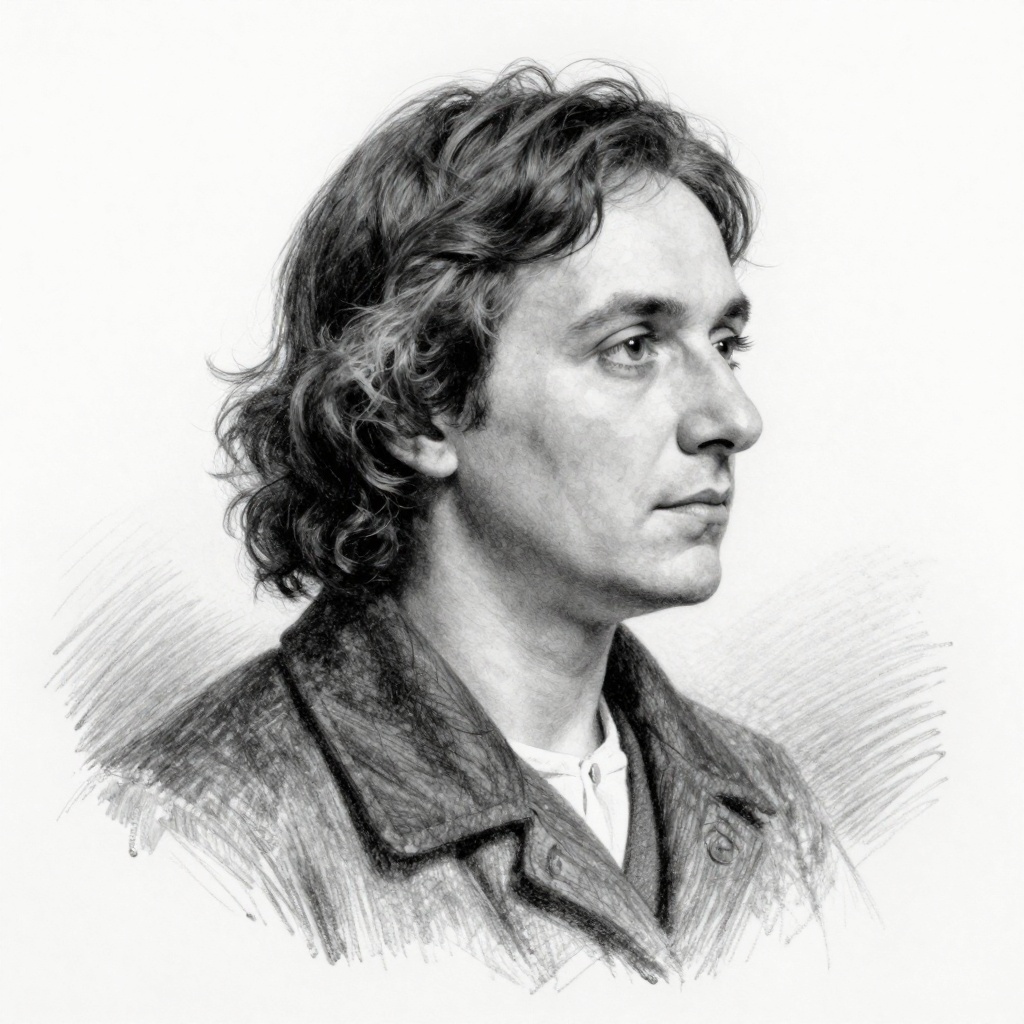
Comments