Quote · Added 14 February 2026
It is not how old you are, but how you are old.
Jules RenardJournal, 1887–1910, 1925
No ratings yet
Filed underage·wisdom·perspective
Quote · Added 14 February 2026
Filed underage·wisdom·perspective
There's a peculiar freedom in realizing that aging isn't something that happens to you the same way for everyone. Two people at sixty can feel completely different—one stiff, resentful, and stuck in old patterns; the other curious, limber, and still experimenting with life. The difference rarely comes down to genetics alone. It's about the choices you keep making, even small ones: whether you stay interested in things, whether you let your body move, whether you remain willing to look foolish trying something new.
What makes this idea so practical is that it shifts responsibility back to you in the best way. You can't control the calendar, but you can control whether you're calcifying or evolving. Staying old in the worst sense happens gradually—through small surrenders, through deciding you've already figured out how things work, through fear masquerading as wisdom. The antidote isn't gym membership or skincare routines alone. It's the daily choice to remain pliable: to ask dumb questions, to change your mind about things you were sure about, to let yourself be surprised.
The people who age well don't necessarily feel young. They just refuse to let their years become an excuse to stop engaging with the world.
1864–1910·lived 46 years
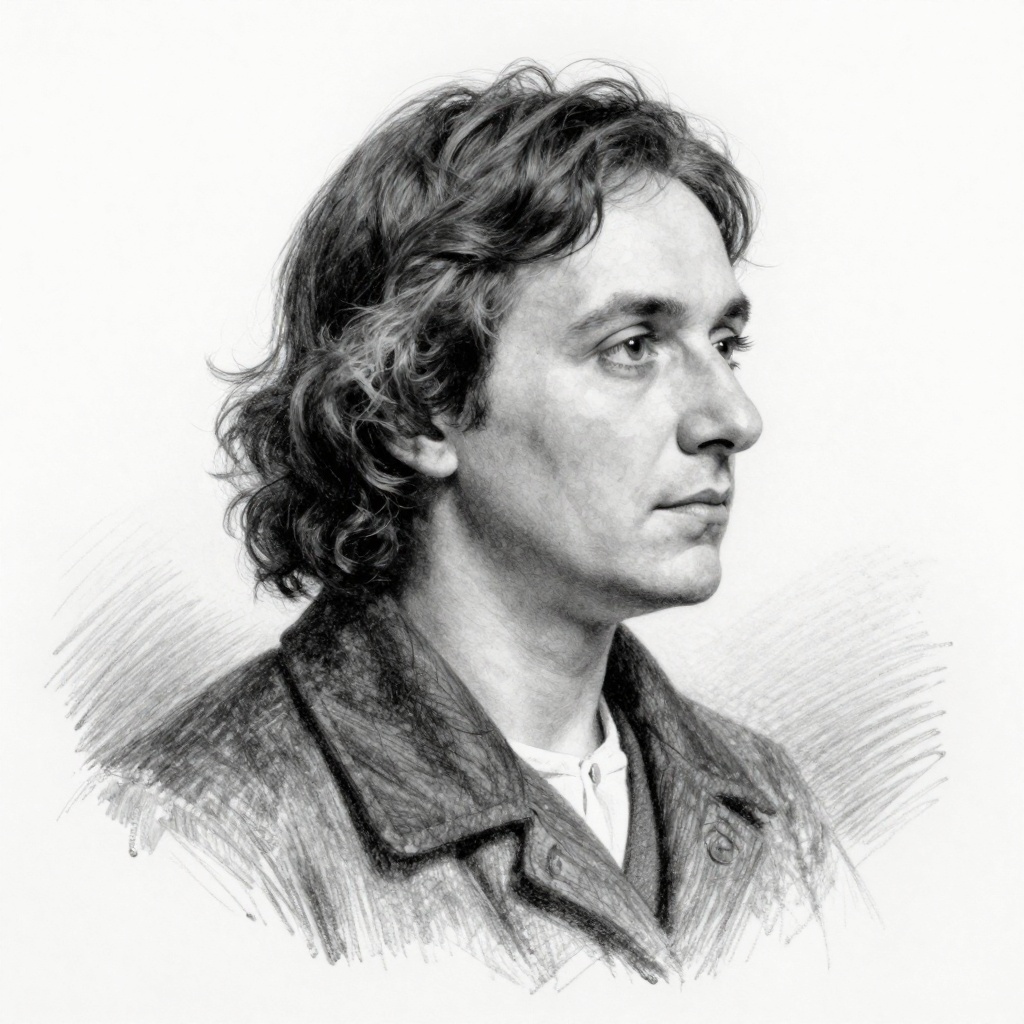
Jules Renard (1864-1910) was a French author and playwright, best known for his works that depict the rural life of France with a keen sense of observation and wit. His most notable works include the short story collection "Poil de Carotte" and the journal "Journal," which reflect his experiences and thoughts on literature and society. Renard's writing style is characterized by its concise prose and poignant insights into human nature.
Comments