Quote · Added 10 February 2026
Reading is to the mind what exercise is to the body.
Joseph AddisonThe Tatler, No. 147, 1711–1714
No ratings yet
Quote · Added 10 February 2026
When you skip the gym for a week, you feel it—your energy dips, your mood softens, your body gets a little stiffer. Most of us intuitively understand that physical neglect has real consequences. But we often treat our minds differently, as though thinking is something that happens to us rather than something we need to actively practice. Reading works exactly like exercise: it strengthens your ability to focus, builds your capacity to hold complex ideas, and keeps your mental reflexes sharp. Without it, your mind atrophies in quieter, less obvious ways.
The tricky part is that mental weakness doesn't announce itself like sore muscles do. You might not notice you're getting slower at understanding difficult ideas, or that your attention span is shrinking, or that you're stuck in the same narrow loop of thoughts. These changes happen gradually. The good news is the reverse is also true—a little consistent reading rebuilds mental stamina faster than most people expect. It doesn't have to be Shakespeare or dense philosophy. A challenging article, a well-written book, even quality long-form journalism counts as real training. Your mind, like your muscles, responds to whatever weight you regularly lift.
1672–1719·lived 47 years
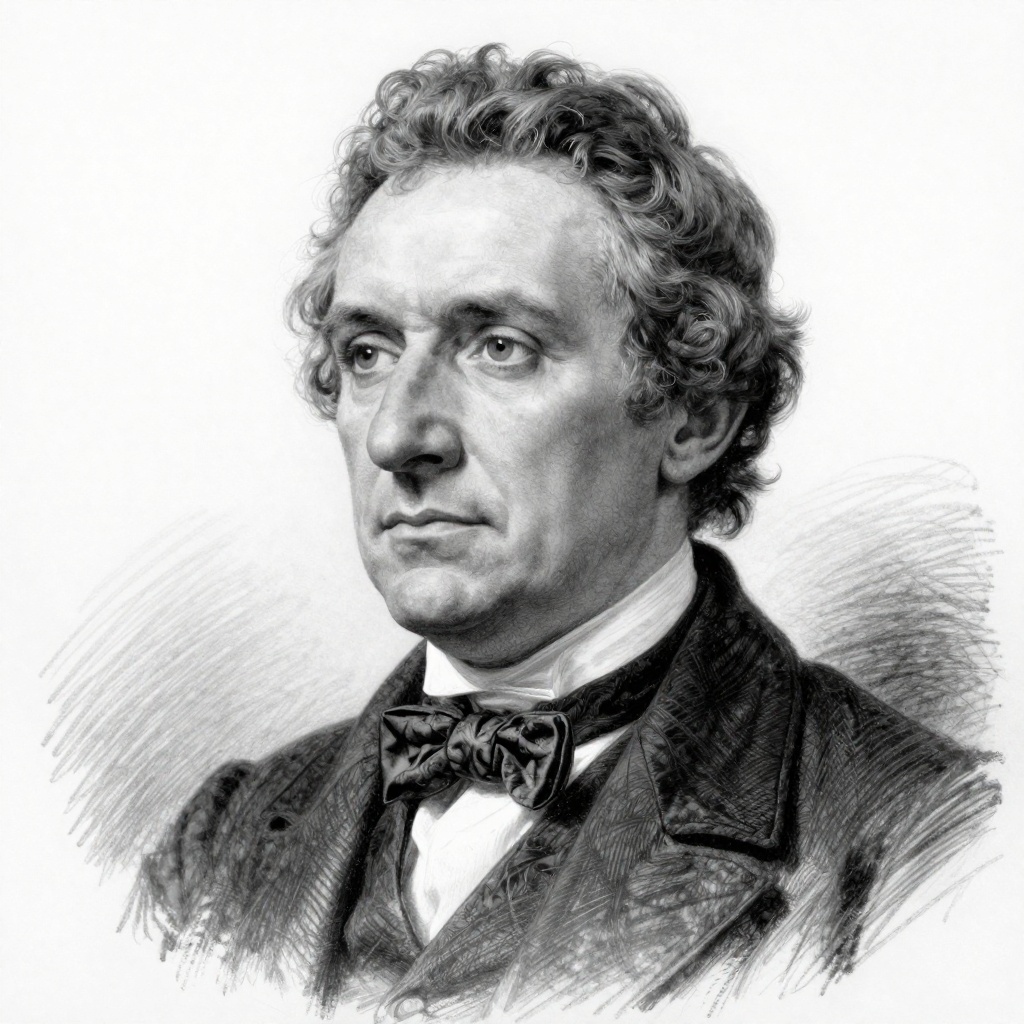
Joseph Addison (1672–1719) was an English essayist, poet, and playwright best known for his contributions to "The Spectator" magazine, which he co-founded with Richard Steele in 1711. Addison's essays in "The Spectator" addressed various social, moral, and political issues of the time and helped shape the development of English journalism and literature.
Comments