Quote · Added 14 February 2026
He who receives money in trust to administer for the benefit of its owner, and uses it either for his own interest or against the wishes of its rightful owner, is a thief.
No ratings yet
Quote · Added 14 February 2026
We tend to think of theft as something straightforward—sneaking into a store, taking what isn't ours. But Marti points to something quieter and harder to name: the betrayal that happens when someone in a position of trust decides the rules don't apply to them. A financial advisor who nudges your retirement funds into products that benefit him more than you. A manager who uses company resources for personal projects. A parent who spends money set aside for a child's education. These aren't always prosecuted as theft, but they carry the same core violation—taking what was never theirs to take.
What makes this distinction matter is that it calls out a kind of moral sleepwalking. When you're handling someone else's money or resources, it's easy to convince yourself small deviations are justified, that you know better than the owner what should be done. But trust isn't permission to rewrite the rules. The moment you substitute your judgment for theirs, or your interests for theirs, you've crossed into something that deserves to be named clearly—not just as bad management, but as theft dressed in the language of good intentions.
1853–1895·lived 42 years
José Martí was a Cuban poet, essayist, journalist, and revolutionary leader born on January 28, 1853. He is best known for his role in advocating for Cuban independence from Spanish rule and for his influential literary works that emphasized themes of liberty and social justice. Martí's legacy as a national hero of Cuba continues to inspire movements for freedom and human rights across Latin America.
Also by Jose Marti
The first duty of a man is to think for himself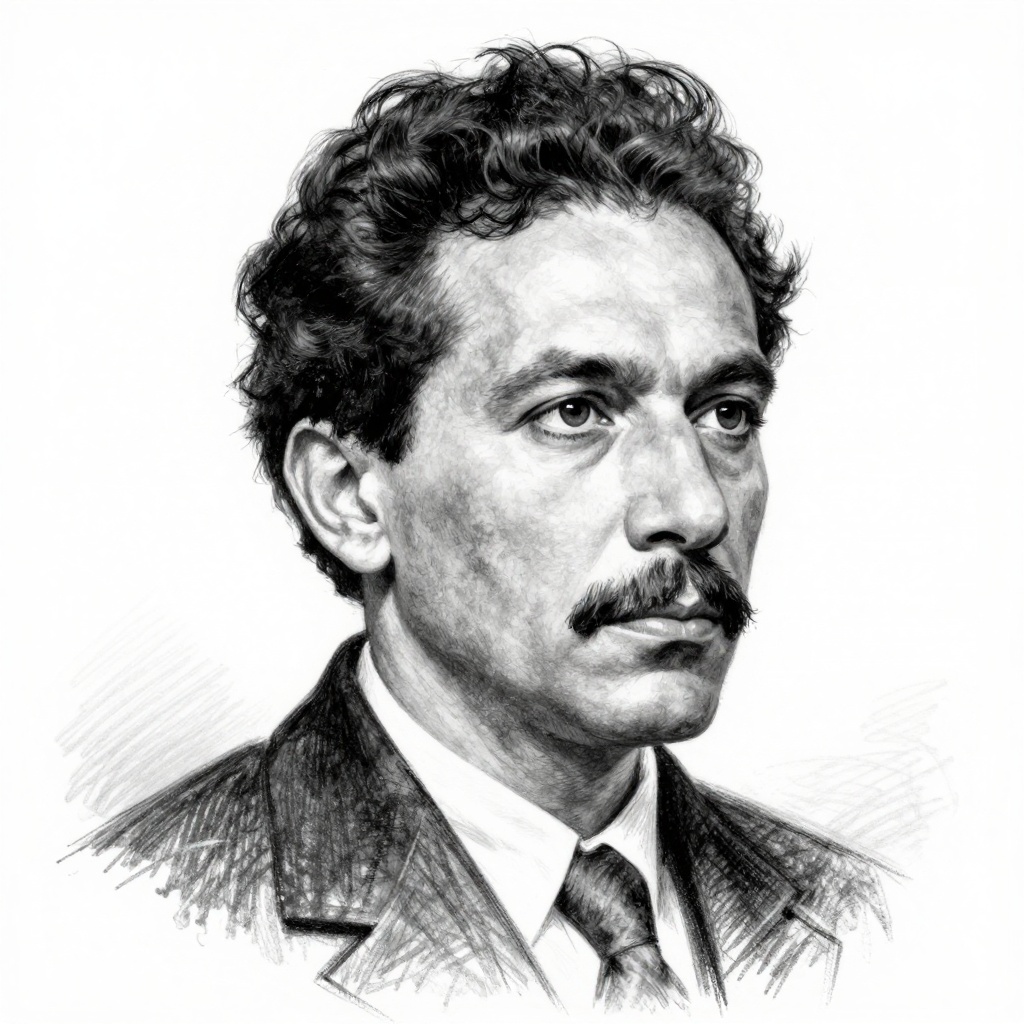
Comments