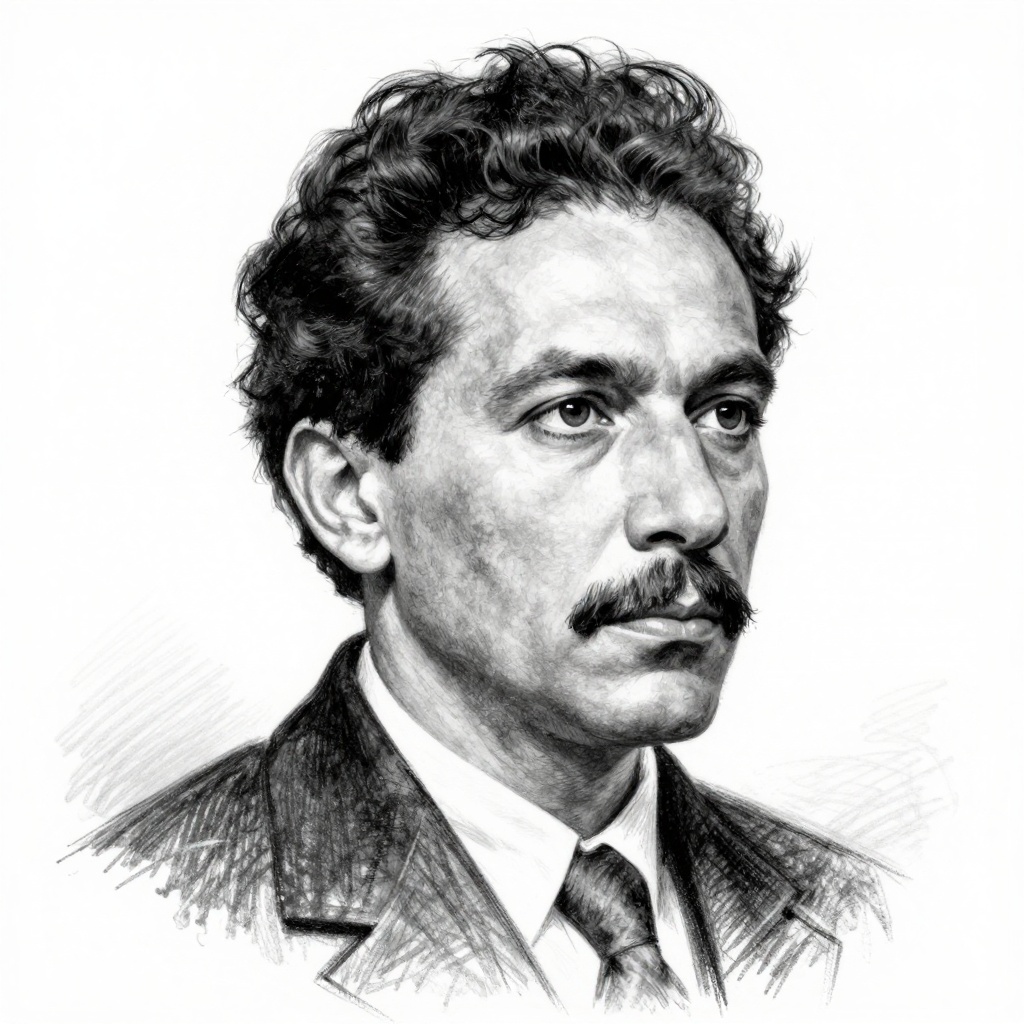
Happiness exists on earth, and it is won through prudent exercise of reason, knowledge of the harmony of the u... — Jose Marti

Happiness exists on earth, and it is won through prudent exercise of reason, knowledge of the harmony of the universe, and constant practice of generosity.

Author: Jose Marti

Insight: We tend to treat happiness like something that happens to us—a stroke of luck, a perfect circumstance, a life finally arranged correctly. But this quote suggests something more active: happiness is actually something we win, which means it requires strategy, learning, and repeated effort. That's both harder and oddly more hopeful than waiting around for the right conditions. The practical part is interesting. "Prudent exercise of reason" means thinking clearly about what actually matters versus what you think should matter. It means noticing when you're chasing something out of habit or pressure rather than genuine desire. Understanding "the harmony of the universe" might sound abstract, but it's really about recognizing patterns—how things interconnect, how your actions ripple outward, why small consistent choices compound over time. And then constant generosity brings it home: the part you actually control is how you show up for others, how you give your attention and care. What makes this different from typical self-help is that it's not about optimizing yourself or finding your passion. It's about cultivating specific habits of mind and action that naturally create the conditions where contentment can take root. Happiness isn't the destination; these practices are both the map and the journey.

Happiness is something you win

Happiness exists on earth, and it is won through prudent exercise of reason, knowledge of the harmony of the universe, and constant practice of generosity.

We tend to treat happiness like something that happens to us—a stroke of luck, a perfect circumstance, a life finally arranged correctly. But this quote suggests something more active: happiness is actually something we win, which means it requires strategy, learning, and repeated effort. That's both harder and oddly more hopeful than waiting around for the right conditions.

The practical part is interesting. "Prudent exercise of reason" means thinking clearly about what actually matters versus what you think should matter. It means noticing when you're chasing something out of habit or pressure rather than genuine desire. Understanding "the harmony of the universe" might sound abstract, but it's really about recognizing patterns—how things interconnect, how your actions ripple outward, why small consistent choices compound over time. And then constant generosity brings it home: the part you actually control is how you show up for others, how you give your attention and care.

What makes this different from typical self-help is that it's not about optimizing yourself or finding your passion. It's about cultivating specific habits of mind and action that naturally create the conditions where contentment can take root. Happiness isn't the destination; these practices are both the map and the journey.

AI generated

Comments

Sign in to leave a comment or reply to one.

Sign in

Jose Marti

José Martí was a Cuban poet, essayist, journalist, and revolutionary leader born on January 28, 1853. He is best known for his role in advocating for Cuban independence from Spanish rule and for his influential literary works that emphasized themes of liberty and social justice. Martí's legacy as a national hero of Cuba continues to inspire movements for freedom and human rights across Latin America.

Graph

Related