Quote · Added 14 February 2026
Vision is the art of seeing what is invisible to others.
Jonathan SwiftThoughts on Various Subjects from Miscellanies, 1711 - 1726
Filed undervision·insight·creativity
Quote · Added 14 February 2026
Filed undervision·insight·creativity
Most of us think of vision as eyesight—the ability to literally see what's in front of us. But this quote points to something stranger and more useful: the capacity to notice patterns, possibilities, and problems that everyone else walks past. It's the difference between someone who sees a neighborhood falling apart and someone who sees an opportunity to rebuild community there. Between someone who sees a failed project and someone who sees what the failure teaches.
The invisible part matters more than we usually admit. When an entrepreneur spots a gap in the market that seems obvious in hindsight, they weren't seeing anything different—they were just willing to look at ordinary reality and imagine what could change it. This kind of vision requires a specific kind of courage: the willingness to trust your own perception even when no one else sees it yet, and to stay committed while people tell you you're wrong.
What makes this particularly relevant now is how much noise competes for our attention. Real vision isn't about having some mystical insight; it's about the discipline to look deeper into situations everyone sees but nobody examines. It's asking better questions. The invisible things Swift meant—trends, human needs, consequences—are often hiding in plain sight, waiting for someone patient enough to actually see them.
1667–1745·lived 77 years
Jonathan Swift (1667-1745) was an Irish writer, poet, and satirist best known for his works "Gulliver's Travels" and "A Modest Proposal." He served as a clergyman in the Church of Ireland and became one of the foremost satirical voices of his time, using his sharp wit to critique social and political issues in Europe. Swift's writing remains influential and is celebrated for its unique style and biting commentary.
Also by Jonathan Swift
May you live every day of your life.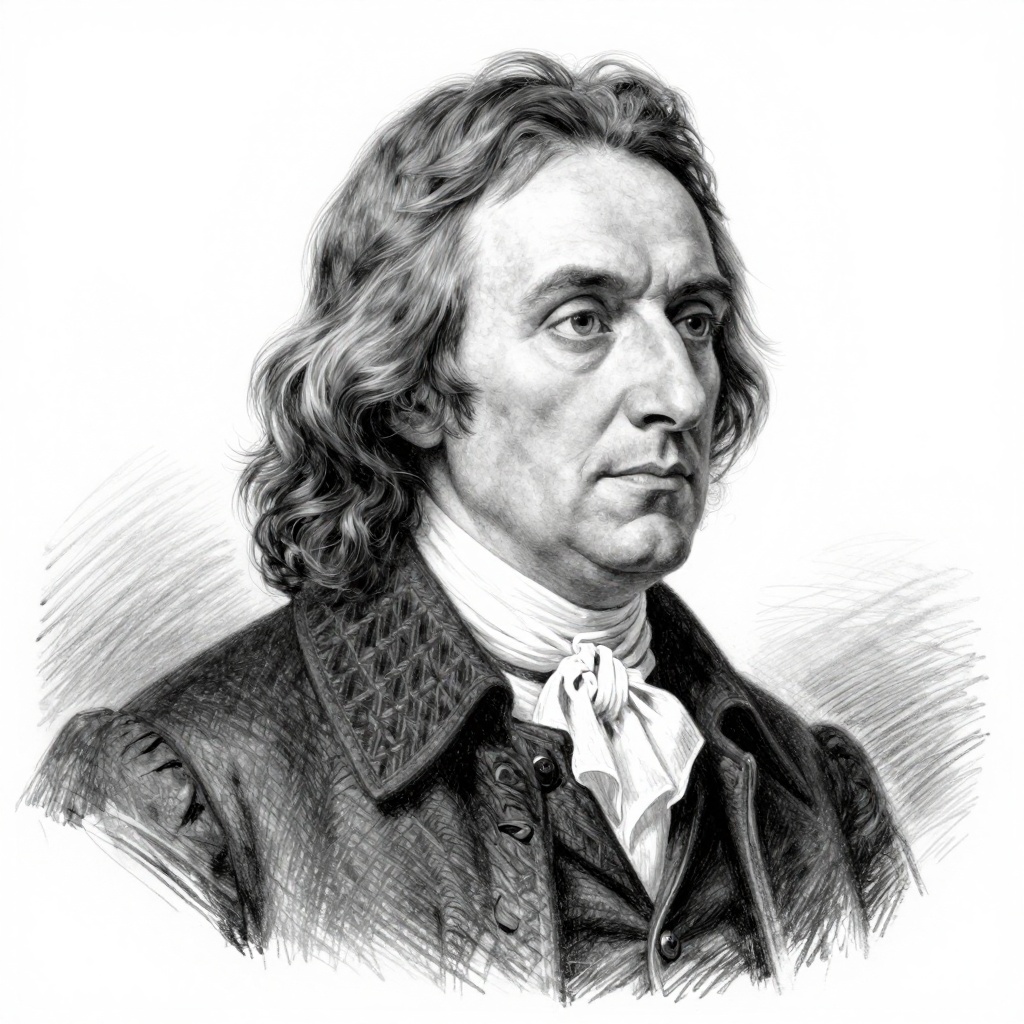
Comments