Quote · Added 14 February 2026
Where it is a duty to worship the sun it is pretty sure to be a crime to examine the laws of heat.
John MorleyDuty, 1870s
Filed underworship·duty·examination
Quote · Added 14 February 2026
Filed underworship·duty·examination
We live in an age of unprecedented information, yet some of our most protected beliefs never face scrutiny. Morley's observation cuts deeper than religion—it's about any system that demands loyalty without questions. When something becomes sacred in our minds, whether it's a political ideology, a company's mission, or even a self-help philosophy, we often stop asking the hard questions about how it actually works. We defend it reflexively instead of testing it.
The real cost shows up in small ways. A company culture that discourages criticism stagnates. A friendship built on never challenging each other grows shallow. A personal belief you've never questioned might be holding you back. We're often taught that doubt is the enemy of faith or commitment, but Morley suggests the opposite: blind devotion and genuine understanding can't coexist. The moment you stop being allowed to ask "why" or "how," you've entered territory where truth matters less than obedience.
What makes this particularly tricky today is that we don't worship the sun anymore—but we definitely worship certain narratives. We worship our own past choices, our team's conventional wisdom, our family's way of doing things. The question worth sitting with: what am I not permitted to examine in my own life? And why?
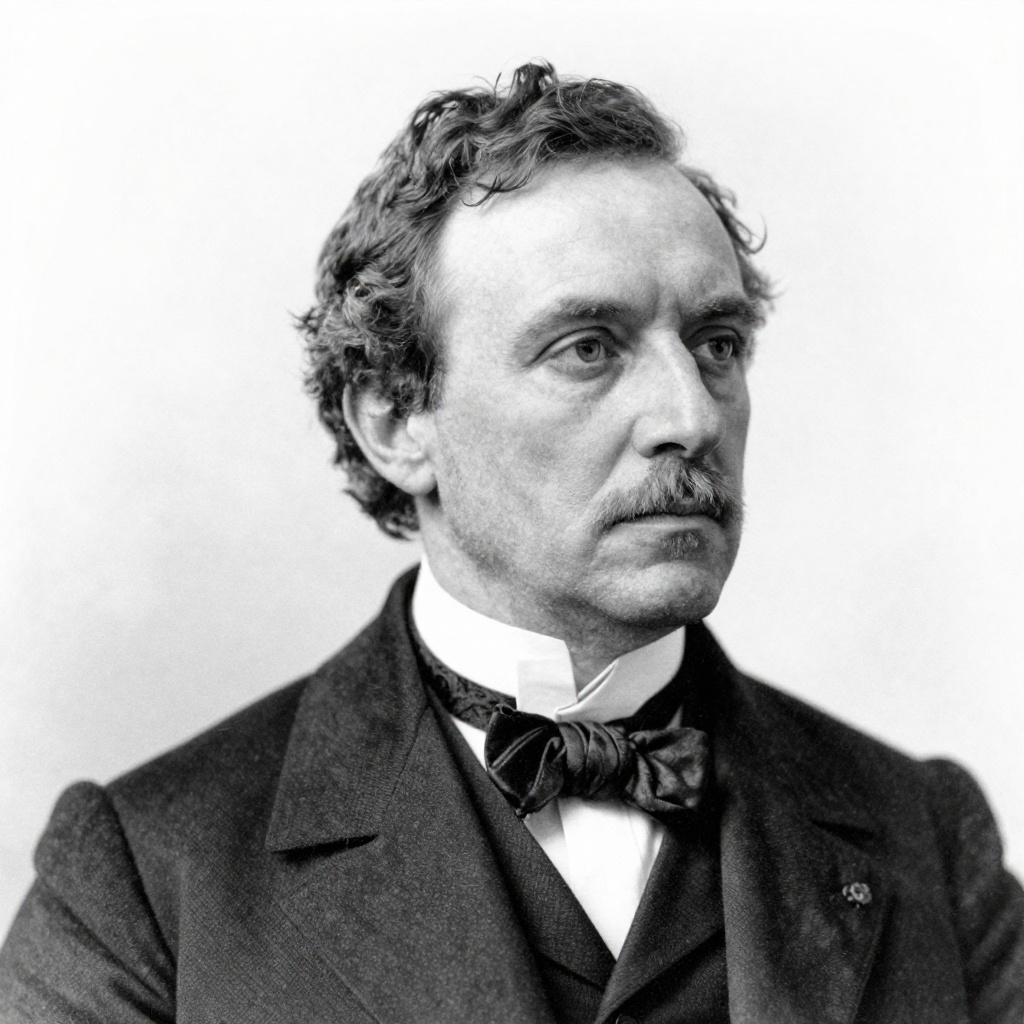
1838–1923·lived 84 years
John Morley (1838-1923) was a British politician, writer, and journalist, best known for his roles as a Liberal politician and a prominent advocate for social reform. He served as Secretary of State for India and was awarded a peerage as Lord Morley of Blackburn. Morley is also recognized for his writings on history, philosophy, and literature, as well as for his critical biographies of notable British figures.
Comments