Quote · Added 28 February 2026
What we see depends mainly on what we look for.
Filed underperception·perspective·focus
Quote · Added 28 February 2026
Filed underperception·perspective·focus
You know how you decide to buy a specific car and suddenly see it everywhere? That isn't magic, it's your brain filtering the noise. We do this with our moods too. If you wake up expecting a disaster, you will find the traffic jam that confirms it. If you scan for kindness, you spot the stranger holding the door. Our attention acts like a flashlight in a dark room, illuminating only what we point it at while leaving the rest in shadow.
But this goes deeper than simple optimism. It suggests we aren't passive cameras recording reality; we are editors choosing the focus. This means the world isn't a fixed stage waiting for us to endure it. It shifts based on where we point our curiosity.
The uncomfortable truth is that our frustration might be a choice of focus, not just bad luck. Changing what you look for doesn't change the facts, but it completely changes the life you experience within them.
1834–1913·lived 79 years
John Lubbock (1834-1913) was an English banker, politician, and naturalist, best known for his influential work in entomology and archaeology. He served as a Member of Parliament and was a prominent supporter of the Liberal Party. Lubbock is also recognized for his contributions to the understanding of prehistoric cultures and for popularizing scientific concepts through his writings, including the book "Prehistoric Times."
Also by John Lubbock
A day of worry is more exhausting than a week of work.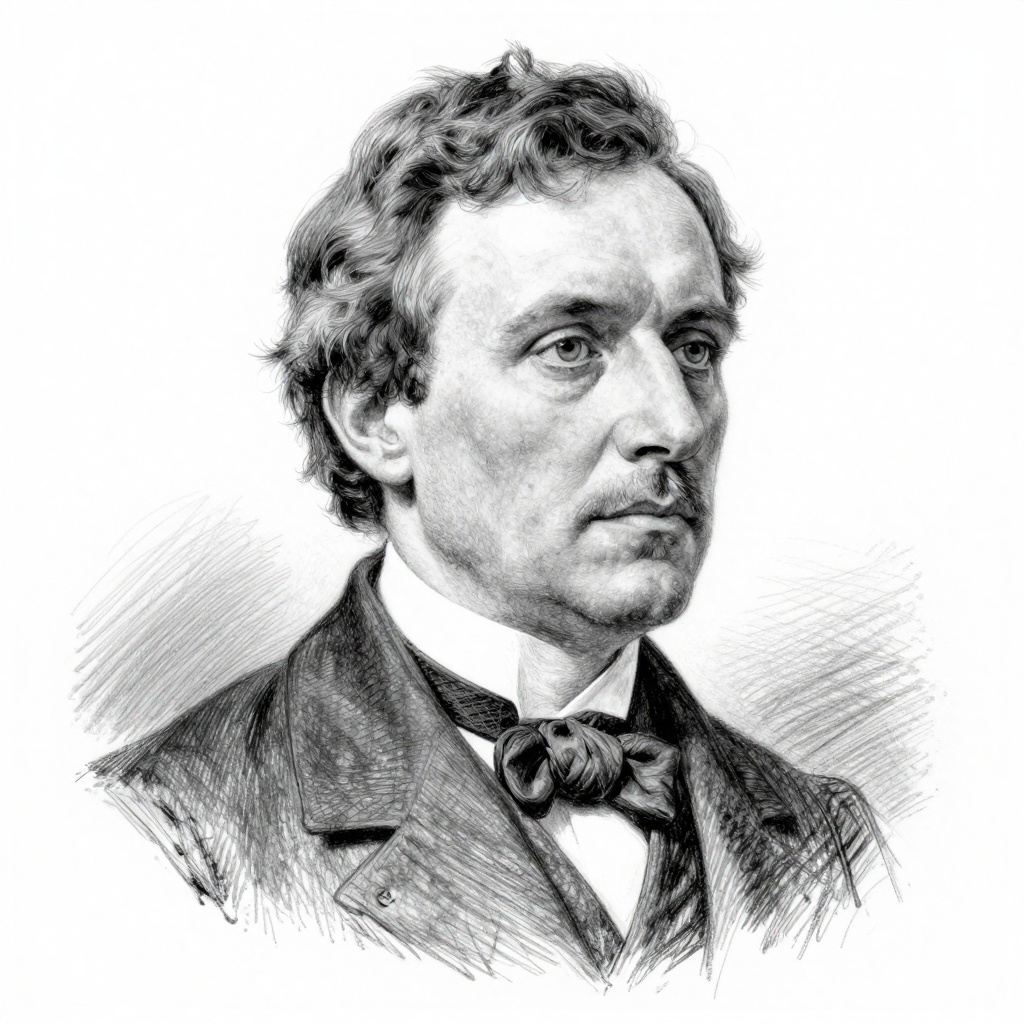
Comments