Quote · Added 15 February 2026
A day of worry is more exhausting than a week of work.
Filed underworry·exhaustion·perspective
Quote · Added 15 February 2026
Filed underworry·exhaustion·perspective
Worry has this sneaky way of burning through your energy without producing anything tangible. A full week of actual work—meetings, projects, problem-solving—leaves you tired but satisfied. You can point to what you accomplished. Worry, though, is like running on a treadmill for eight hours. You're fully engaged, your mind is racing, your body is tense, but you haven't moved an inch. By evening you're completely depleted, yet nothing has changed about your situation.
The difference comes down to control and direction. Real work channels your effort toward something concrete, even if it's difficult. Your exhaustion means something. Worry, by contrast, is energy spent in circles—replaying scenarios that may never happen, imagining worst-case outcomes, trying to prevent the unpredictable. It's a form of labor that never clocks out and never produces results.
What's particularly modern about this is how we now carry worry with us constantly through our phones. We can be physically present but mentally somewhere else entirely, stewing over an email or an uncertain deadline. The invitation in Lubbock's observation isn't to ignore legitimate concerns, but to notice when you've shifted from problem-solving into pure anxiety spinning. Sometimes the most productive thing you can do is simply stop the mental treadmill and get back to actual work.
1834–1913·lived 79 years
John Lubbock (1834-1913) was an English banker, politician, and naturalist, best known for his influential work in entomology and archaeology. He served as a Member of Parliament and was a prominent supporter of the Liberal Party. Lubbock is also recognized for his contributions to the understanding of prehistoric cultures and for popularizing scientific concepts through his writings, including the book "Prehistoric Times."
Also by John Lubbock
What we see depends mainly on what we look for.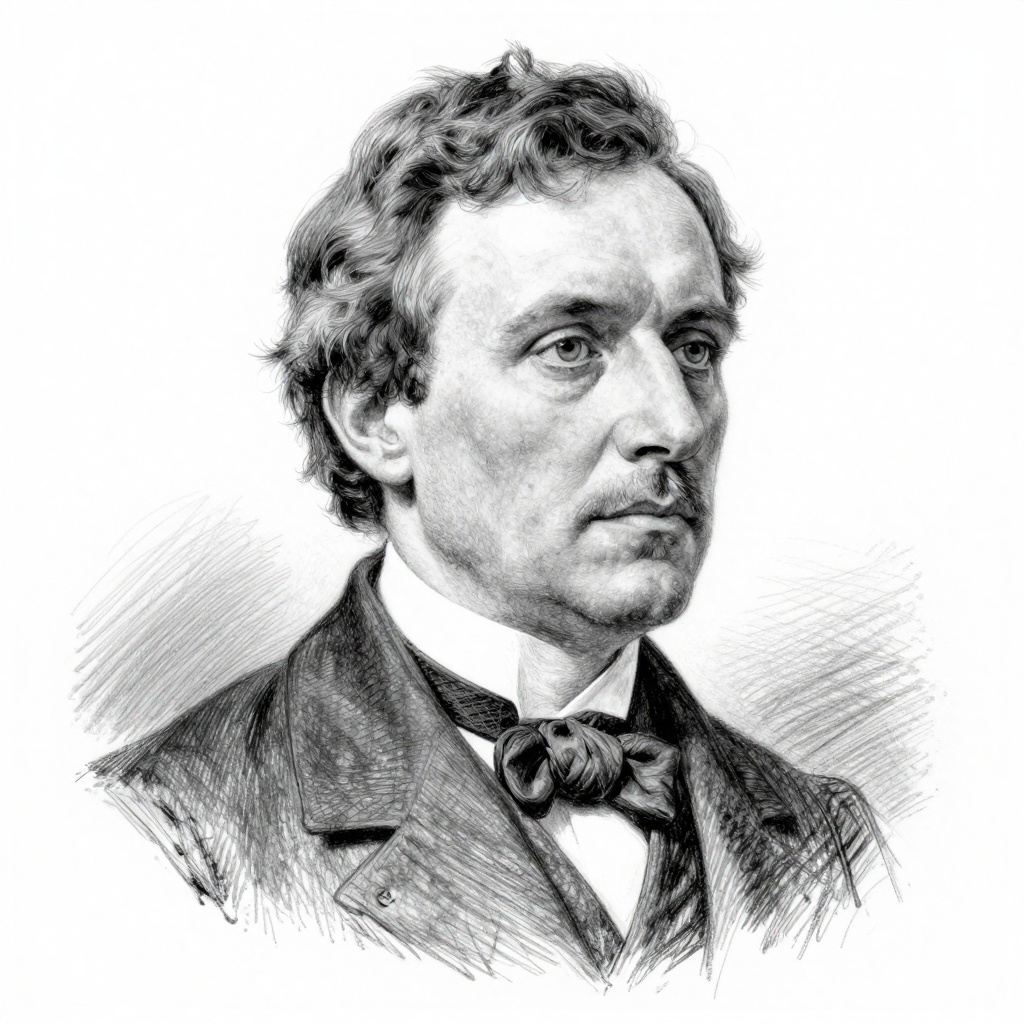
Comments