Quote · Added 14 February 2026
Peace is the first thing the angels sang.
John KebleThe Christian Year, Christmas Day, 1827
Filed underpeace·harmony·spirituality
Quote · Added 14 February 2026
Filed underpeace·harmony·spirituality
We tend to think of peace as the absence of conflict—the quiet after the storm, the moment when tension finally drains away. But Keble's image suggests something different: peace isn't what comes last, after everything else settles. It's foundational. It's what should be celebrated first, what matters most from the beginning.
This reframes how we experience everyday life. We're usually running toward peace—grinding through a difficult project so we can relax, enduring a tense conversation to reach understanding, pushing through the week for a peaceful weekend. But what if we worked backward? What if we started by protecting and cultivating peace in small moments, then built everything else around it? A calm morning before the chaos starts. A decision to pause before reacting. Space held for listening before speaking.
The slightly strange part: we often treat peace like a luxury we've earned, something we deserve after we've "done enough." But Keble suggests it's actually primary—the thing worth protecting not because we've finished our work, but because without it, nothing else makes sense. Peace isn't the reward at the finish line. It's the ground we should be standing on the whole time.
1792–1866·lived 73 years
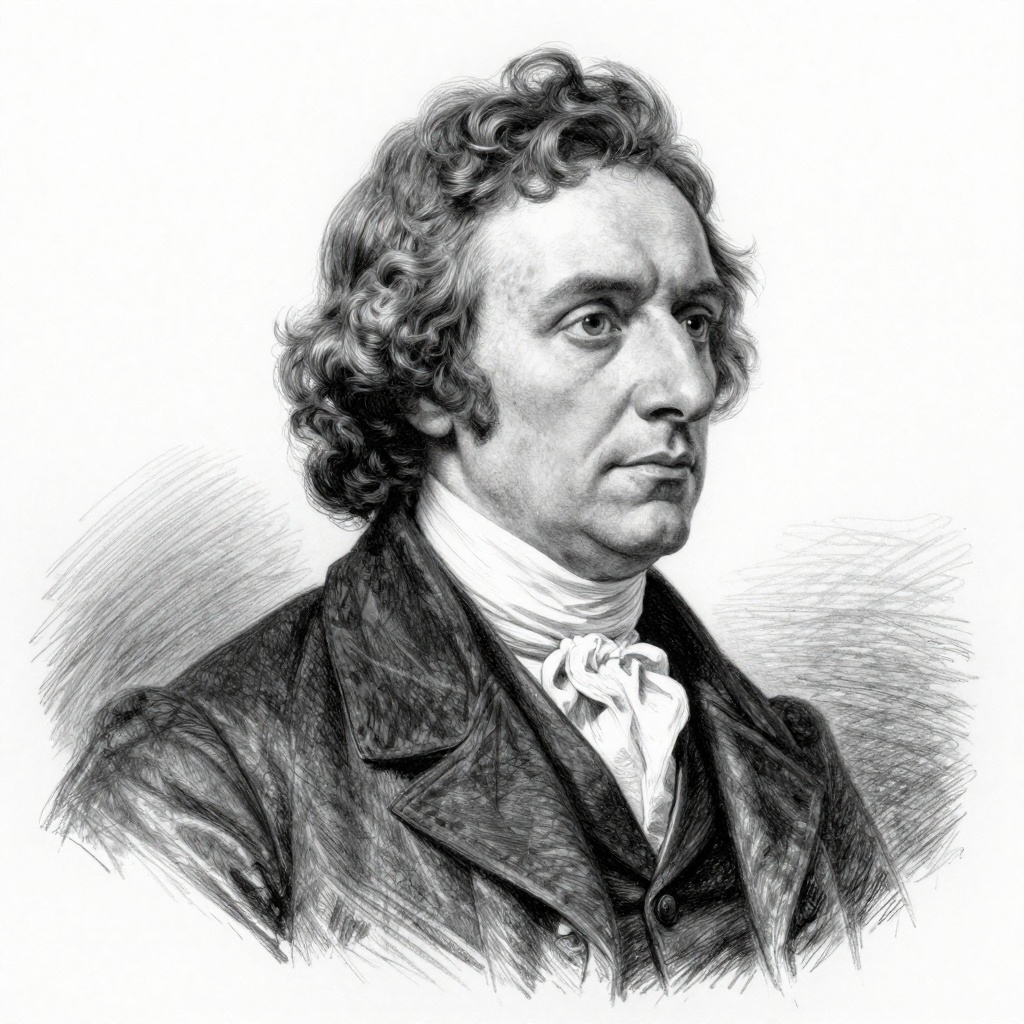
John Keble was an English clergyman and poet, born on April 25, 1792, in Fairford, Gloucestershire. He is best known as one of the leaders of the Oxford Movement, which sought to revive the Catholic heritage of the Church of England. Keble's most notable work is his collection of hymns, "The Christian Year," published in 1827, which has had a lasting influence on Anglican worship.
Comments