Quote · Added 28 February 2026
A man would do nothing if he waited until he could do it so well that no one could find fault.
Filed underperfection·action·hesitation
Quote · Added 28 February 2026
Filed underperfection·action·hesitation
We've all felt the paralysis of perfectionism—the blank page, the unmade phone call, the project we keep "preparing" for instead of starting. There's something almost noble about waiting until we're ready, until we have all the right conditions. But that waiting has a cost: the thing never actually gets made, said, or done.
The truth Newman captures is that perfectionism isn't really about excellence. It's about fear wearing a fancy suit. When you insist on flawlessness before you begin, you're not protecting your work—you're protecting yourself from the vulnerability of being seen trying. And here's the uncomfortable part: some of the most meaningful things in life get built by people who started before they were ready. Parents, entrepreneurs, artists, friends who show up imperfectly but actually show up.
This doesn't mean embracing sloppiness. It means recognizing that the gap between "good enough to share" and "perfect" often contains most of the actual living. The feedback, the iteration, the learning—that only happens once something exists in the world. Waiting for certainty before you act isn't caution. It's just another way of disappearing.
1801–1890·lived 89 years
John Henry Newman (1801–1890) was an English theologian, poet, and cardinal of the Roman Catholic Church. He is known for his influential writings on religious and philosophical topics, as well as for his role in the Oxford Movement which aimed to bring the Church of England closer to its Catholic roots. Newman was eventually canonized as a saint by the Catholic Church in 2019.
Also by John Henry Newman
Growth is the only evidence of life.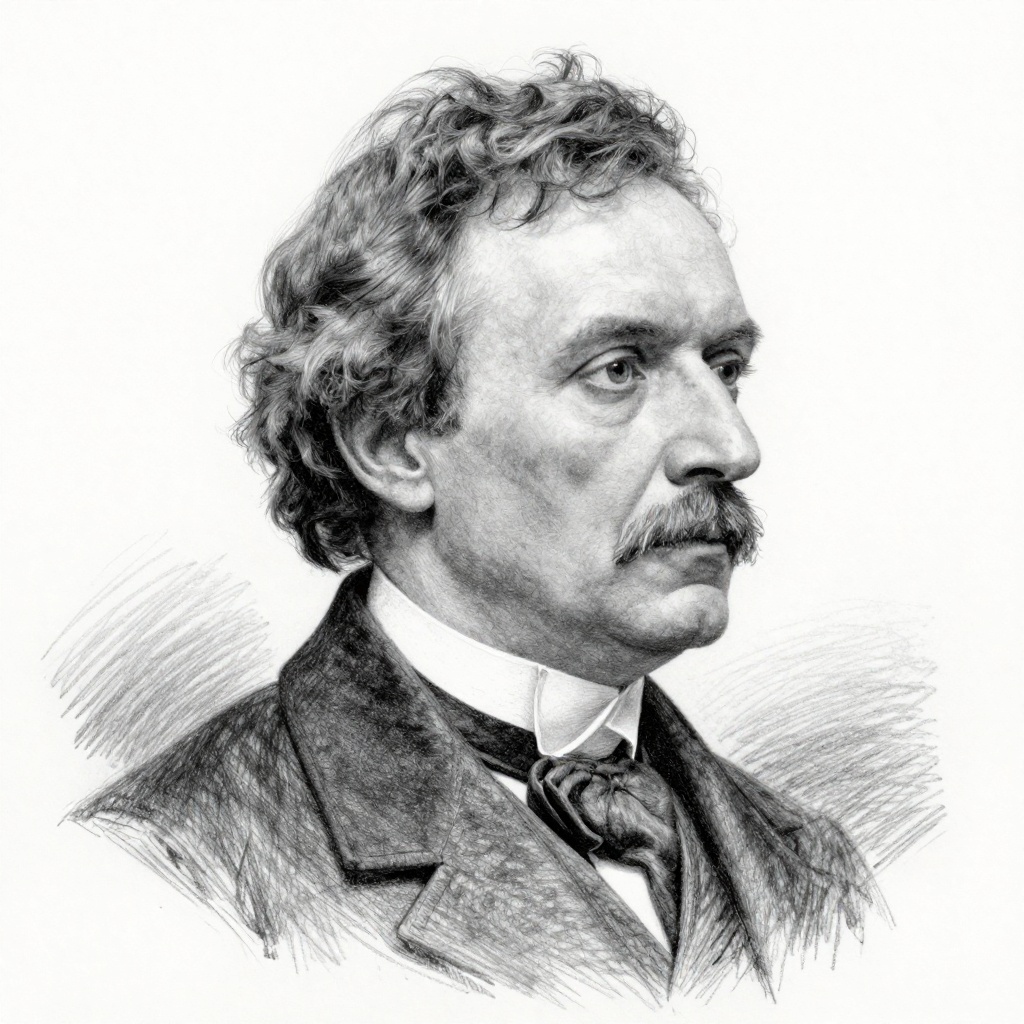
Comments