Quote · Added 14 February 2026
I find money some way or other goes very fast. But I think I can reflect it has been spent with satisfaction and to my own honour.
Filed undermoney·satisfaction·honour
Quote · Added 14 February 2026
Filed undermoney·satisfaction·honour
There's something almost relieved in this observation—like Hancock is catching himself in the act of spending freely and deciding to make peace with it. Most of us know that feeling: money vanishes faster than we expect, and our first instinct is regret. But he reframes it entirely. Instead of shame, he asks a harder question: was it worth it? Did I spend it on things that mattered?
This matters now more than ever, when spending has become invisible—swiped away on a phone, autopay eating monthly fees we forget about. We feel the emptiness of money disappearing without feeling the weight of choice. Hancock's move is to reclaim intentionality. He's not saying waste money freely. He's saying that if you're going to spend (and you will), at least spend it on something you can look back on with genuine satisfaction, not just regret or shame.
The sneaky part is how personal his standard is. He doesn't measure by what's impressive to others, but by his own honor. That's the part most of us skip. We're too busy comparing our spending to everyone else's to notice whether we actually respect our own choices.
1737–1793·lived 56 years
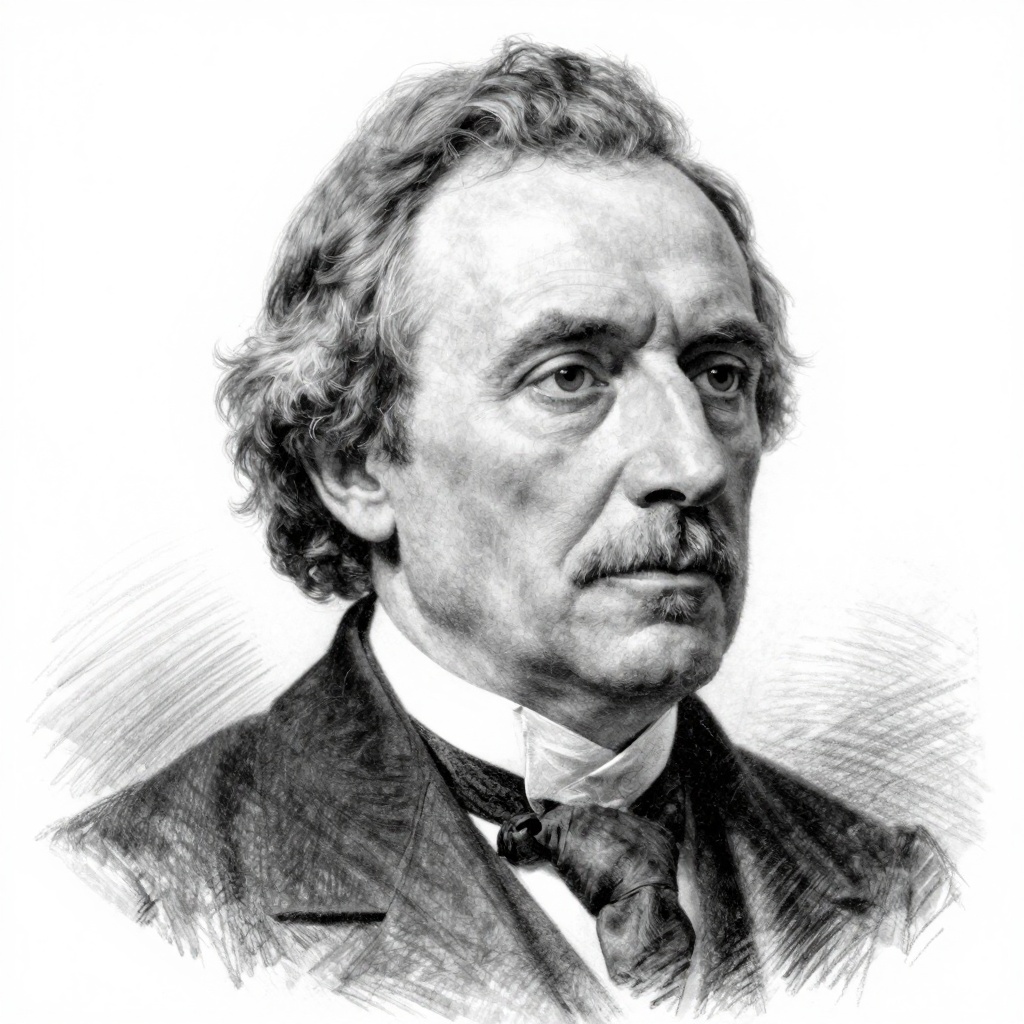
John Hancock was an American merchant, statesman, and prominent patriot during the American Revolution. He served as the President of the Second Continental Congress and is best known for his bold signature on the Declaration of Independence, which has become a symbol of American freedom and independence. Hancock also played a significant role in financing the revolutionary cause and was the first governor of the Commonwealth of Massachusetts.
Comments