Quote · Added 13 January 2024
Death is an ascent to a better library.
Filed underdeath·knowledge·transcendence
Quote · Added 13 January 2024
Filed underdeath·knowledge·transcendence
There's something quietly rebellious about Donne's image—death as an upgrade, not a closing down. For most of us, the idea of death triggers dread or sadness, but he's suggesting it might actually be a relief, a chance to finally access what we've been locked out of. The "better library" isn't morbid; it's almost envious. It implies that what we know here, in this life, is incomplete—good books, sure, but not the complete collection.
This matters now because we live in an age of information overload, yet persistent curiosity. We're drowning in data but still feel like we're missing something essential. Donne reminds us that the hunger to understand doesn't die with us; maybe it's the whole point. He's not saying "stop reading, life is pointless"—he's saying the opposite. Read, learn, question. That restless feeling that there's always more to know? That's not a bug. It's the part of us that survives, the part that matters.
The non-obvious twist is that Donne turns death from a stopping point into a continuation. He's not comforting us by saying we'll rest; he's suggesting we'll finally think.
1572–1631·lived 59 years
John Donne was an English poet, cleric, and lawyer who lived from 1572 to 1631. He is known for his metaphysical poetry, characterized by its vivid and unconventional style, which explores themes of love, religion, and mortality. Donne's works have had a lasting influence on English literature and he is considered one of the greatest poets of the 17th century.
Also by John Donne
And plenty makes us poor.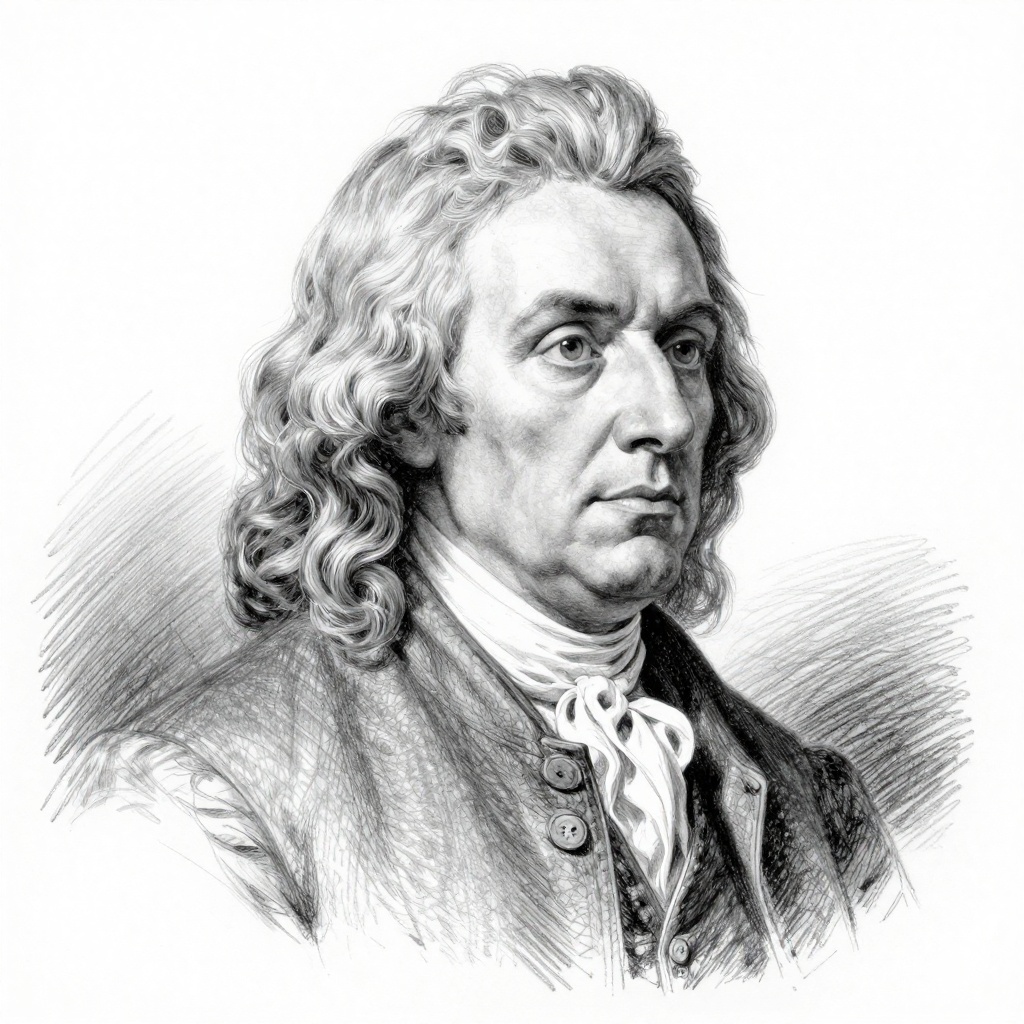
Comments