Quote · Added 10 February 2026
Leap, and the net will appear.
John BurroughsWhat Should I Read Next?
No ratings yet
Quote · Added 10 February 2026
There's something almost reckless about this advice, and that's exactly why it lands. Most of us are trained to see the opposite: plan first, then act. We want the net visible, inspected, and guaranteed before we jump. But that approach has a hidden cost. It keeps us endlessly preparing, gathering more information, waiting for perfect certainty that never arrives. Real opportunities, by contrast, often demand a different kind of courage—the willingness to commit before you can see the landing.
What makes this stick in modern life is how often the net appears precisely because you've already leaped. When you finally apply for the job, mentors materialize. When you start the project, collaborators show up. When you have skin in the game, your brain actually engages differently—problems become solvable instead of paralyzing. It's not magical thinking; it's momentum. You can't course-correct while standing still.
The twist is that this doesn't mean being reckless. It means recognizing the difference between thoughtful risk and analysis paralysis. Some nets exist but you can't see them from the cliff edge. Sometimes the only way forward is to trust that your resourcefulness, combined with genuine effort, will create the safety you need—not before you jump, but as you fall.
1837–1921·lived 83 years
John Burroughs was an American naturalist and essayist known for his writings on nature, conservation, and the transcendentalist movement. He was a prominent figure in the early conservation movement in the United States and his works, including "Wake-Robin" and "The Art of Seeing Things," continue to inspire readers to connect with the natural world.
Also by John Burroughs
Nothing relieves and ventilates the mind like a resolution.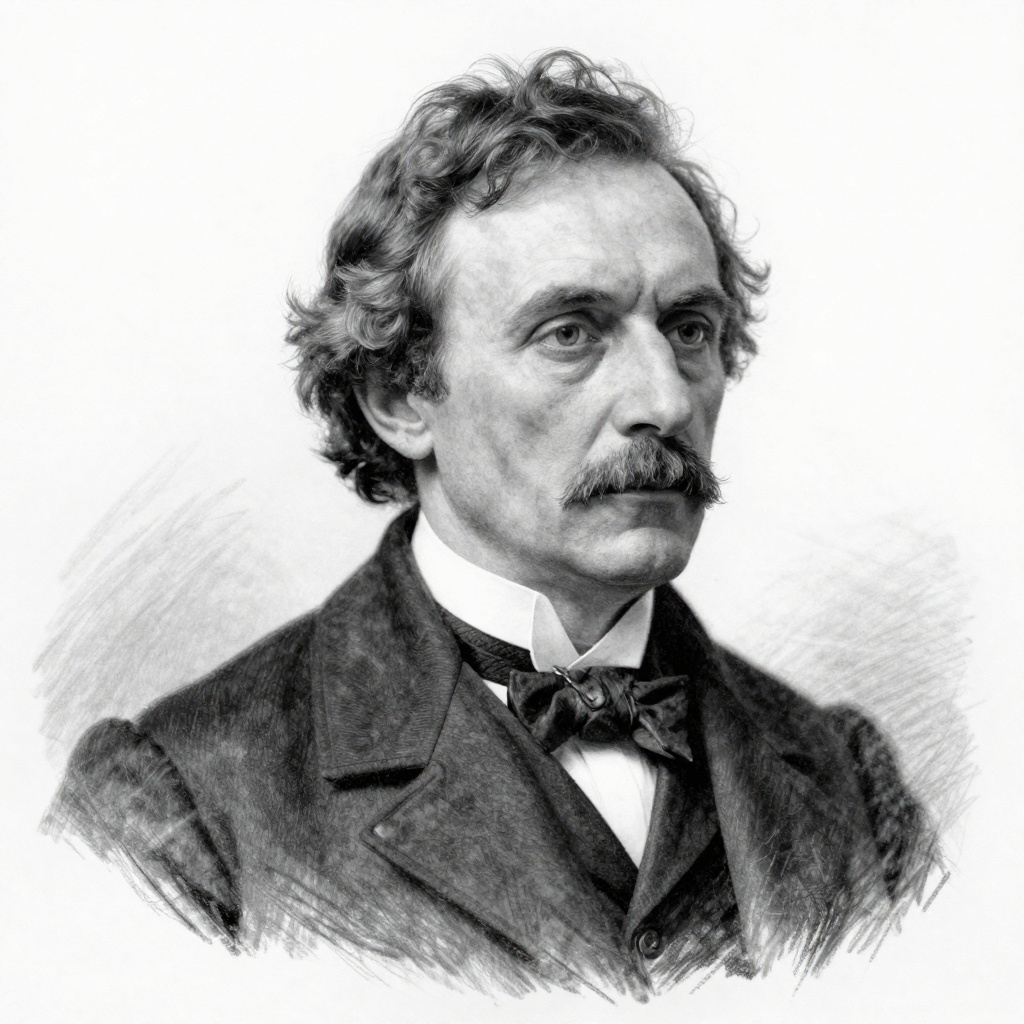
Comments