Quote · Added 27 February 2026
I was obliged to be industrious; whoever is equally industrious will succeed equally well.
Filed underindustrious·success·obligation
Quote · Added 27 February 2026
Filed underindustrious·success·obligation
There's something almost defiant in Bach's statement—he's not claiming he was born special or that genius struck like lightning. He's saying he worked. A lot. And he seems genuinely confident that if you put in that same level of effort, you'll get comparable results. It's the opposite of the mystique we often wrap around great artists.
The tricky part is that Bach lived in a world with fewer distractions and different guardrails. He had a job, a structure, deadlines from his employers and the church. No internet, no decision paralysis about what to work on. So when he says his success came from industry, he's describing a kind of focused, relentless practice that's harder to sustain now when we're constantly pulled in different directions.
But that's actually what makes his insight more valuable, not less. He's identifying something real—that excellence and accumulation go hand in hand. You don't need permission or special talent so much as you need to show up repeatedly, often when it doesn't feel inspired. The catch is that most of us know this already. We just struggle to believe it's enough, or to actually do it.
1685–1750·lived 65 years
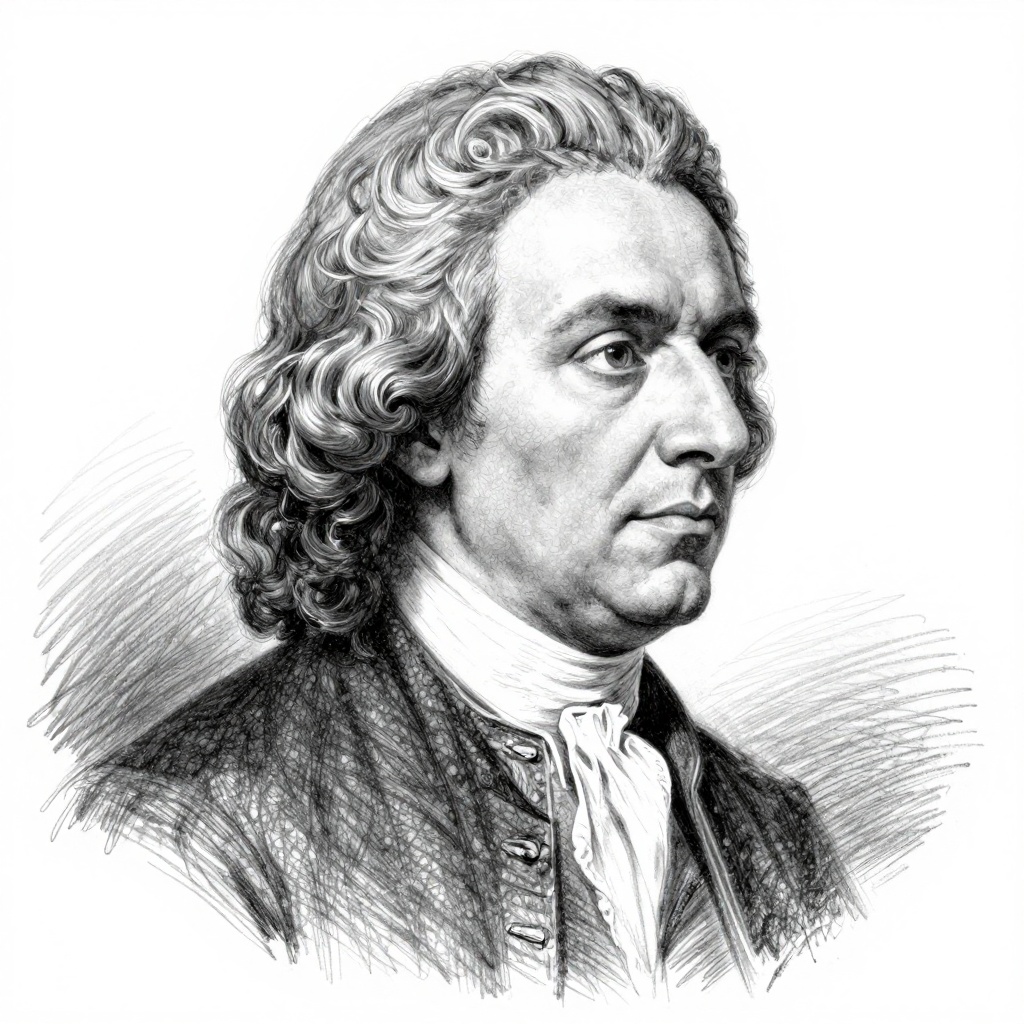
Johann Sebastian Bach was a German composer and musician of the Baroque period, born on March 31, 1685, and he died on July 28, 1750. He is renowned for his instrumental compositions, choral works, and organ music, with masterpieces such as "The Well-Tempered Clavier," "Mass in B minor," and numerous cantatas. Bach's innovative approach to harmony and form has had a lasting influence on Western music.
Comments