Quote · Added 10 February 2026
Reading
AI generatedWhen purpose makes fear irrelevant
There's something almost naive about this statement—and that's exactly what makes it powerful. Joan of Arc wasn't claiming fearlessness in the way action heroes do, through invincibility or detachment. She was saying something stranger: that fear becomes irrelevant when you're aligned with what you're meant to do. It's the difference between bravery (gritting your teeth through terror) and something deeper—a kind of certainty that silences the noise.
We feel echoes of this in our own lives, though rarely in such dramatic circumstances. The person who finally quits the safe job to start their thing, the parent who speaks up for their kid despite social pressure, the artist who ships their work knowing it might fail—they're not necessarily fearless. They've just reached a point where not doing it feels worse than doing it. The fear doesn't vanish; it just loses its veto power. What Joan understood is that conviction rewires your relationship to risk. When you stop asking "Am I allowed?" and start operating from "This is what I'm here to do," the stakes shift entirely. The question stops being whether you're scared and becomes whether you can live with yourself if you don't try.
The author
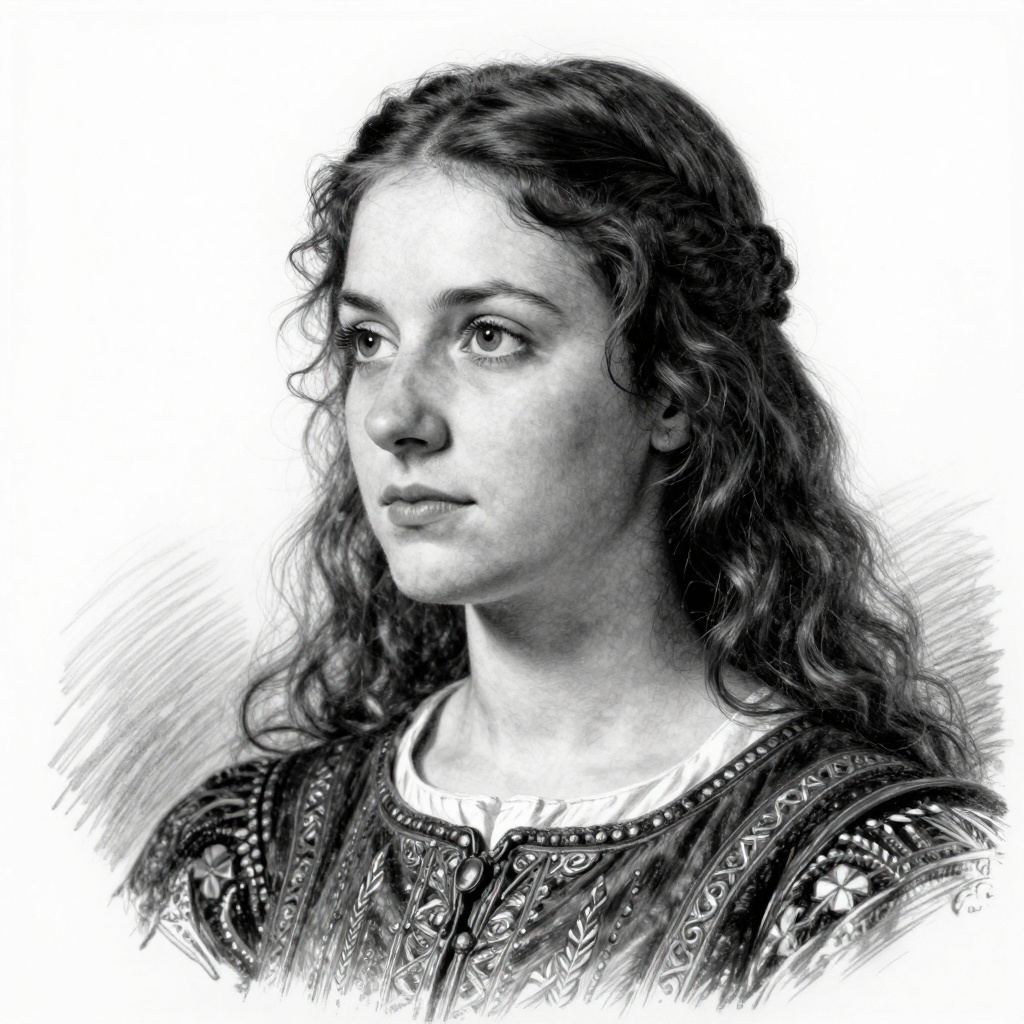
Joan of Arc
1412–1431·lived 19 years
Joan of Arc was a renowned French military leader and heroine of the Hundred Years' War. Born in the early 15th century, she is known for claiming to have received divine guidance to support Charles VII in his bid to regain the French throne, ultimately playing a significant role in the conflict and inspiring her troops to victory.
Comments