Quote · Added 15 February 2026
The age we live in is a busy age; in which knowledge is rapidly advancing towards perfection.
Jeremy BenthamThe Works of Jeremy Bentham, Vol. 1, 1843
No ratings yet
Quote · Added 15 February 2026
We're caught in a peculiar trap that Bentham spotted over two centuries ago: we live in an era of relentless forward motion, where staying current feels like a full-time job. The knowledge he marveled at—accessible through libraries and institutions—now floods our phones constantly. We're drowning in information that's supposed to make us smarter, yet many of us feel simultaneously more informed and more overwhelmed.
Here's the twist nobody mentions: rapid advancement doesn't actually make decisions easier. If anything, it makes them harder. We have more nutritional science than ever, yet people are more confused about what to eat. We have endless productivity systems, yet busyness has become an identity rather than a state. Bentham assumed that advancing knowledge would propel us forward smoothly, but what he didn't account for was the psychological weight of knowing there's always more to learn, more to optimize, more to understand.
The real question isn't whether knowledge is advancing—it obviously is. It's whether we can find peace in participating at our own pace, rather than demanding we master everything immediately.
1748–1832·lived 84 years
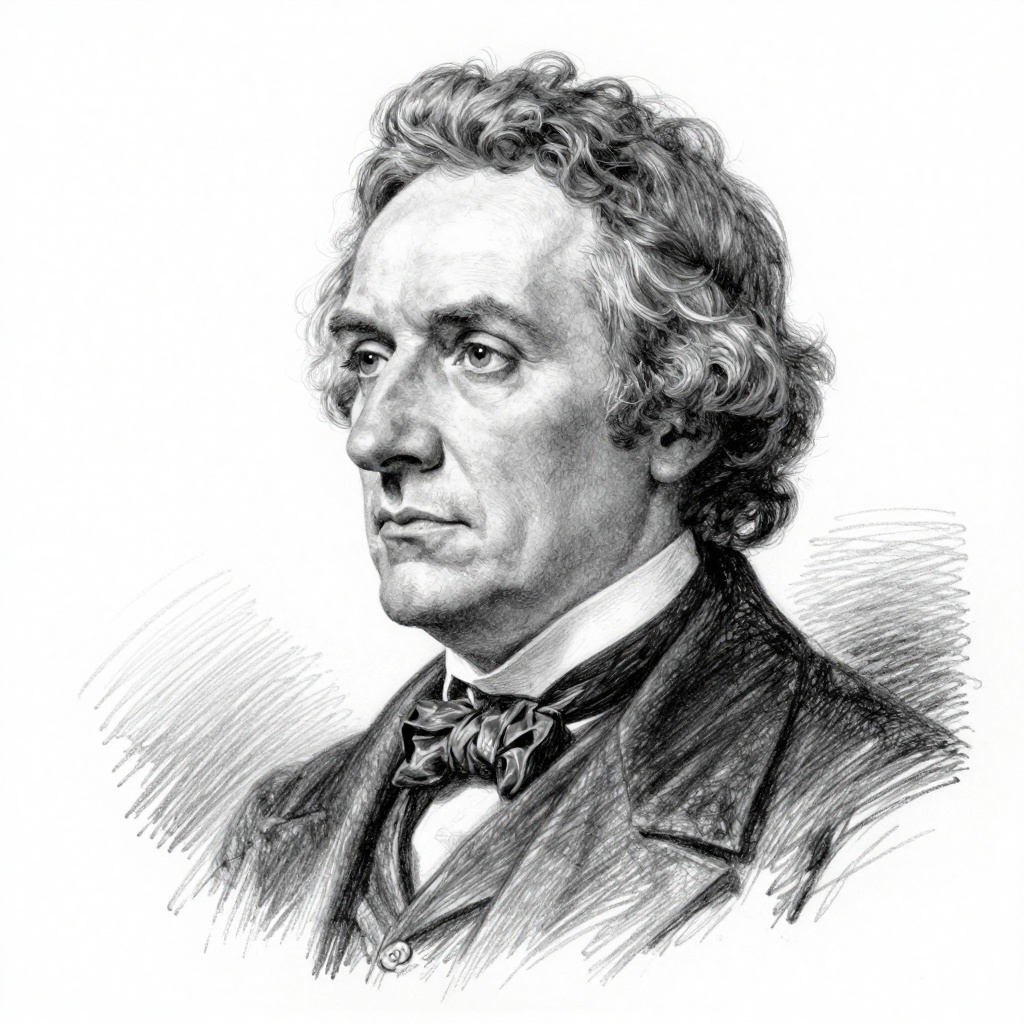
Jeremy Bentham was an English philosopher, jurist, and social reformer best known for being the founder of modern utilitarianism. Born on February 15, 1748, he advocated for the principle of the greatest happiness, arguing that the moral value of actions is determined by their consequences. His ideas significantly influenced legal and political theory, and he was a prominent advocate for various social reforms, including animal rights and prison reform. Bentham died on June 6, 1832.
Comments