Quote · Added 14 February 2026
There are no secrets that time does not reveal.
Jean RacineBritannicus, IV, 4
No ratings yet
Filed undertime·truth·revelation
Quote · Added 14 February 2026
Filed undertime·truth·revelation
We live as though some things will stay hidden forever. We keep small lies, hidden resentments, carefully curated versions of ourselves online, assuming they'll remain in the shadows. But anyone who's lived long enough knows this doesn't actually work. The truth finds its way out—sometimes through a casual comment, sometimes through changed behavior, sometimes just through the simple fact that pretending takes exhausting energy that eventually runs out.
The uncomfortable part is that this applies to our own self-deception too. We can convince ourselves for a while that we don't have a problem, that we're fine with an unfair situation, that our small compromises don't matter. But time has a way of making things visible. The person we become, the patterns we develop, the toll it all takes—these write themselves into our lives eventually. A relationship that was supposed to be temporary becomes a permanent regret. A fear we ignored grows into something that shapes our choices.
This isn't meant as doom. There's actually something freeing about it. If nothing stays hidden anyway, we might as well be honest now—with others, and more importantly, with ourselves. Time will reveal the truth whether we cooperate with it or fight it. The only choice we really have is whether we face things on our terms or have them forced into the light later.
1639–1699·lived 59 years
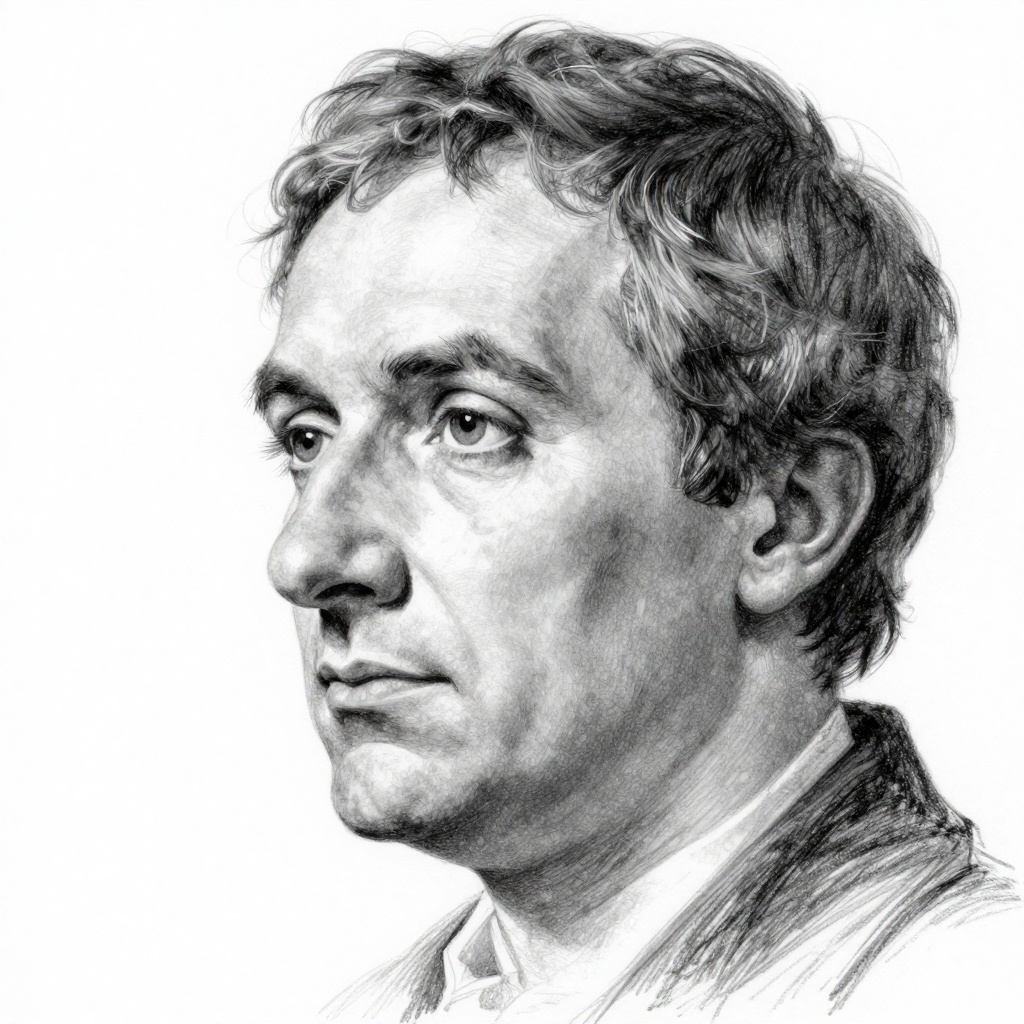
Jean Racine was a French dramatist born on December 22, 1639, and he is best known for his tragic plays written in the 17th century, particularly "Phèdre," "Andromaque," and "Britannicus." As a prominent figure in French classical literature, Racine's works are celebrated for their emotional depth, elegance, and mastery of the French language. He played a crucial role in the development of tragedy as a literary form in France and remains a key figure in the study of classical theatre.
Comments