Quote · Added 14 February 2026
Against her ankles as she trod The lucky buttercups did nod.
Jean IngelowPoems, 1863
No ratings yet
Filed underbuttercups·nature·grace
Quote · Added 14 February 2026
Filed underbuttercups·nature·grace
There's something quietly radical about noticing luck in the smallest things—a flower nodding as someone walks past. Most of us are trained to hunt for luck in the big moments: job offers, lottery tickets, chance encounters that change everything. But Ingelow points us toward a different kind of fortune that's happening constantly, right at our feet. The buttercups aren't performing miracles; they're just there, golden and bobbing, available to anyone paying attention.
This matters because it reframes what luck actually is. It's not rare or reserved for the fortunate few. It's the texture of an ordinary day when you're present enough to notice it—the way light hits a stranger's face, the perfect song coming on the radio, a conversation that lands exactly when you needed it. The "luck" isn't in the buttercup itself but in the collision between noticing and being alive in that moment.
What makes this especially relevant now is how much we miss by scrolling through bigger-picture anxieties. We're scanning for the transformative stroke of fortune while stepping over the actual gifts embedded in the day. Walking differently—with ankles alert to nodding flowers—is a small rebellion against that desperation. It suggests that some of the luckiest people aren't the ones fortune smiles on; they're simply the ones who look down once in a while.
1820–1897·lived 77 years
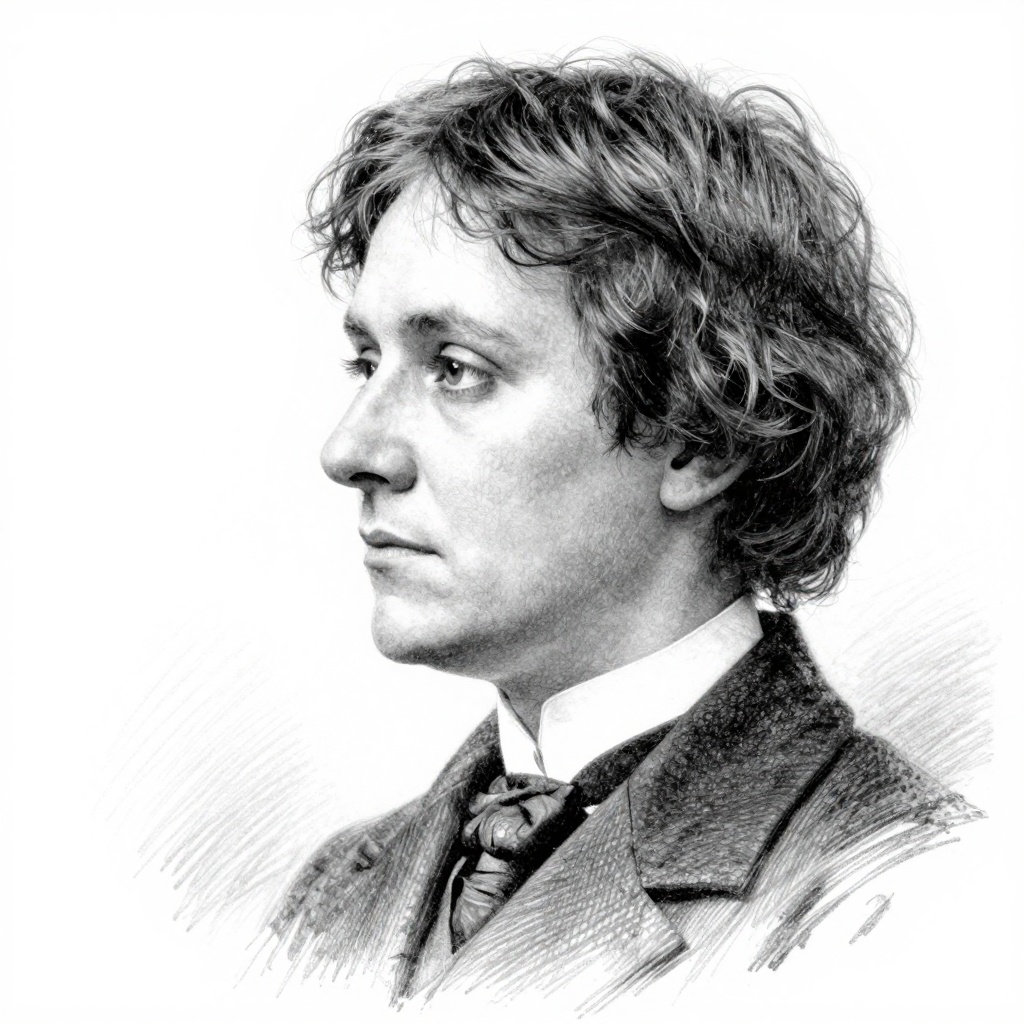
Jean Ingelow was an English poet and novelist born on March 17, 1820, in Boston, Lincolnshire. She is best known for her lyrical poetry and for her novels, particularly "Gladys the Reaper," which gained popularity in the 19th century. Ingelow's work often explored themes of love, nature, and spirituality, and she was a prominent figure in Victorian literature until her death on July 20, 1897.
Comments