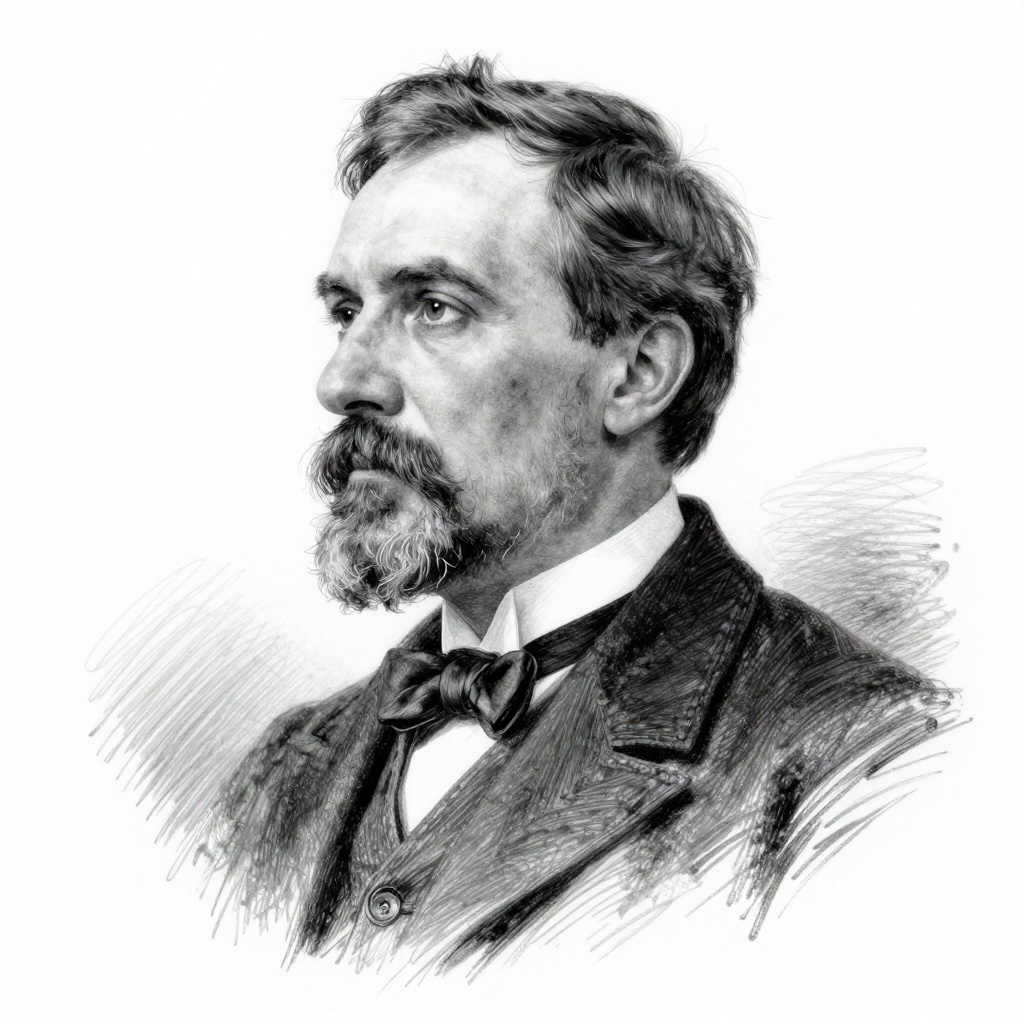
Without feeling abashed by my ignorance, I confess that I am absolutely unable to say. In the absence of an ap... — Jean Henri Fabre
Without feeling abashed by my ignorance, I confess that I am absolutely unable to say. In the absence of an appearance of learning, my answer has at least one merit, that of perfect sincerity.
Author: Jean Henri Fabre
Insight: There's something oddly liberating in watching someone say "I don't know" without turning it into a performance. Fabre wasn't pretending he had all the answers about the natural world he spent his life studying—he was just willing to admit the gaps. That takes more courage than it seems, especially when admitting ignorance might cost you authority or respect. We live in an age where people scramble to fill silence with confident opinions, where not knowing feels like a personal failure. Social media rewards certainty; uncertainty gets scrolled past. But here's what's strange: the people we actually trust most tend to be the ones who'll say "I'm not sure" without flinching. They're the doctors who admit what the research doesn't yet show, the teachers who don't pretend to have every answer, the friends who won't fake understanding just to seem wise. Fabre's real point cuts deeper than just honesty about what you don't know. He's suggesting that sincerity itself has value independent of whether you sound educated. In a world drowning in half-baked expertise, straight-up uncertainty might be the rarest and most useful thing someone can offer you.