Quote · Added 17 September 2023
A person often meets his destiny on the road he took to avoid it.
Jean de La FontaineFables, Book 1, 1668
No ratings yet
Quote · Added 17 September 2023
We all know the feeling of taking what seems like a detour. You avoid the difficult conversation, so you schedule a less threatening meeting instead—and end up having the hard conversation anyway, just messier. You quit the job to escape a demanding boss, then discover the same dynamics waiting at the new place. Life has a way of circling back.
What makes this observation so unsettling is that it suggests our attempts to dodge our real challenges don't actually save us from them—they just delay and complicate things. The destiny La Fontaine describes isn't necessarily something bad; it's more like the core issue we're genuinely meant to face. Running from it doesn't erase it; it just means we'll meet it tired, defensive, and often in a worse position to handle it well.
The useful twist here is that recognizing this pattern can actually be freeing. Instead of seeing life as conspiring against you, you might ask: what am I really avoiding right now? Sometimes that question itself is the turn toward a better path—not because you suddenly want to suffer, but because you stop wasting energy on escape routes that don't actually lead anywhere.
1621–1695·lived 73 years
Jean de La Fontaine was a 17th-century French poet known for his collection of fables. His works, including "Fables" or "La Fontaine's Fables," are renowned for their moral lessons and wit, making him one of the most famous fabulists in French literature.
Also by Jean de La Fontaine
Patience and time do more than strength or passion.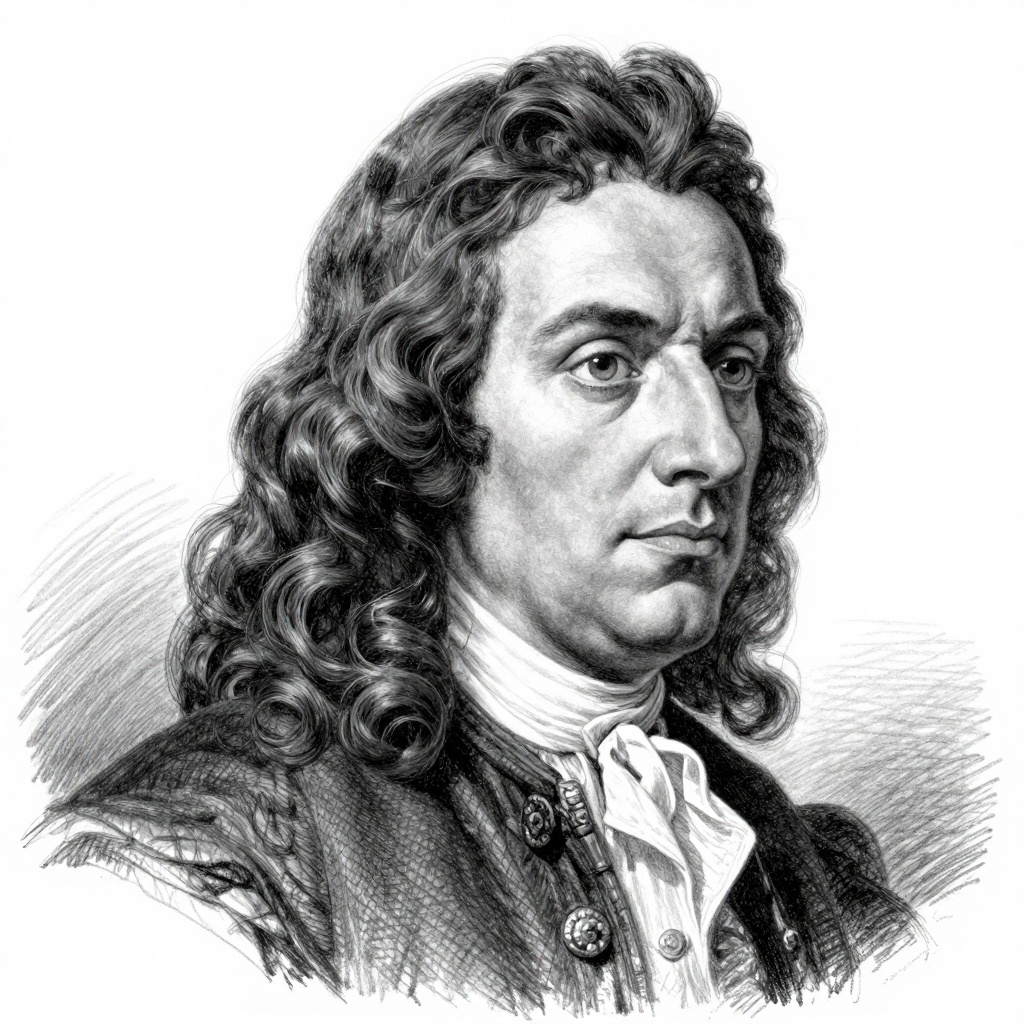
Comments