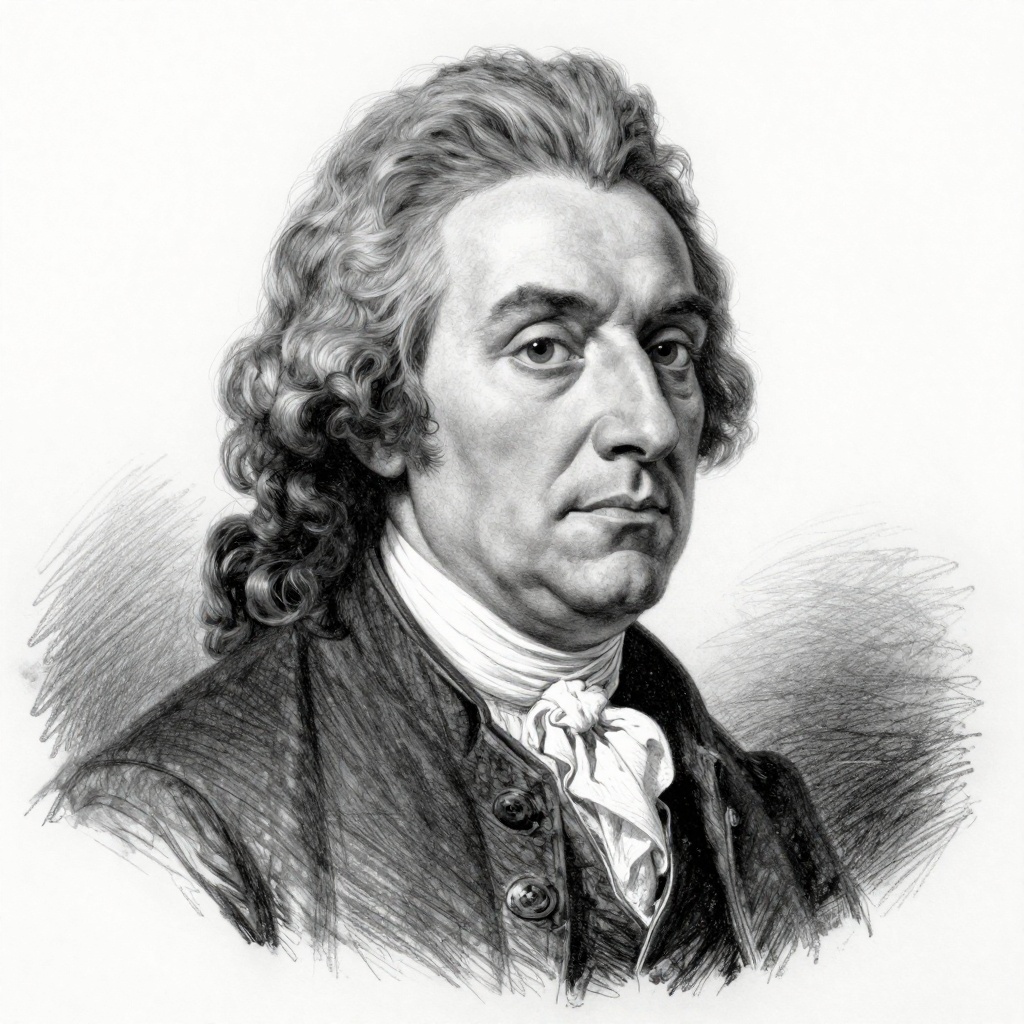
There is no road too long to the man who advances deliberately and without undue haste; there are no honors to... — Jean de la Bruyere

There is no road too long to the man who advances deliberately and without undue haste; there are no honors too distant to the man who prepares himself for them with patience.

Author: Jean de la Bruyere

Insight: We live in an age obsessed with overnight success stories, yet most of us intuitively know they're rare. This quote captures something we feel but rarely act on: that steady, unhurried progress actually gets you further than desperate sprinting. The person who shows up consistently, without burning out, eventually covers distances that seem impossible to everyone rushing around them. The real insight here isn't about patience as passivity—it's about patience as a strategy. When you move deliberately, you can course-correct. You notice what's working. You build real skills instead of just clocking hours. Meanwhile, the person in a frenzy makes mistakes, burns bridges, and exhausts themselves into poor decisions. There's something quietly powerful about deciding you're playing the long game. What makes this resonate today is how much anxiety we carry about being left behind. But this reframes the whole thing: advancement isn't about speed relative to others. It's about whether you're actually moving forward at a pace you can sustain. The person who walks steadily for years reaches places the sprinter abandoned months in. That's not motivational poster talk—that's just how compound effort works.

Patience is the real competitive advantage

There is no road too long to the man who advances deliberately and without undue haste; there are no honors too distant to the man who prepares himself for them with patience.

We live in an age obsessed with overnight success stories, yet most of us intuitively know they're rare. This quote captures something we feel but rarely act on: that steady, unhurried progress actually gets you further than desperate sprinting. The person who shows up consistently, without burning out, eventually covers distances that seem impossible to everyone rushing around them.

The real insight here isn't about patience as passivity—it's about patience as a strategy. When you move deliberately, you can course-correct. You notice what's working. You build real skills instead of just clocking hours. Meanwhile, the person in a frenzy makes mistakes, burns bridges, and exhausts themselves into poor decisions. There's something quietly powerful about deciding you're playing the long game.

What makes this resonate today is how much anxiety we carry about being left behind. But this reframes the whole thing: advancement isn't about speed relative to others. It's about whether you're actually moving forward at a pace you can sustain. The person who walks steadily for years reaches places the sprinter abandoned months in. That's not motivational poster talk—that's just how compound effort works.

AI generated

Comments

Sign in to leave a comment or reply to one.

Sign in

Jean de la Bruyere

Jean de la Bruyère was a French philosopher and moralist born in 1645 and died in 1696. He is best known for his work "Les Caractères," a series of observations on human nature and society that reflect his keen insight into the social dynamics of his time. His writings contributed significantly to French literature and the genre of character study.

Graph

Related