Quote · Added 14 February 2026
Creativity is not the finding of a thing, but the making something out of it after it is found.
No ratings yet
Filed undercreativity·making·transformation
Quote · Added 14 February 2026
Filed undercreativity·making·transformation
Most of us wait for inspiration to strike—that magical moment when a great idea arrives fully formed. But this quote suggests something quieter and more achievable: the real work of creativity isn't spotting the raw material, it's what you do once you have it. A photographer finds an ordinary street corner, a writer notices how her friend always changes the subject when money comes up, a cook sees last night's leftovers. The creativity isn't in the discovery. It's in transforming it into something that didn't exist before.
This reframes what it means to be creative, and it's oddly liberating. You don't need to be the person who discovers something nobody's ever noticed—you need to be someone who takes what's visible to everyone and builds something meaningful from it. That's why two people can visit the same city and come back with completely different stories. That's why your friend's doodles look nothing like yours even though you're both drawing the same subject.
The harder part, then, isn't finding material. It's actually sitting down and wrestling with it, making choices, trying different angles, and yes, sometimes failing. Creativity is patient work with available things, not waiting for permission from the universe.
1819–1891·lived 72 years
James Russell Lowell was an American Romantic poet, critic, editor, and diplomat born on February 22, 1819. He is best known for his poetry, including "The Biglow Papers," which combined humor and social commentary, and for his role in the literary movement of the 19th century. Additionally, Lowell served as a United States ambassador to Spain and later to England, influencing both literature and diplomacy in his time.
Also by James Russell Lowell
One thorn of experience is worth a whole wilderness of warning.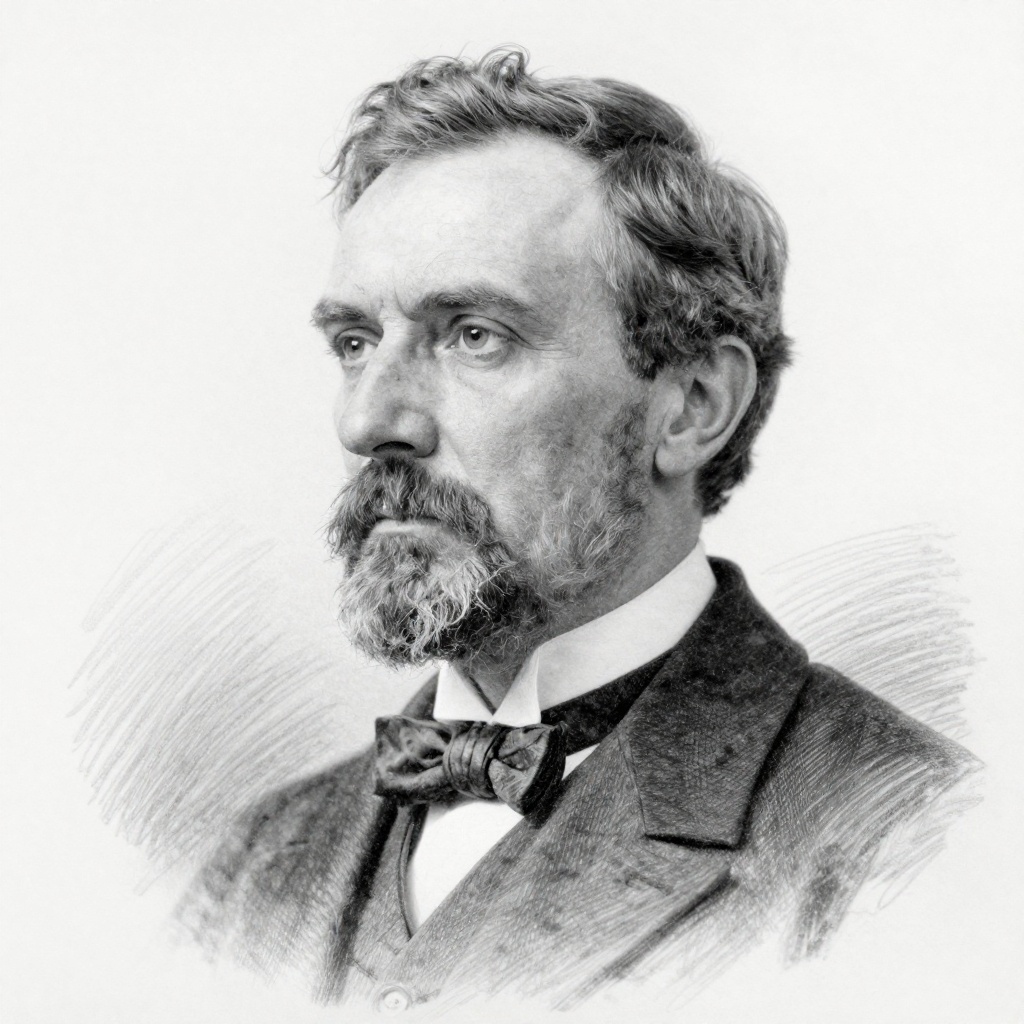
Comments