Quote · Added 9 February 2026
Good thoughts bear good fruit, bad thoughts bear bad fruit.
James AllenAs a Man Thinketh, 1903
No ratings yet
Filed underthoughts·consequences·positivity
Quote · Added 9 February 2026
Filed underthoughts·consequences·positivity
There's something quietly radical about this idea: that the quality of your life grows directly from what you think about. It's not about positive thinking in the greeting-card sense. It's more like recognizing that your thoughts are seeds planted in soil, and soil produces what you plant in it. If you spend your mental energy rehearsing failure, imagining how people judge you, or replaying old slights, you're essentially watering those seeds daily. They bloom into real choices—hesitation, withdrawal, defensiveness—that shape what actually happens to you.
The tricky part is that we often treat our thoughts as passive. We let them land and stick without questioning whether they're worth keeping. But you wouldn't leave garbage in your kitchen and act surprised when it stinks. Why do we do that with our minds? The catch is that changing this takes noticing, repeatedly, what you're actually thinking about during ordinary moments. That's harder than it sounds because most thoughts feel inevitable, not chosen.
The real fruit isn't always obvious either. A thought about "I'm not good at this" doesn't immediately cause failure. Instead, it shapes your posture, your effort level, your willingness to try again. Over time, small mental habits compound into the person you become and the life you build. The quote matters because it puts responsibility where it actually belongs: not with circumstances, but with the mind that interprets and responds to them.
d. 1912
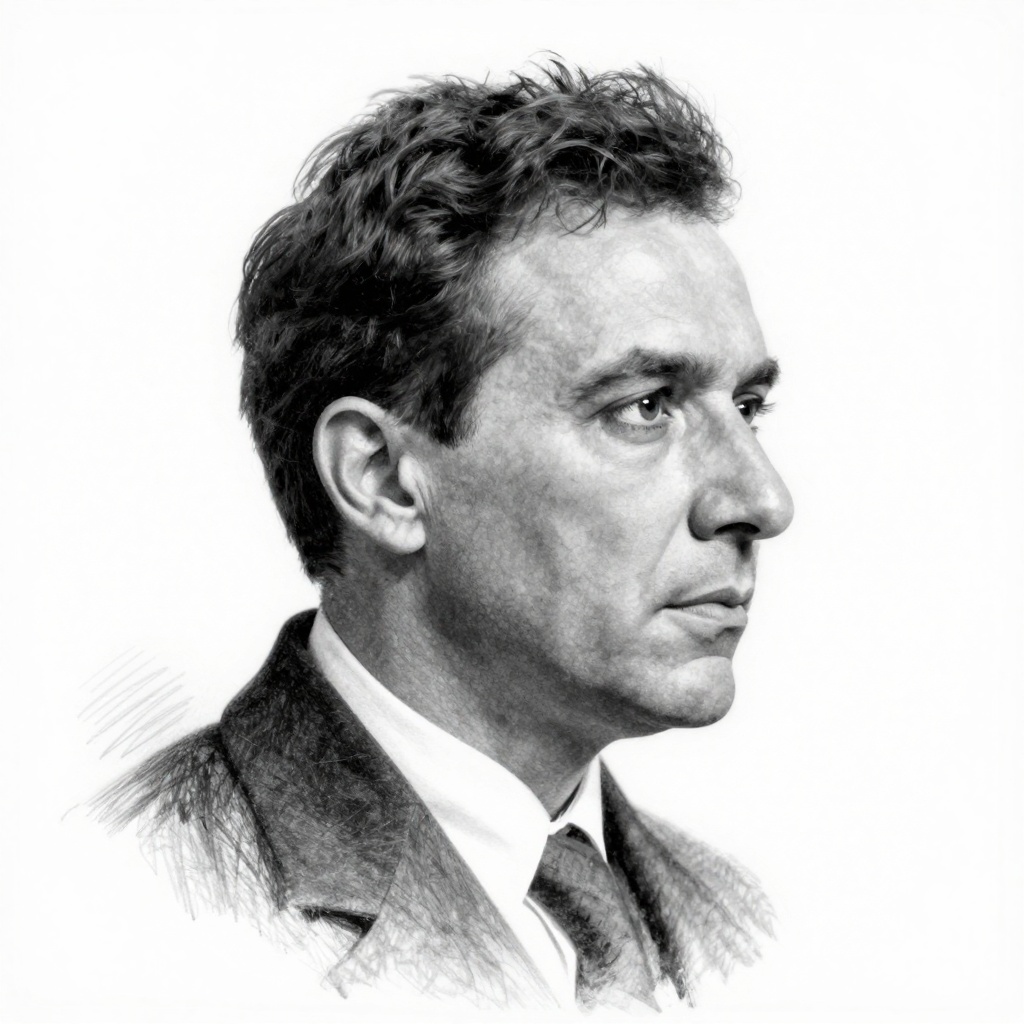
James Allen was a British philosophical writer and poet, best known for his inspirational writings and self-help books. His most famous work, "As a Man Thinketh," has been widely acclaimed for its teachings on the power of thought and the connection between our thoughts and our circumstances.
Comments