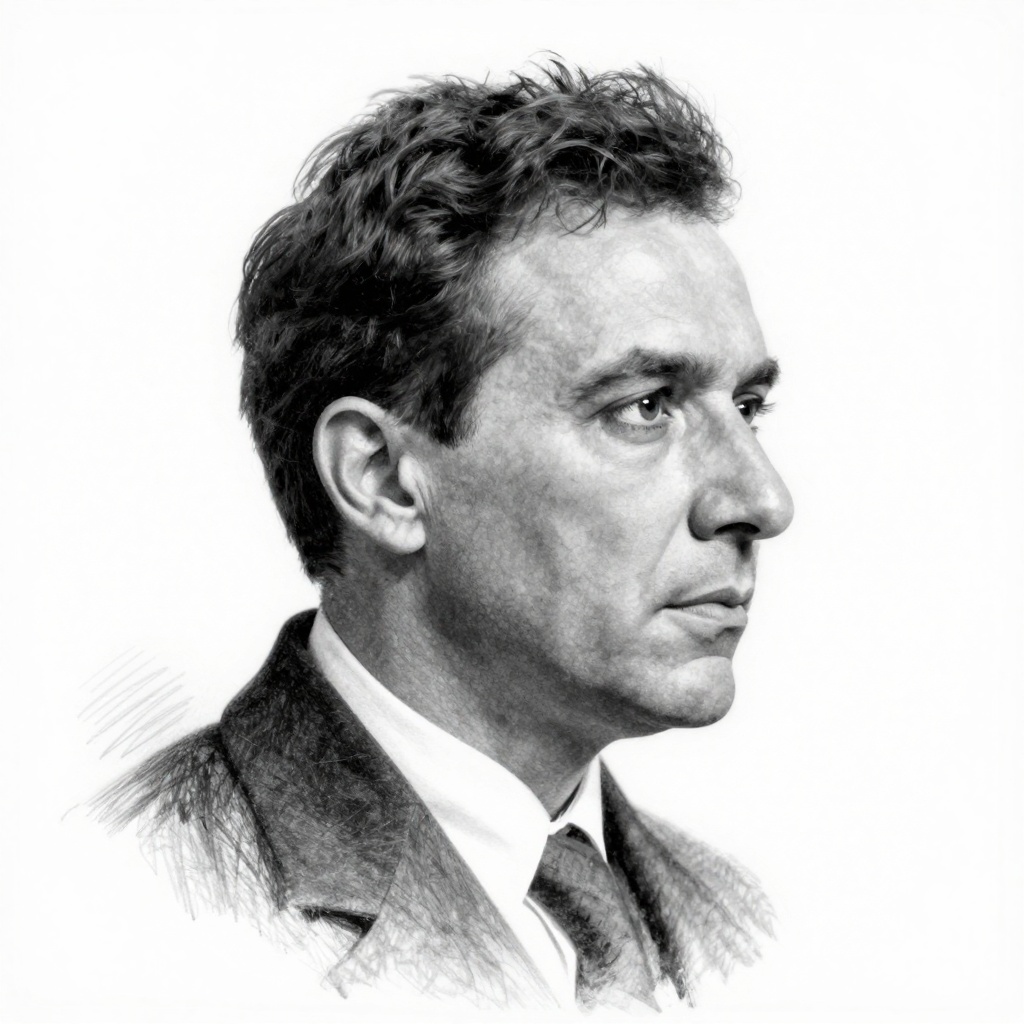
A particular train of thought persisted in, be it good or bad, cannot fail to produce its results on the chara... — James Allen

A particular train of thought persisted in, be it good or bad, cannot fail to produce its results on the character and circumstances. A man cannot directly choose his circumstances, but he can choose his thoughts, and so indirectly, yet surely, shape his circumstances.

Author: James Allen

Insight: We often feel trapped by our situations—stuck in a job we hate, a relationship that drains us, circumstances that seem fixed and unchangeable. But Allen points at something quieter and more powerful: the one thing we actually control is what we think about, and that seemingly small choice ripples outward into everything else. When you habitually think you're unlucky, you notice missed opportunities and interpret setbacks as confirmation. When you think you're capable, you spot possibilities and push through obstacles differently. The circumstances don't magically change overnight, but your actual behavior, energy, and choices do shift. The twist is that this isn't about positive thinking as pure wishful fantasy. It's about recognizing that your default thoughts are already shaping your life. They're already running in the background, already influencing what you try and what you avoid. So the real work is catching yourself in those repetitive mental grooves—the "I can't," the "people like me don't," the "it won't work anyway"—and noticing how they're quietly steering your actual decisions. You can't choose to suddenly be rich or famous, but you can choose to think like someone who attempts things, learns from failure, and keeps showing up. That's the leverage point that actually works.

Your thoughts quietly shape your choices

A particular train of thought persisted in, be it good or bad, cannot fail to produce its results on the character and circumstances. A man cannot directly choose his circumstances, but he can choose his thoughts, and so indirectly, yet surely, shape his circumstances.

We often feel trapped by our situations—stuck in a job we hate, a relationship that drains us, circumstances that seem fixed and unchangeable. But Allen points at something quieter and more powerful: the one thing we actually control is what we think about, and that seemingly small choice ripples outward into everything else. When you habitually think you're unlucky, you notice missed opportunities and interpret setbacks as confirmation. When you think you're capable, you spot possibilities and push through obstacles differently. The circumstances don't magically change overnight, but your actual behavior, energy, and choices do shift.

The twist is that this isn't about positive thinking as pure wishful fantasy. It's about recognizing that your default thoughts are already shaping your life. They're already running in the background, already influencing what you try and what you avoid. So the real work is catching yourself in those repetitive mental grooves—the "I can't," the "people like me don't," the "it won't work anyway"—and noticing how they're quietly steering your actual decisions. You can't choose to suddenly be rich or famous, but you can choose to think like someone who attempts things, learns from failure, and keeps showing up. That's the leverage point that actually works.

AI generated

Comments

Sign in to leave a comment or reply to one.

Sign in

James Allen

James Allen was a British philosophical writer and poet, best known for his inspirational writings and self-help books. His most famous work, "As a Man Thinketh," has been widely acclaimed for its teachings on the power of thought and the connection between our thoughts and our circumstances.

Graph

Related