Quote · Added 7 February 2026
A house without books is like a room without windows.
Filed underbooks·knowledge·enlightenment
Quote · Added 7 February 2026
Filed underbooks·knowledge·enlightenment
There's something almost claustrophobic about the idea of a room with no windows. You can survive in it, sure, but you're cut off from light, perspective, and the wider world pressing against the walls. Books do exactly that for a home—they crack open the space mentally, even when you're physically stuck in the same four rooms. Whether it's getting lost in someone else's life story or finally understanding why you've felt lonely, books let fresh air into places that feel stale.
What's interesting is that this doesn't really require a fancy library or pristine shelves. It's more about the principle: do the ideas and stories in your house invite you somewhere? A single dog-eared novel, a cookbook written like a memoir, even a self-help book that actually helped—these create tiny openings. The absence of books, though, can make a home feel suspiciously closed off, like the people living there aren't curious about anything beyond their immediate lives.
The catch is that windows work both ways. Books don't just let you look out; they let the world look in. That's slightly riskier than most forms of comfort, which might explain why some people genuinely prefer homes without them. But for those of us who need ventilation—mentally and emotionally—windows are non-negotiable.
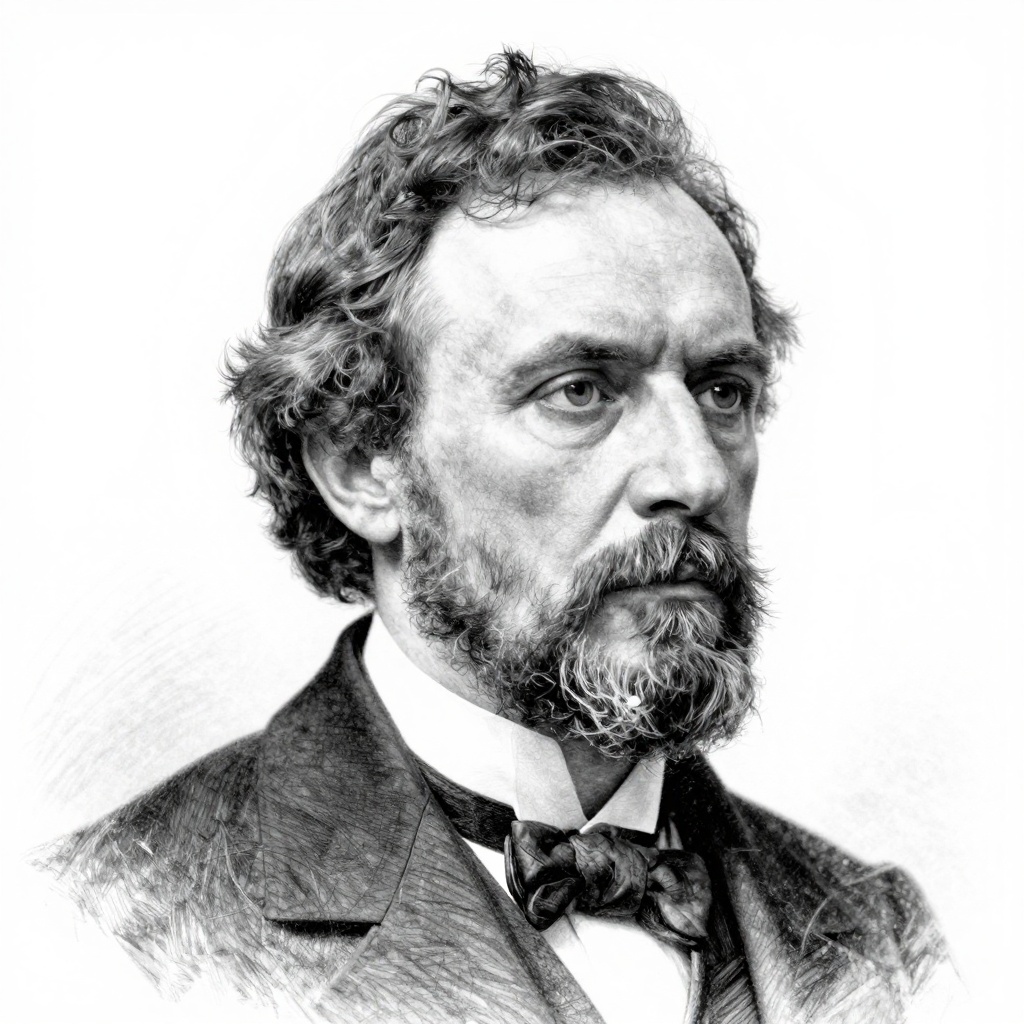
1796–1859·lived 63 years
Horace Mann was an American education reformer and politician known as the "Father of the Common School Movement." He dedicated his career to advocating for free public education for all children. Mann played a significant role in shaping the education system in the United States during the 19th century.
Comments