Quote · Added 9 February 2026
The heart of a mother is a deep abyss at the bottom of which you will always find forgiveness.
No ratings yet
Filed undermother·forgiveness·depth
Quote · Added 9 February 2026
Filed undermother·forgiveness·depth
There's something almost unsettling about describing maternal love as an abyss—it's not exactly the warm, glowing image we're trained to expect. But Balzac's point lands differently when you think about what he's really saying: a mother's forgiveness isn't surface-level politeness or easy forgetting. It's something that runs so deep it seems bottomless, because it has to account for every disappointment, every mistake, every way you've let someone down and come back asking for another chance.
What makes this relevant isn't just about mothers and children. It speaks to a kind of forgiveness that doesn't require you to earn it back first or prove you've changed. It's already there, underneath everything else. The tricky part is that most of us spend our lives looking for that same forgiveness from other people—partners, friends, ourselves—and discovering it's rarely available in such radical abundance. We tend to keep score. We hold conditions. We forgive, but we remember.
Maybe the real insight isn't that mothers are magical. It's that we can recognize how conditional most forgiveness is, how much harder it is to let go completely, and how much rarer that kind of acceptance actually is in human relationships. When we encounter it, we should probably pay attention.
1799–1850·lived 51 years
Honore de Balzac (1799–1850) was a French novelist and playwright known for his extensive and influential body of work, collectively titled "La Comédie Humaine." He is celebrated for his realistic portrayal of French society in the early 19th century and is regarded as one of the founding figures of realism in European literature.
Also by Honore de Balzac
First love is a kind of vaccination which saves a man from catching the complaint a second...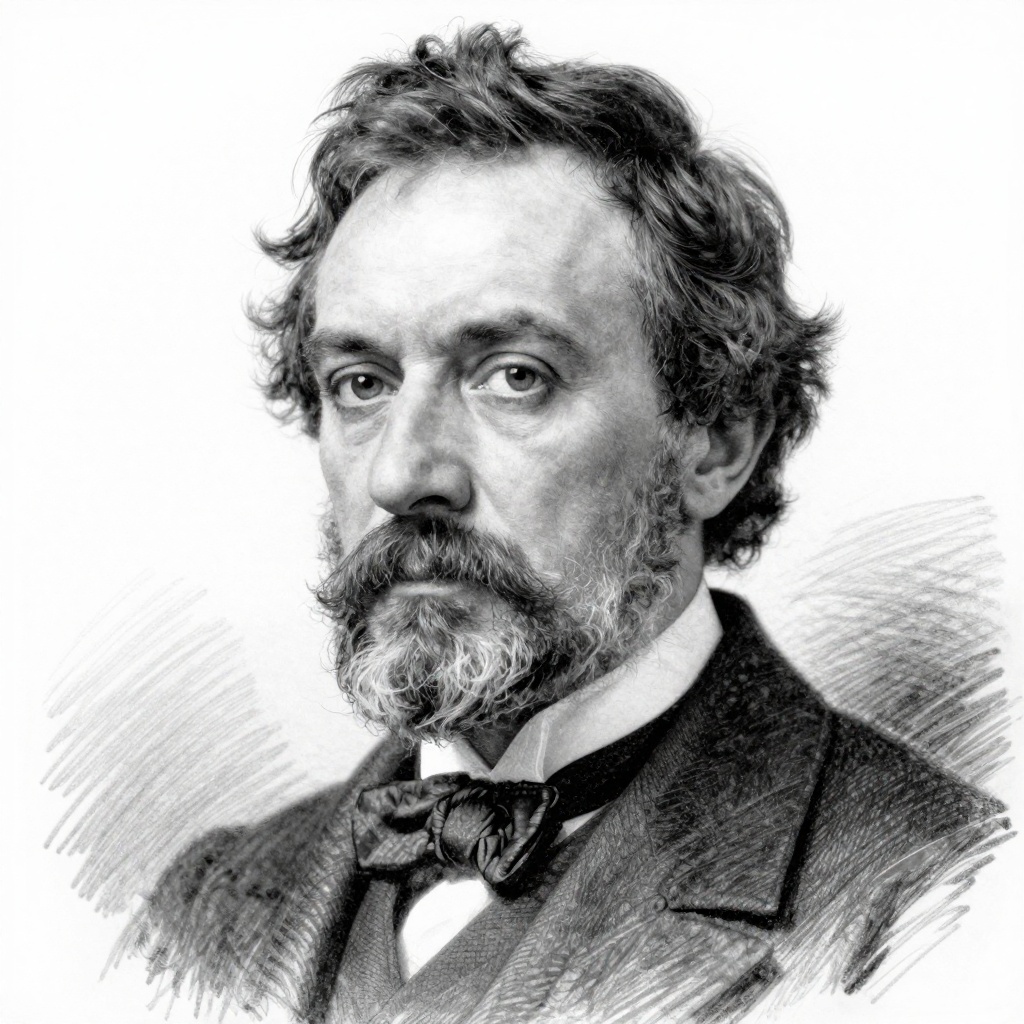
Comments