Quote · Added 10 February 2026
If we could give every individual the right amount of nourishment and exercise, not too little and not too much, we would have found the safest way to health.
Filed undernourishment·health·balance
Quote · Added 10 February 2026
Filed undernourishment·health·balance
We live in an age of extremes. Either we're obsessively tracking every calorie and logging every workout like we're training for the Olympics, or we're completely hands-off, hoping it all works out. Hippocrates' simple observation—that balance, not perfection, is what actually keeps us healthy—feels almost radical in that context. The word "right amount" is doing heavy lifting here. It's not about being disciplined or virtuous. It's about finding what actually works for your specific body and life, then sticking with it.
What makes this wisdom stick around is that it applies way beyond nutrition and exercise. We overschedule ourselves, then swing hard into burnout. We obsess over productivity systems, then abandon them entirely. We live in a culture that rewards intensity, yet our bodies and minds thrive on something messier and more sustainable: consistency at a level we can actually maintain. The real skill isn't willpower or knowledge—it's the unglamorous work of figuring out your personal "right amount" and defending it, day after day. That's the opposite of viral fitness advice, but it's probably why people are still quoting a Greek doctor from 2,400 years ago.
d. 370
Hippocrates was an ancient Greek physician often referred to as the "Father of Medicine." He revolutionized medical practice by establishing it as a science rather than a belief system, emphasizing observation and clinical experience. Hippocrates is best known for creating the Hippocratic Oath, a code of ethics for medical practitioners that is still used today.
Also by Hippocrates
Life is short, the art long.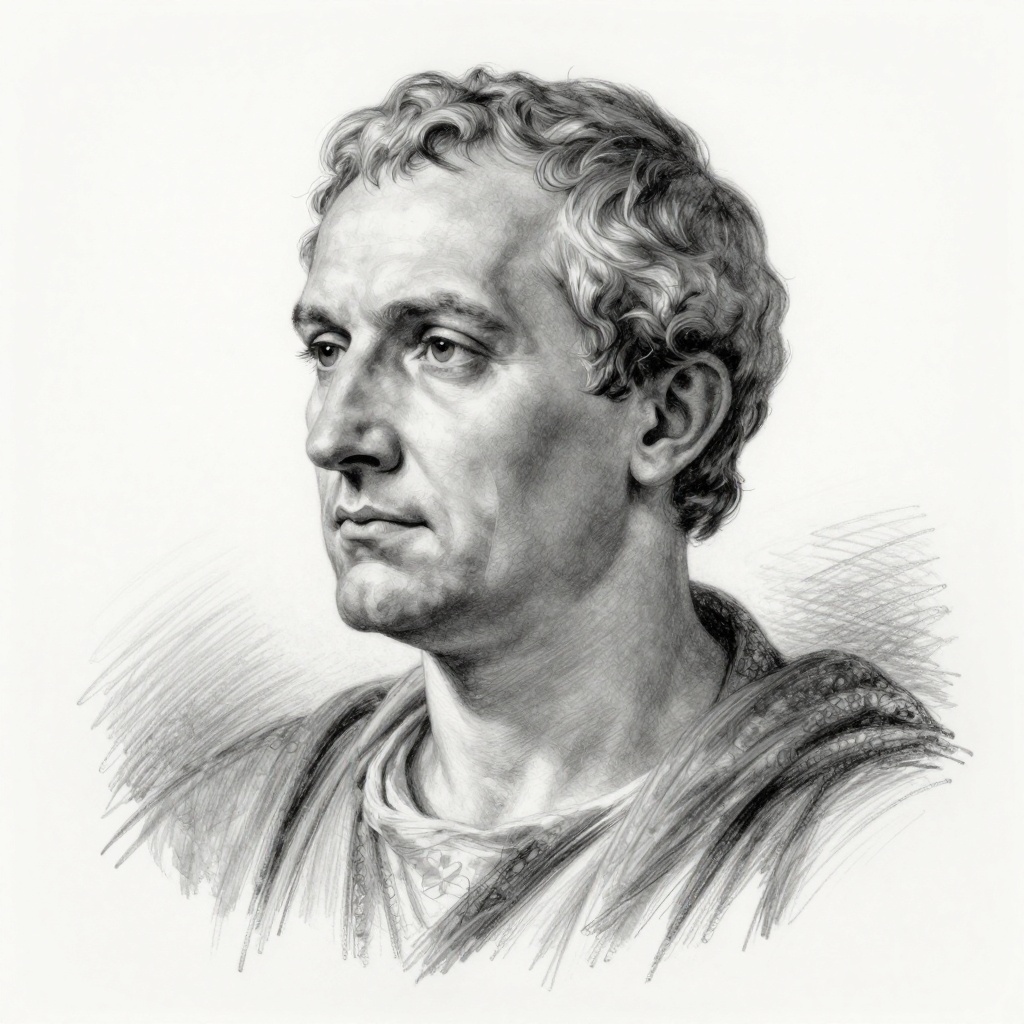
Comments