Quote · Added 9 February 2026
A wise man should consider that health is the greatest of human blessings, and learn how by his own thought to derive benefit from his illnesses.
HippocratesRegimen in Health, bk. IX
Filed underhealth·wisdom·resilience
Quote · Added 9 February 2026
Filed underhealth·wisdom·resilience
We tend to treat good health like background noise—something we notice only when it's gone. But Hippocrates points at something real: the moment you lose your health, even temporarily, you understand what you've been taking for granted. A nasty cold makes you appreciate breathing clearly. An injury teaches you something about your body you'd never learn while everything works fine.
The trickier part of his idea is that second bit—deriving benefit from illness. This isn't about toxic positivity or pretending sickness is secretly good. It's about the fact that illness actually teaches. It forces you to slow down, notice your limits, rethink your habits. Someone who gets winded climbing stairs might finally start moving their body differently. Someone stressed into insomnia might actually change their relationship to work. The illness itself doesn't improve you, but your response to it can.
The real wisdom here is practical: health isn't something to optimize only when you're sick. It's something to actively protect and value right now, before crisis forces you to. Because by then, you're learning the hard way instead of the thoughtful way.
d. 370
Hippocrates was an ancient Greek physician often referred to as the "Father of Medicine." He revolutionized medical practice by establishing it as a science rather than a belief system, emphasizing observation and clinical experience. Hippocrates is best known for creating the Hippocratic Oath, a code of ethics for medical practitioners that is still used today.
Also by Hippocrates
Life is short, the art long.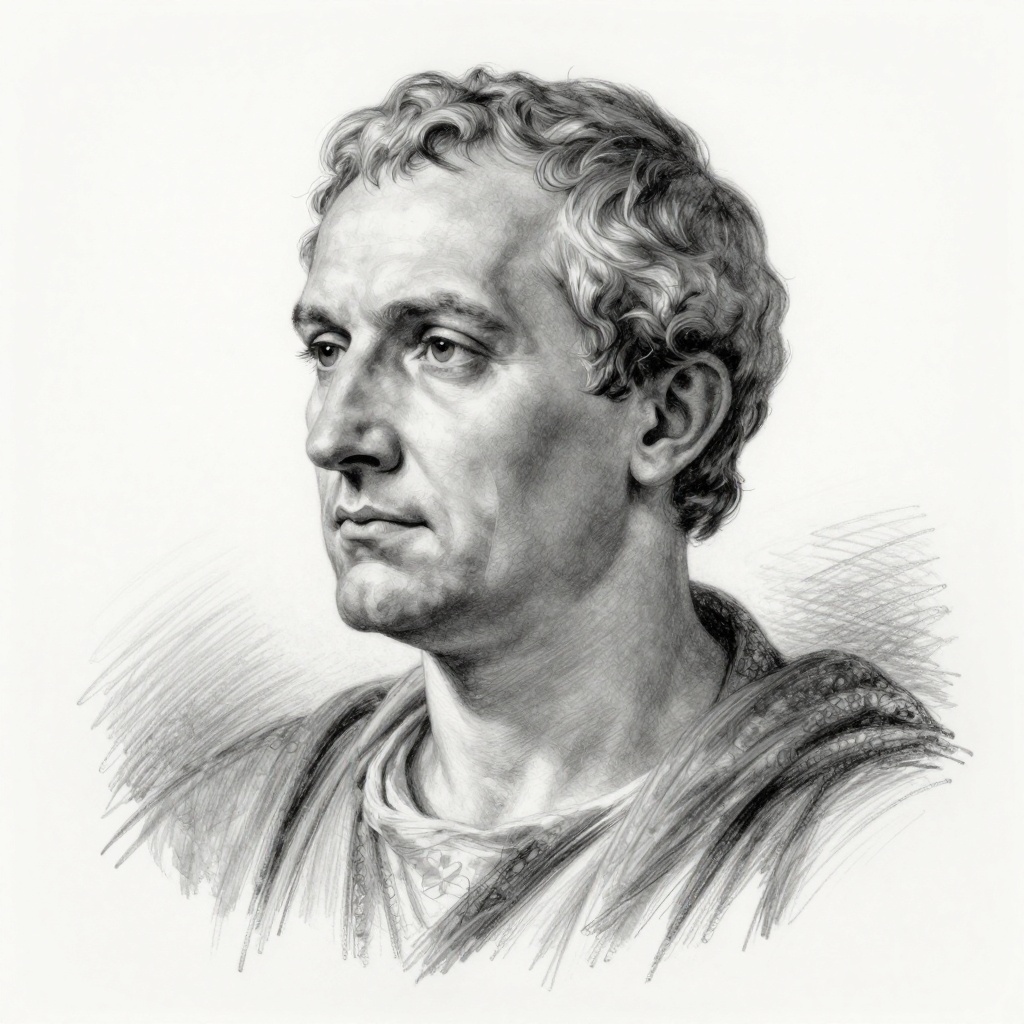
Comments