Quote · Added 14 February 2026
The great aim of education is not knowledge but action.
Herbert SpencerThe Complete Works of Herbert Spencer: The Principles of Psychology, The Principles of Philosophy, First Principles and More
Quote · Added 14 February 2026
We're trained to think education means filling our heads with facts—memorizing dates, absorbing information, passing tests. But Spencer is pointing at something that reveals itself only after school ends: knowing something and being able to do something are almost completely different skills. You can understand nutrition perfectly and still reach for junk food. You can know exactly what healthy relationships look like and still stay in harmful ones. Knowledge sits inert in your brain until it actually changes how you move through the world.
This distinction matters because it reframes what learning is really for. If education only produced knowledgeable people, we'd have more of them just sitting around with interesting thoughts. Instead, the point is to develop people who can actually solve problems, create things, make better choices. A person who reads one book about confidence and then applies it—speaking up in a meeting they'd normally avoid—has learned more through that action than someone who's absorbed ten books on psychology but never changed their behavior.
The tricky part is that action requires something knowledge doesn't: risk, discomfort, the chance of failure. That's why real education is harder than it looks. It's not just about thinking differently. It's about being willing to do differently, knowing you might stumble in the attempt.
1820–1903·lived 83 years
Herbert Spencer (1820–1903) was an English philosopher, biologist, anthropologist, and sociologist who is best known for his theory of social Darwinism and his work on evolutionary theory. He coined the phrase "survival of the fittest" and applied evolutionary principles to society, arguing that societies evolve through competition and natural selection.
Also by Herbert Spencer
A man is called selfish not for pursuing his own good, but for neglecting his neighbor's.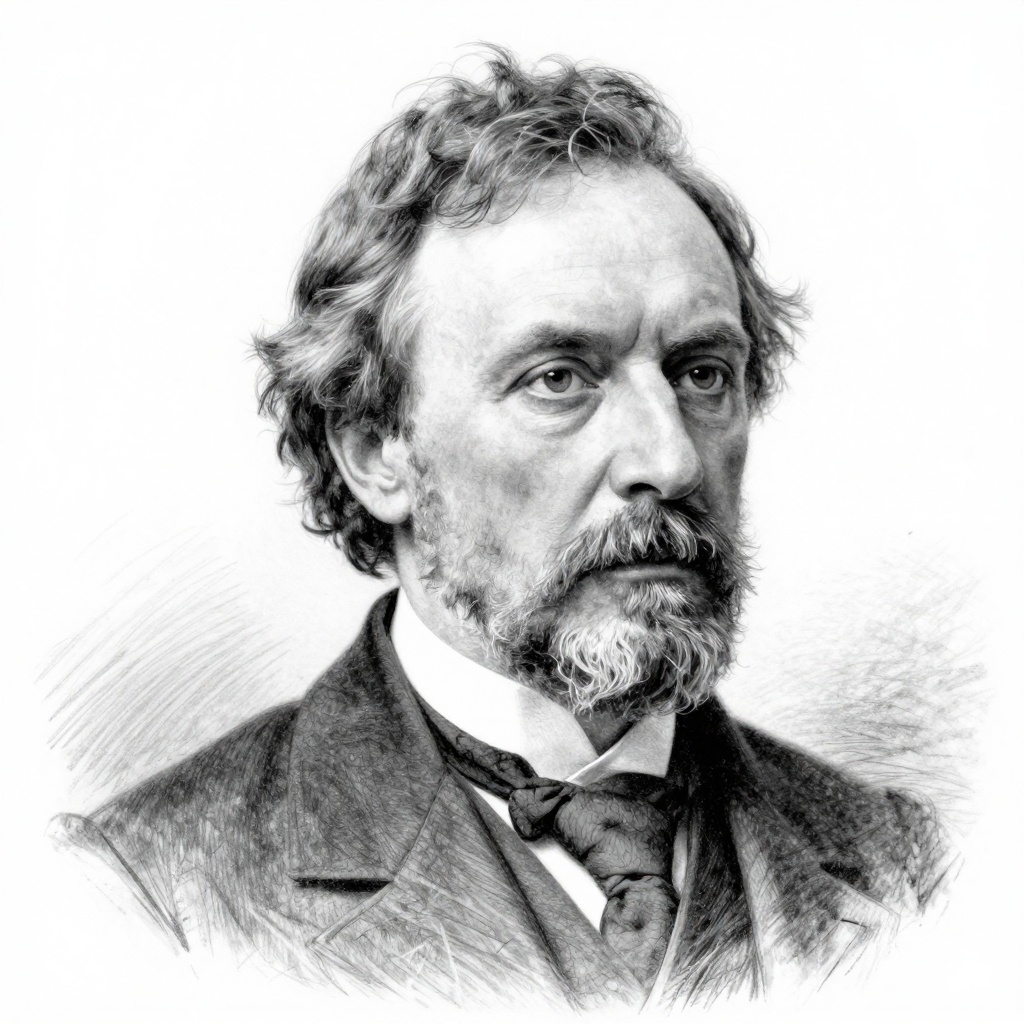
Comments