Quote · Added 14 February 2026
We are always on the anvil; by trials God is shaping us for higher things.
Henry Ward BeecherTrouble a Test, 2023
Quote · Added 14 February 2026
Life has a way of feeling like constant pressure. Work deadlines, relationship friction, health scares, financial stress—these aren't interruptions to your real life, they're woven into it. This quote suggests that discomfort isn't a system malfunction but an actual process. The anvil image is perfect because it's not gentle; it's where something soft and formless gets hammered into shape. The rough spots and the struggles aren't punishment or bad luck—they're the mechanism itself.
The tricky part is that you can't usually see the purpose while you're in it. When you're in the middle of a difficult conversation or facing failure, it feels pointless, even destructive. But the insight here is that becoming stronger, wiser, or more capable always requires pressure. A muscle doesn't develop without resistance. Confidence doesn't emerge without having faced doubt first. What felt unbearable last year often becomes the story you tell that helped you understand something crucial about yourself.
This doesn't make hard times feel better in the moment—that's not the point. But it shifts something subtle: you stop needing to understand why struggle is happening and start noticing what it's teaching you. That reframing might be the only part of the anvil you can actually control.
1813–1887·lived 73 years
Henry Ward Beecher was an influential and charismatic American preacher, speaker, and social reformer in the 19th century. He is best known for his abolitionist views and powerful oratory skills that drew large crowds to his sermons, advocating for social justice and equality. Henry Ward Beecher played a key role in shaping public opinion on important issues of his time, leaving a lasting impact on American society.
Also by Henry Ward Beecher
Troubles are often the tools by which God fashions us for better things.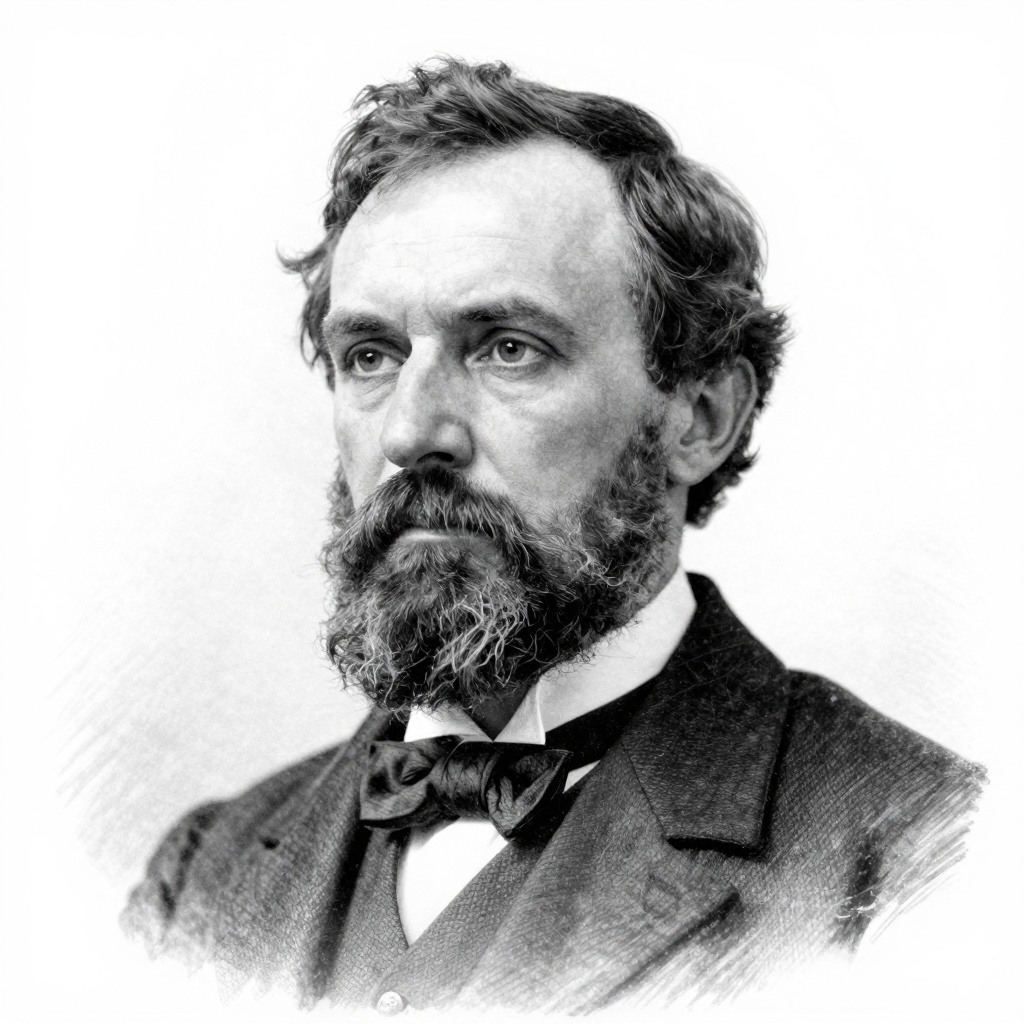
Comments