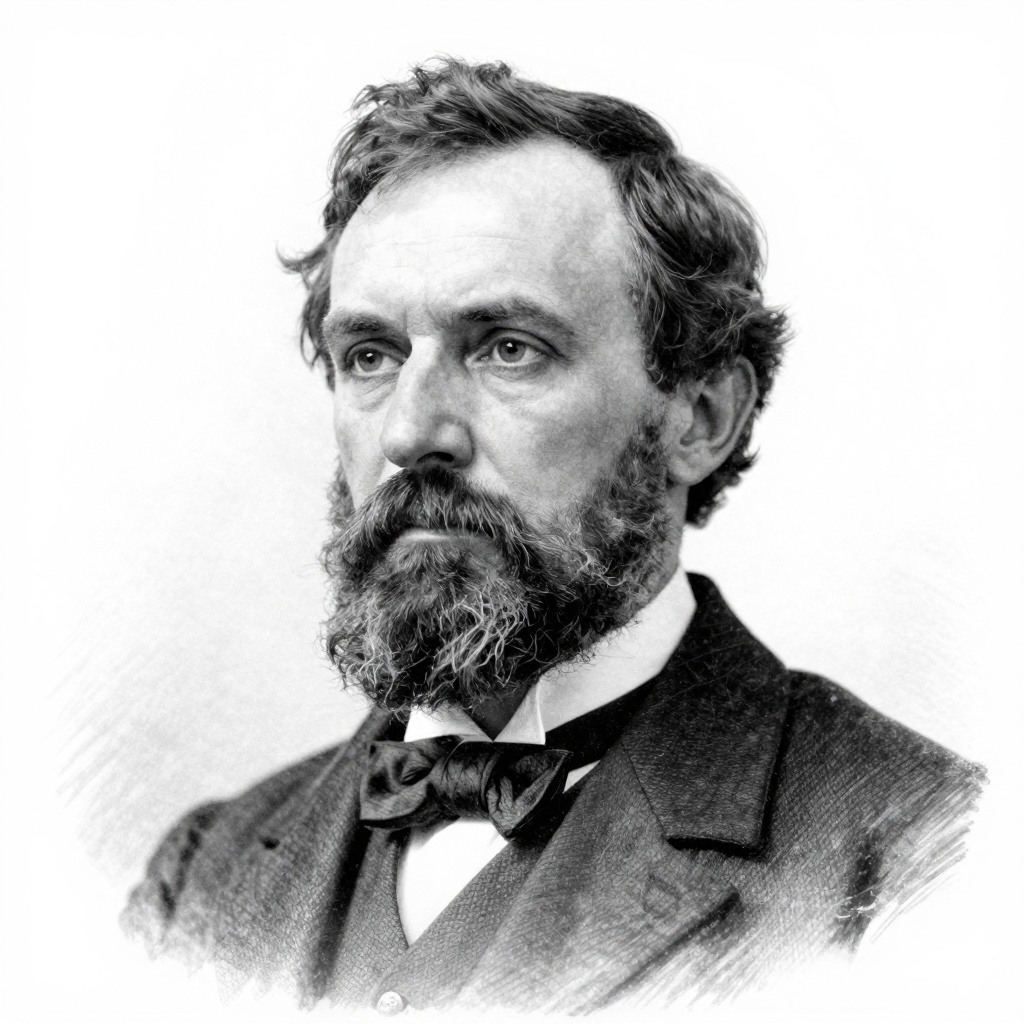
I can forgive, but I cannot forget, is only another way of saying, I will not forgive. Forgiveness ought to be... — Henry Ward Beecher

I can forgive, but I cannot forget, is only another way of saying, I will not forgive. Forgiveness ought to be like a cancelled note - torn in two, and burned up, so that it never can be shown against one.

Author: Henry Ward Beecher

Insight: There's a brutal honesty in this idea that most of us won't admit: we often say we've forgiven someone while keeping a mental file of everything they did. We bring it up during arguments, we reference it to mutual friends, we feel it tighten our chest when we see them. That's not forgiveness. That's just deciding not to say anything out loud. Real forgiveness, by Beecher's standard, is more like deleting the evidence entirely. Not pretending the hurt didn't happen, but genuinely releasing your right to hold it over someone. The moment you're still keeping score, still ready to prove your generosity by reminding them what you got over, you're still collecting payment. You're still deciding their debt matters. This cuts deeper than just relationship advice. It explains why some people seem genuinely lighter after conflicts while others stay bitter for years, even when they insist they've "moved on." One group actually burned the note. The other group is still holding it in their back pocket, occasionally taking it out to read. The difference isn't in the words they use. It's in whether they're willing to make something unspeakable.

Forgiveness means burning the evidence

I can forgive, but I cannot forget, is only another way of saying, I will not forgive. Forgiveness ought to be like a cancelled note - torn in two, and burned up, so that it never can be shown against one.

There's a brutal honesty in this idea that most of us won't admit: we often say we've forgiven someone while keeping a mental file of everything they did. We bring it up during arguments, we reference it to mutual friends, we feel it tighten our chest when we see them. That's not forgiveness. That's just deciding not to say anything out loud.

Real forgiveness, by Beecher's standard, is more like deleting the evidence entirely. Not pretending the hurt didn't happen, but genuinely releasing your right to hold it over someone. The moment you're still keeping score, still ready to prove your generosity by reminding them what you got over, you're still collecting payment. You're still deciding their debt matters.

This cuts deeper than just relationship advice. It explains why some people seem genuinely lighter after conflicts while others stay bitter for years, even when they insist they've "moved on." One group actually burned the note. The other group is still holding it in their back pocket, occasionally taking it out to read. The difference isn't in the words they use. It's in whether they're willing to make something unspeakable.

AI generated

Comments

Sign in to leave a comment or reply to one.

Sign in

Henry Ward Beecher

Henry Ward Beecher was an influential and charismatic American preacher, speaker, and social reformer in the 19th century. He is best known for his abolitionist views and powerful oratory skills that drew large crowds to his sermons, advocating for social justice and equality. Henry Ward Beecher played a key role in shaping public opinion on important issues of his time, leaving a lasting impact on American society.

Graph

Related