Quote · Added 14 February 2026
What is character but the determination of incident? What is incident but the illustration of character?
Henry JamesThe Portrait of a Lady, p. 123, 1881
Quote · Added 14 February 2026
There's a useful paradox hiding in this idea: we often think of character as something fixed—the real us underneath everything. But James suggests it's actually the opposite. Your character isn't revealed by who you are on a calm Tuesday afternoon; it emerges in how you respond when things go sideways. The person you become under pressure, when tired, when faced with a choice nobody's watching—that's where the truth lives.
The flip side is equally important. Those incidents we go through—the betrayal, the opportunity we took or didn't take, the moment we stood up or stayed quiet—they're not random plot points happening to a finished person. They're actively shaping who we are. Which means you're not locked into any version of yourself. Every difficult situation, every choice, is simultaneously a test of your character and a chance to build it.
This matters because it cuts through the modern excuse of "that's just how I am." If incident illustrates character, it also creates it. The boring decisions, the small moments when nobody's keeping score—they're all incidents too. Which means any of those moments could be the one that tilts you toward becoming who you actually want to be.
1843–1916·lived 72 years
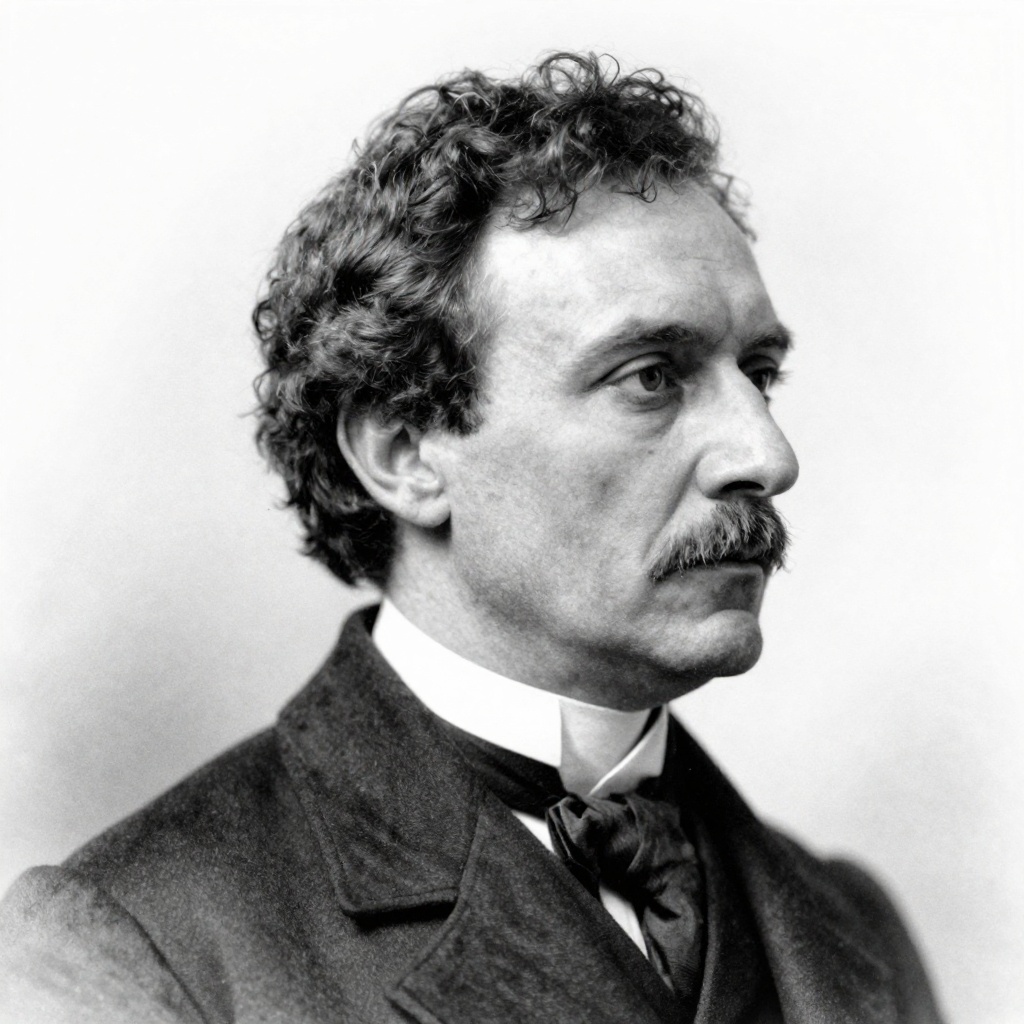
Henry James was an American-British author born on April 15, 1843, in New York City. He is best known for his influential novels and stories, which explore themes of consciousness, perception, and the complexities of human relationships, with notable works including "The Portrait of a Lady" and "The Turn of the Screw." James became a key figure in literary realism and is often regarded as one of the greatest novelists in the English language. He passed away on February 28, 1916.
Comments