Quote · Added 21 April 2024
Three things in human life are important. The first is to be kind. The second is to be kind. And the third is to be kind.
Henry JamesThe Master: 1901-1916, p. 123, 1972
Filed underkindness·compassion·humanity
Quote · Added 21 April 2024
Filed underkindness·compassion·humanity
Kindness seems simple until you try to actually prioritize it. We all believe it matters, but our days fill with competing demands—efficiency, ambition, protecting ourselves. We get tired. We get defensive. We notice when someone cuts us off in traffic but forget to notice the person beside us who's struggling quietly. James's repetition isn't poetic filler; it's a warning that we'll talk ourselves out of kindness the moment we stop hammering it into place.
What's quietly radical about this is that he doesn't mention success, happiness, or even love. He's suggesting that if you get kindness right, everything else becomes secondary. Not irrelevant—secondary. You can fail at your career and still be rich in the ways that actually count. You can be smart, accomplished, or impressive and still leave people worse off. But someone who chooses kindness, even clumsily, even when it's inconvenient? They're getting the fundamentals right.
The hardest part isn't believing this. It's remembering it when you're frustrated, when you're afraid, when someone doesn't deserve your patience. That's why James said it three times.
1843–1916·lived 72 years
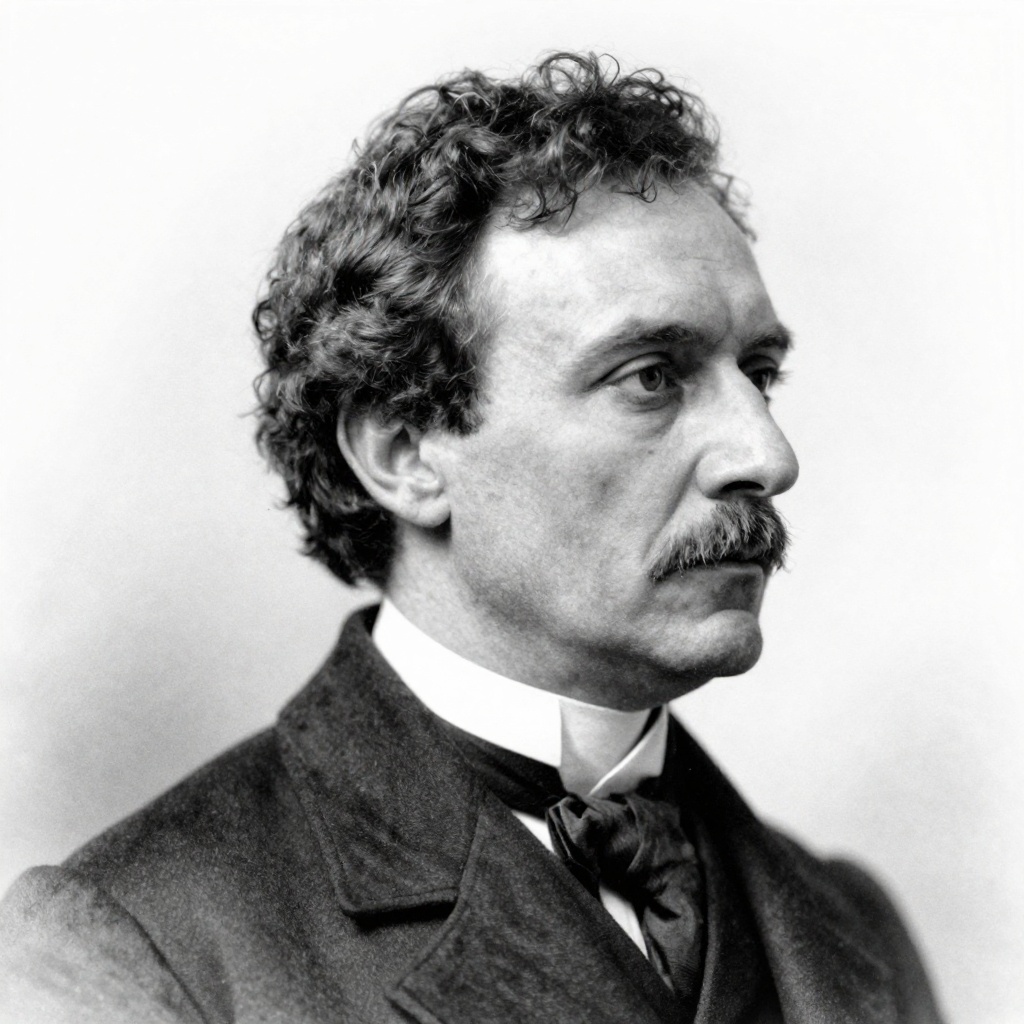
Henry James was an American-British author born on April 15, 1843, in New York City. He is best known for his influential novels and stories, which explore themes of consciousness, perception, and the complexities of human relationships, with notable works including "The Portrait of a Lady" and "The Turn of the Screw." James became a key figure in literary realism and is often regarded as one of the greatest novelists in the English language. He passed away on February 28, 1916.
Comments