Quote · Added 14 February 2026
If you make money your god, it will plague you like the devil.
Henry FieldingJoseph Andrews Vol 1 & 2, 2017
No ratings yet
Filed undermoney·temptation·obsession
Quote · Added 14 February 2026
Filed undermoney·temptation·obsession
There's a particular kind of exhaustion that comes from organizing your entire life around earning more. You wake up thinking about it, you make decisions based on it, you measure your worth by it—and somehow, having more money doesn't actually quiet that voice. It just gets louder, because there's always more to chase.
What's tricky is that money itself isn't the problem. You need it to live. But when it becomes the organizing principle of your life—when every choice gets filtered through "will this make me richer?"—it stops being a tool and starts being a master. And masters are demanding. They're never satisfied. They keep you anxious about losing ground, guilty about not optimizing every hour, resentful of time spent on things that don't earn. That's the "plague" part: not poverty, but the psychological cage you build while pursuing wealth.
The non-obvious bit is that this doesn't just affect ambitious people or workaholics. It can happen to anyone who's been told enough times that financial security is the ultimate safety. Then suddenly you're saying no to things that matter to you, or you're unable to enjoy what you've built, because you're still operating in scarcity mode. Freedom, oddly enough, sometimes requires deciding that enough is actually enough.
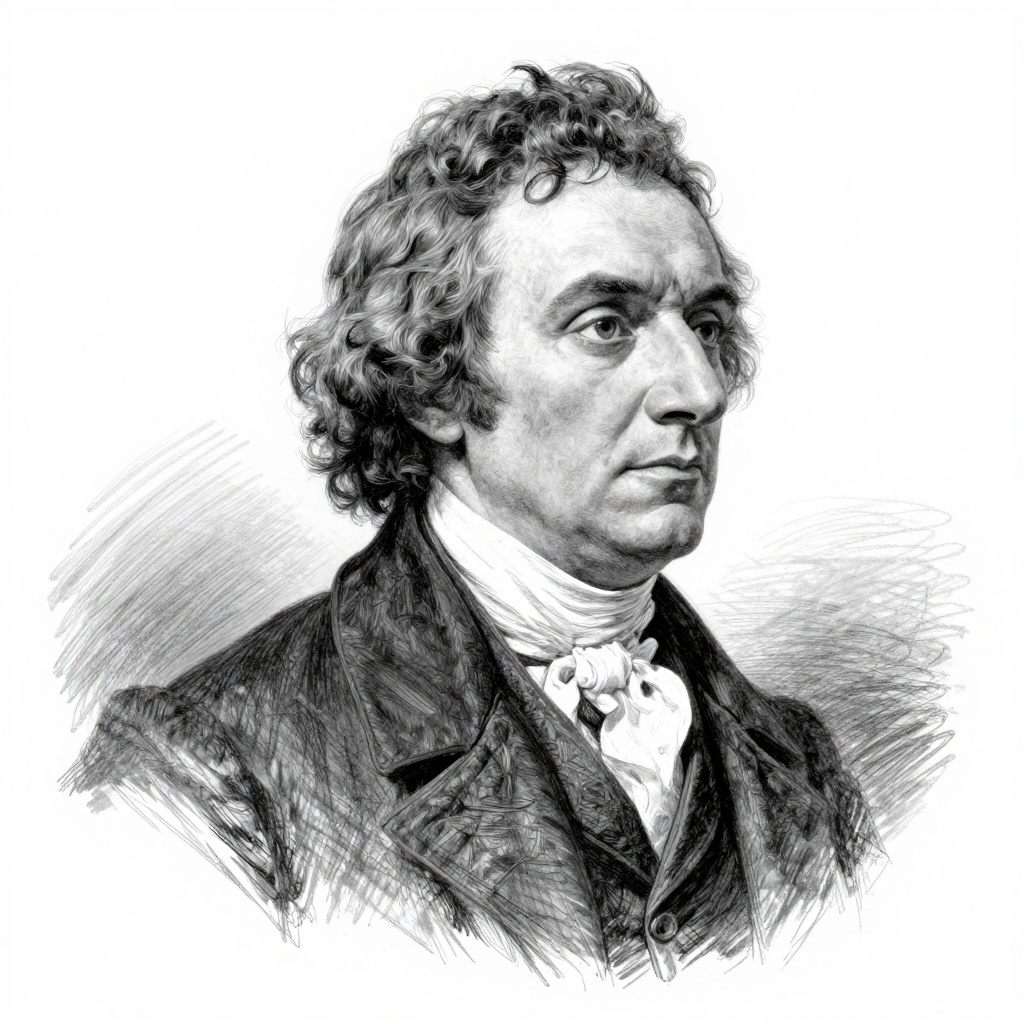
1707–1754·lived 46 years
Henry Fielding was an English novelist and playwright born on April 22, 1707, and is best known for his influential works in the 18th century, particularly the novel "Tom Jones." As a pioneering figure in the development of the English novel, Fielding's writing is characterized by its humor, social criticism, and vivid characterizations. In addition to his literary contributions, he served as a magistrate and was involved in efforts to reform the legal system in London.
Comments