Quote · Added 25 August 2023
Someone has said that it requires less mental effort to condemn than to think.
Henri PoincaréThe Value of Science, 1905
Filed undercondemnation·effort·thoughtfulness
Quote · Added 25 August 2023
Filed undercondemnation·effort·thoughtfulness
We do this constantly without noticing. It takes maybe two seconds to decide something is bad, wrong, or stupid. It takes actual work to understand why someone believes what they believe, or to sit with the messy reality that something might be partly good and partly problematic. Our brains love the shortcut of judgment because it feels decisive and clean, while genuine thinking is exhausting and often leaves us with uncomfortable ambiguity.
This matters because we live in a culture built on instant takes. Social media rewards the person who condemns fastest and loudest, not the person who asks clarifying questions. We judge our partners' choices, our parents' decisions, our colleagues' competence—often with confidence built on very little actual reflection. The path of least resistance is always condemnation.
But here's the thing: most of the people and problems we dismiss as obviously wrong are actually more complicated up close. The friend making a strange life choice probably has reasons we haven't bothered to learn. The political position we've written off might have a legitimate concern buried underneath it, even if the solution proposed is flawed. Thinking takes longer and feels less satisfying than judgment, which is precisely why it matters. The willingness to think harder is increasingly rare, and increasingly valuable.
1854–1912·lived 58 years
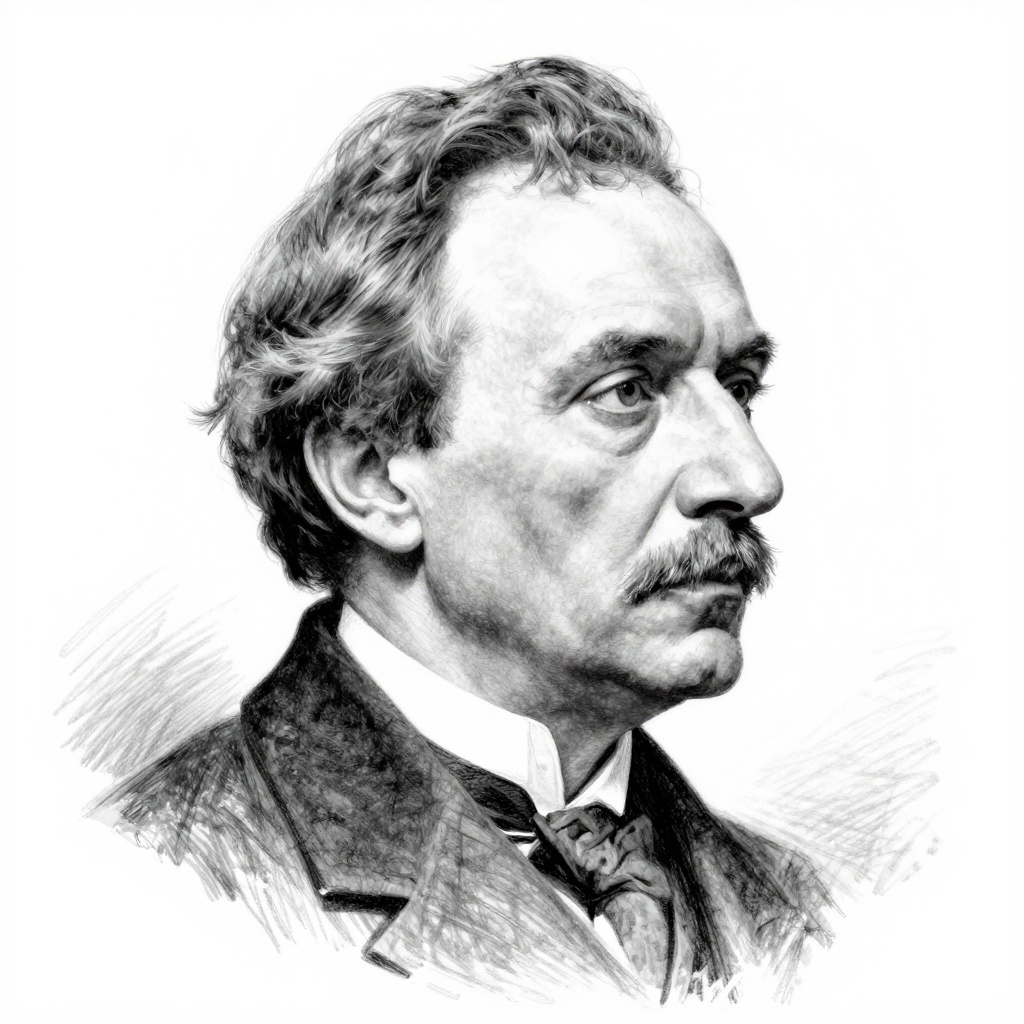
Henri Poincaré (1854–1912) was a French mathematician, theoretical physicist, and philosopher. He made significant contributions to various fields, including mathematics, celestial mechanics, topology, and the philosophy of science, and is known for his work on the three-body problem, Poincaré conjecture, and Poincaré recurrence theorem.
Comments