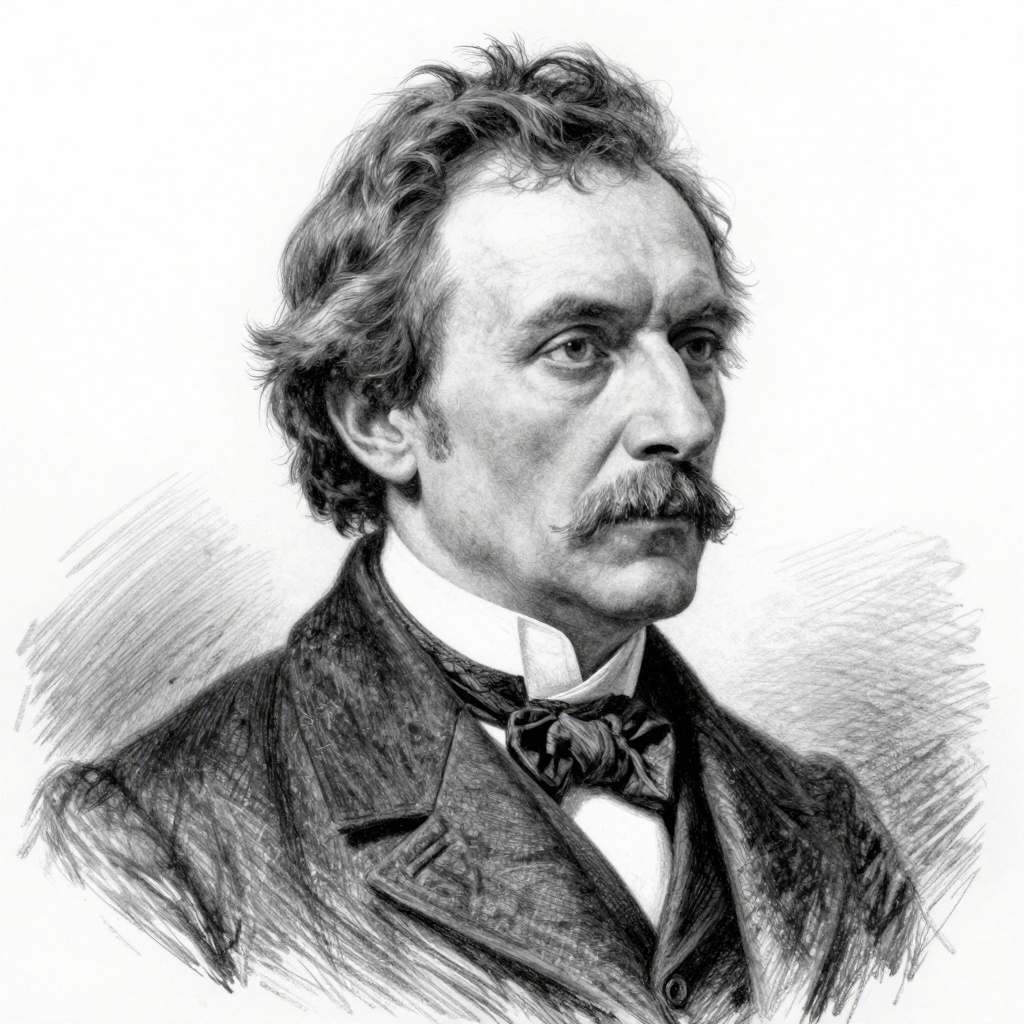
Thankfulness is the beginning of gratitude. Gratitude is the completion of thankfulness. Thankfulness may cons... — Henri Frederic Amiel

Thankfulness is the beginning of gratitude. Gratitude is the completion of thankfulness. Thankfulness may consist merely of words. Gratitude is shown in acts.

Author: Henri Frederic Amiel

Insight: We often treat gratitude and thankfulness as if they're the same thing, but there's a real difference between feeling grateful and actually doing something about it. Thankfulness is the spark—that moment when you notice something good and feel a little lighter because of it. You might text a friend "thanks for the laugh today" or think, "I'm so lucky to have this job." That counts. But gratitude is what happens when the spark becomes a fire that changes how you move through the world. The gap between the two is where most people get stuck. It's easy to be thankful in your head or throw out words of appreciation without much thought behind them. Real gratitude demands something harder: your time, your attention, your behavior. It's showing up early for someone who helped you. It's treating an ordinary day with care because you're aware it could be different. It's the small choices that prove you actually meant it. The practical insight here is that thankfulness without action is just sentiment—comfortable but forgettable. Gratitude, on the other hand, is a practice. It rebuilds relationships, changes how people see you, and honestly, it changes how you see yourself too. You stop being someone who feels lucky and start being someone who acts like it matters.

Words become actions when gratitude deepens

Thankfulness is the beginning of gratitude. Gratitude is the completion of thankfulness. Thankfulness may consist merely of words. Gratitude is shown in acts.

We often treat gratitude and thankfulness as if they're the same thing, but there's a real difference between feeling grateful and actually doing something about it. Thankfulness is the spark—that moment when you notice something good and feel a little lighter because of it. You might text a friend "thanks for the laugh today" or think, "I'm so lucky to have this job." That counts. But gratitude is what happens when the spark becomes a fire that changes how you move through the world.

The gap between the two is where most people get stuck. It's easy to be thankful in your head or throw out words of appreciation without much thought behind them. Real gratitude demands something harder: your time, your attention, your behavior. It's showing up early for someone who helped you. It's treating an ordinary day with care because you're aware it could be different. It's the small choices that prove you actually meant it.

The practical insight here is that thankfulness without action is just sentiment—comfortable but forgettable. Gratitude, on the other hand, is a practice. It rebuilds relationships, changes how people see you, and honestly, it changes how you see yourself too. You stop being someone who feels lucky and start being someone who acts like it matters.

AI generated

Comments

Sign in to leave a comment or reply to one.

Sign in

Henri Frederic Amiel

Henri Frederic Amiel was a Swiss philosopher, poet, and critic born on September 27, 1821, in Geneva. He is best known for his extensive journal writings, which reflect his philosophical insights and personal reflections, particularly in his work "Journal Intime." Amiel's thoughts on existentialism and the human condition had a significant impact on later existentialist thinkers. He died on May 11, 1881.

Graph

Related