Quote · Added 15 February 2026
I'm not interested in age. People who tell me their age are silly. You're as old as you feel.
Filed underage·perception·individuality
Quote · Added 15 February 2026
Filed underage·perception·individuality
We spend enormous energy tracking a number that doesn't actually tell us much. Someone at sixty might be sharper, faster, more energetic than someone at thirty-five, yet we use birthdays as the primary way we categorize people—including ourselves. Amiel's point isn't that age doesn't exist, but that it's a terrible measure of who someone actually is or what they can do.
The real insight is about how we use numbers to avoid seeing people clearly. Once you know someone's age, your brain fills in assumptions about their energy, relevance, flexibility, and interests. A sixty-year-old trying to learn TikTok gets labeled differently than a twenty-five-year-old doing the same thing, even though the actual situation—someone learning something new—is identical. Age becomes a shortcut we take instead of actually paying attention.
What matters is how you move through the world, what you're curious about, how you recover from setbacks. Some people feel ancient at forty because they stopped trying. Others feel genuinely young at seventy because they're engaged, learning, and taking on challenges. The number on your driver's license is just information. How you feel—how alive, how capable, how willing to grow—is something you actually control.
1821–1912·lived 90 years
Henri Frederic Amiel was a Swiss philosopher, poet, and critic born on September 27, 1821, in Geneva. He is best known for his extensive journal writings, which reflect his philosophical insights and personal reflections, particularly in his work "Journal Intime." Amiel's thoughts on existentialism and the human condition had a significant impact on later existentialist thinkers. He died on May 11, 1881.
Also by Henri Frederic Amiel
There is no respect for others without humility in one's self.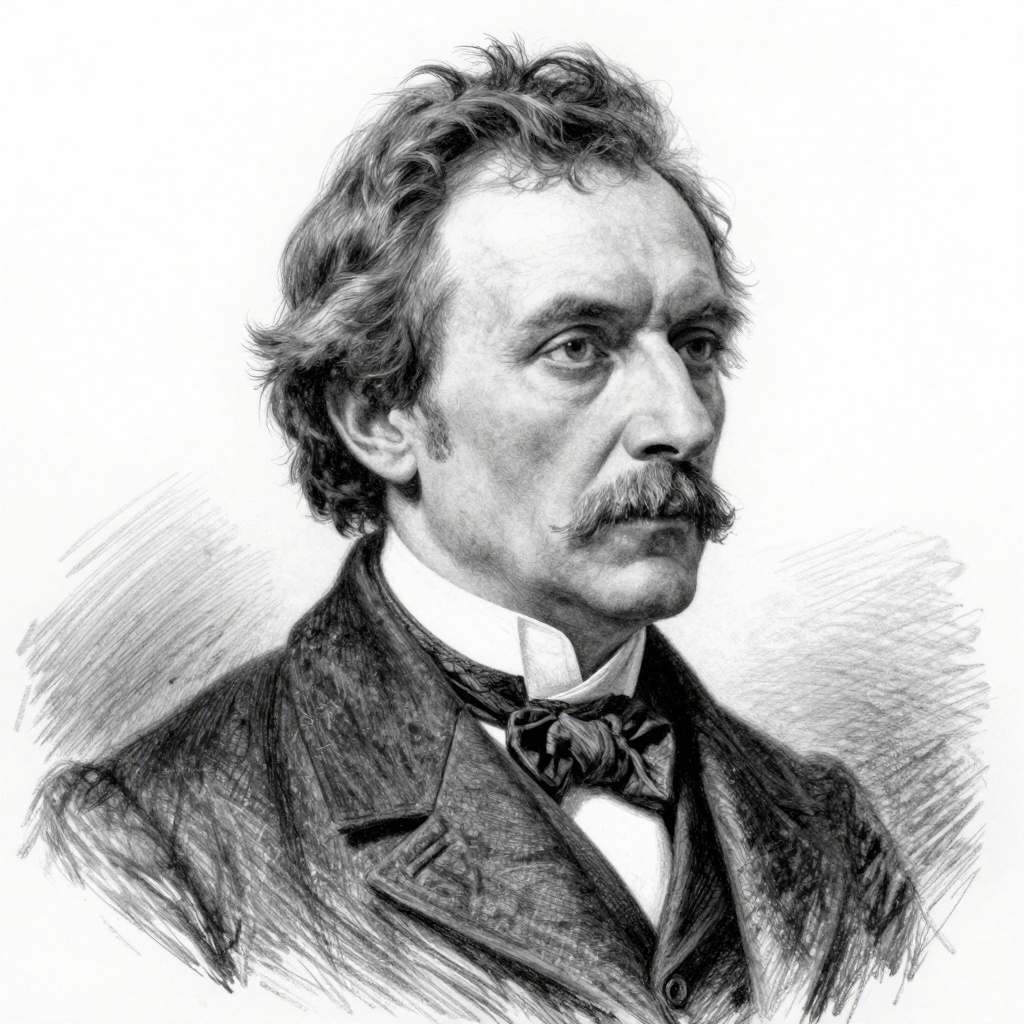
Comments