Quote · Added 17 February 2026
Stay close to anything that makes you glad you are alive.
No ratings yet
Quote · Added 17 February 2026
We're all pulled in a thousand directions, so it's easy to drift away from the things that genuinely light us up. A hobby gets abandoned because life got busy. A friendship fades because we stopped making the effort. We tell ourselves we'll get back to it, but the distance grows. Hafez's advice cuts through that drift: the things that make you glad to be alive aren't luxuries or rewards you earn later—they're essential anchors right now.
The tricky part is that we often mistake "staying close" with grand gestures. We assume we need a whole weekend or perfect circumstances. But really, it's about small, regular contact. The person who calls a friend on their commute. The parent who builds five minutes of drawing time into their morning. The musician who plays for twenty minutes even on exhausted days. These aren't huge commitments, but they're consistent enough to keep you tethered to what matters.
There's something quietly radical about this approach too. We're culturally conditioned to prioritize what's urgent or what looks productive. But Hafez is suggesting that your own aliveness—that specific feeling of being glad to exist—is the actual measure of whether you're living well. Not achievement, not approval. Just that core sense of yes, this is worth being here for. That's worth protecting.
1315–1390·lived 75 years
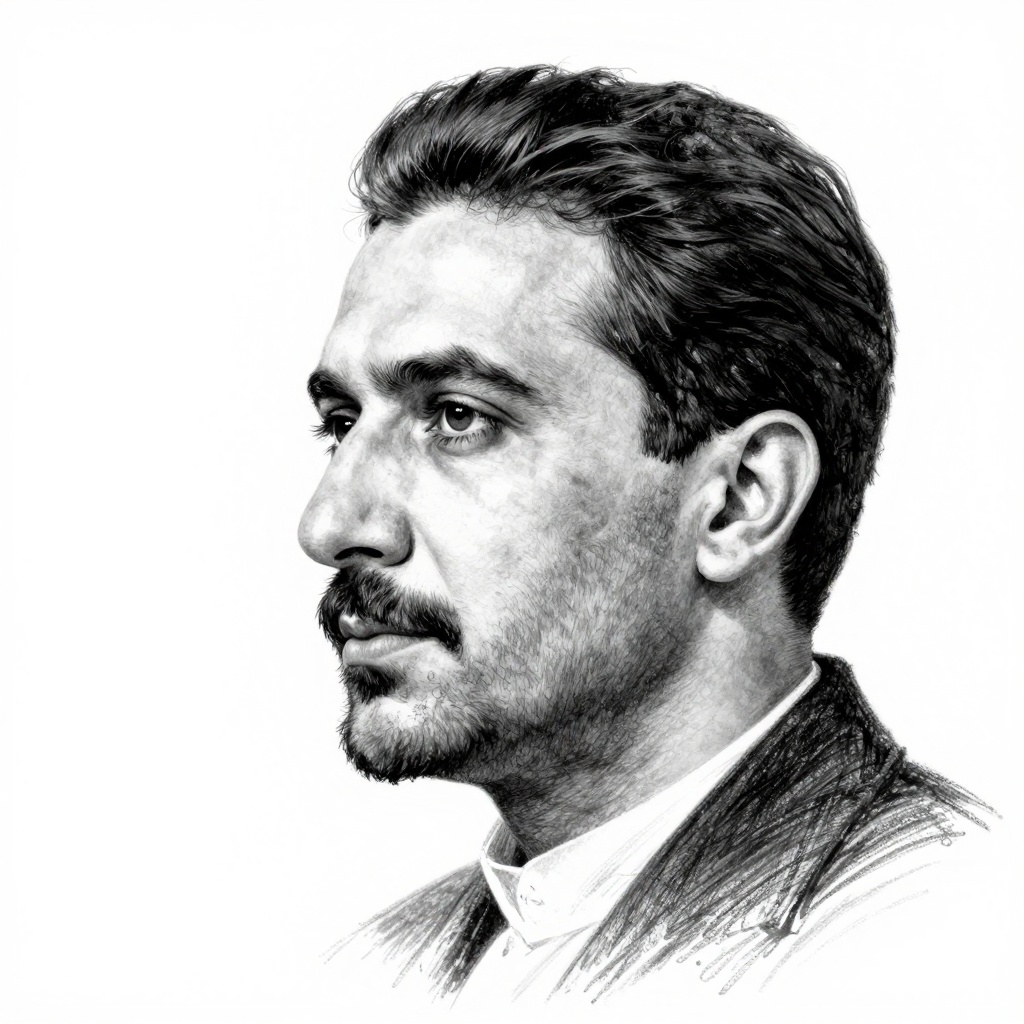
Hafez, born in Shiraz, Persia, in the 14th century, was a renowned Persian poet whose work is celebrated for its profound depth and masterful use of language. He is best known for his ghazals, a form of lyrical poetry that explores themes of love, spirituality, and the nature of existence. Hafez's influence extends beyond literature, impacting Persian culture and philosophy, and he remains a significant figure in the literary world.
Comments