Quote · Added 17 February 2026
Stupidity lies in wanting to draw conclusions.
No ratings yet
Quote · Added 17 February 2026
We live in an age of compulsive conclusion-drawing. Someone mentions a problem and we immediately leap to a solution. A friend tells us about their day and we're already diagnosing what they should have done differently. We read a headline and our minds snap shut around an interpretation. Flaubert is pointing at something we do constantly—the rush to settle a question so we can move on, think we understand, feel secure that we've got it figured out.
The tricky part is that drawing conclusions isn't always stupid. Sometimes you need to decide and act. But there's a real difference between reaching a thoughtful conclusion and just stopping your thinking to feel less uncomfortable. Real stupidity isn't confusion; it's premature certainty. It's mistaking the moment when you've stopped asking questions for the moment when you've found the answer.
The non-obvious part? Flaubert isn't telling you to be endlessly uncertain or to never make decisions. He's suggesting that the actual work—the intelligence—happens in the space before conclusions. In staying with the complexity a little longer. In noticing what you don't yet understand. The people we call thoughtful aren't smarter at concluding; they're better at resisting the urge to.
1821–1880·lived 58 years
Gustave Flaubert was a renowned French novelist known for his masterpiece "Madame Bovary," which is considered a seminal work of literary realism. His meticulous approach to writing and dedication to capturing the complexities of human emotions and society had a profound influence on the development of the modern novel.
Also by Gustave Flaubert
The art of writing is the art of discovering what you believe.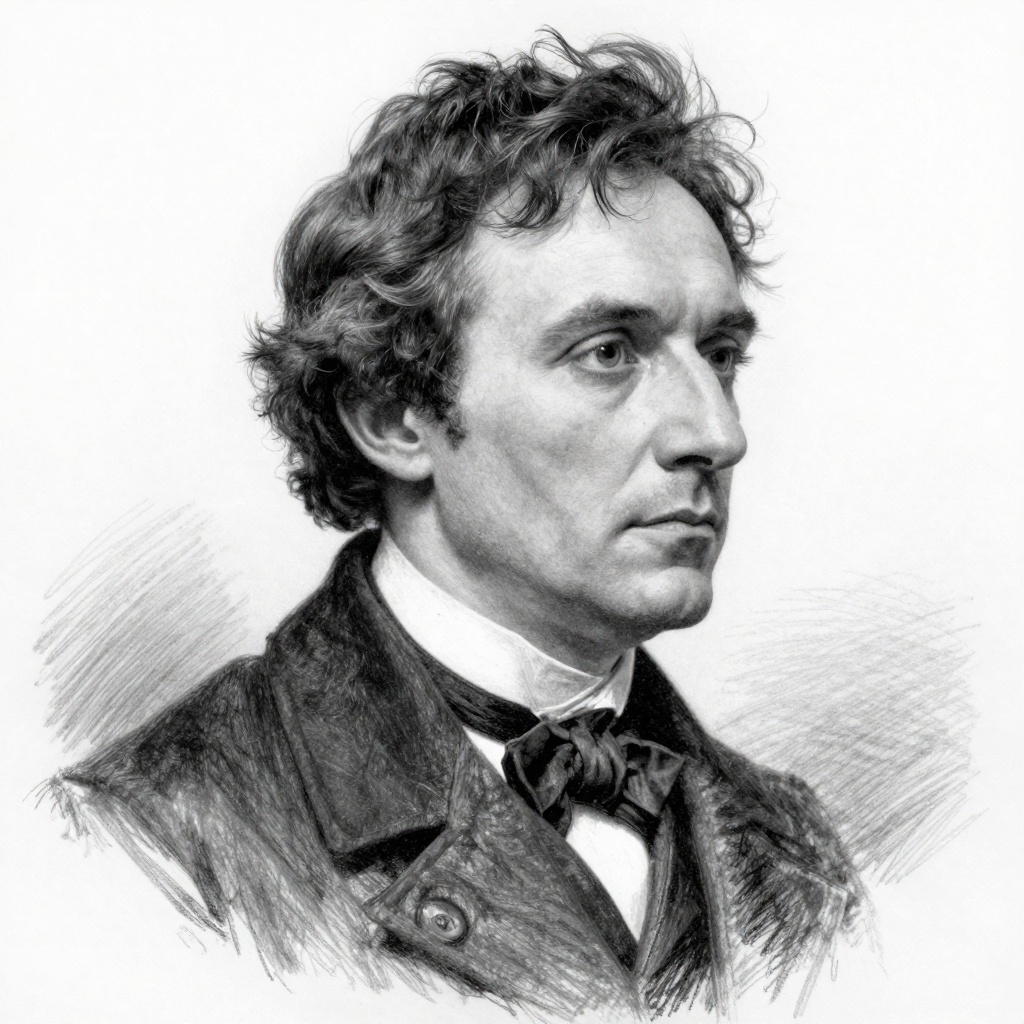
Comments