Quote · Added 14 February 2026
Be regular and orderly in your life, so that you may be violent and original in your work.
Gustave FlaubertLetter to Gertrude Tennant (December 25, 1876)
No ratings yet
Filed underorder·creativity·discipline
Quote · Added 14 February 2026
Filed underorder·creativity·discipline
Most of us assume that creative people are naturally chaotic—that genius and messiness go together. But Flaubert's advice flips this around: the freedom to be truly original comes from having the mundane stuff on autopilot. When your daily routine is predictable, your brain isn't constantly firefighting or making decisions about basics. You're not wondering what to eat, when to sleep, or whether you've answered emails. That mental energy stays available for the actual work.
This matters more now than ever. We live in an age of infinite choice and distraction, where everything feels urgent and nothing feels settled. Building a boring routine—consistent wake times, a regular workspace, predictable meals—sounds like the opposite of creative freedom. But it's actually the container that holds it. The constraint makes the breakthrough possible. Think of it as spending your chaos budget where it counts: on the page, in the painting, in the problem you're solving, not on deciding what to do with the first hour of your day.
The slightly counterintuitive part is that this isn't about discipline crushing creativity. It's about discipline protecting it. Boring life, wild work.
1821–1880·lived 58 years
Gustave Flaubert was a renowned French novelist known for his masterpiece "Madame Bovary," which is considered a seminal work of literary realism. His meticulous approach to writing and dedication to capturing the complexities of human emotions and society had a profound influence on the development of the modern novel.
Also by Gustave Flaubert
The art of writing is the art of discovering what you believe.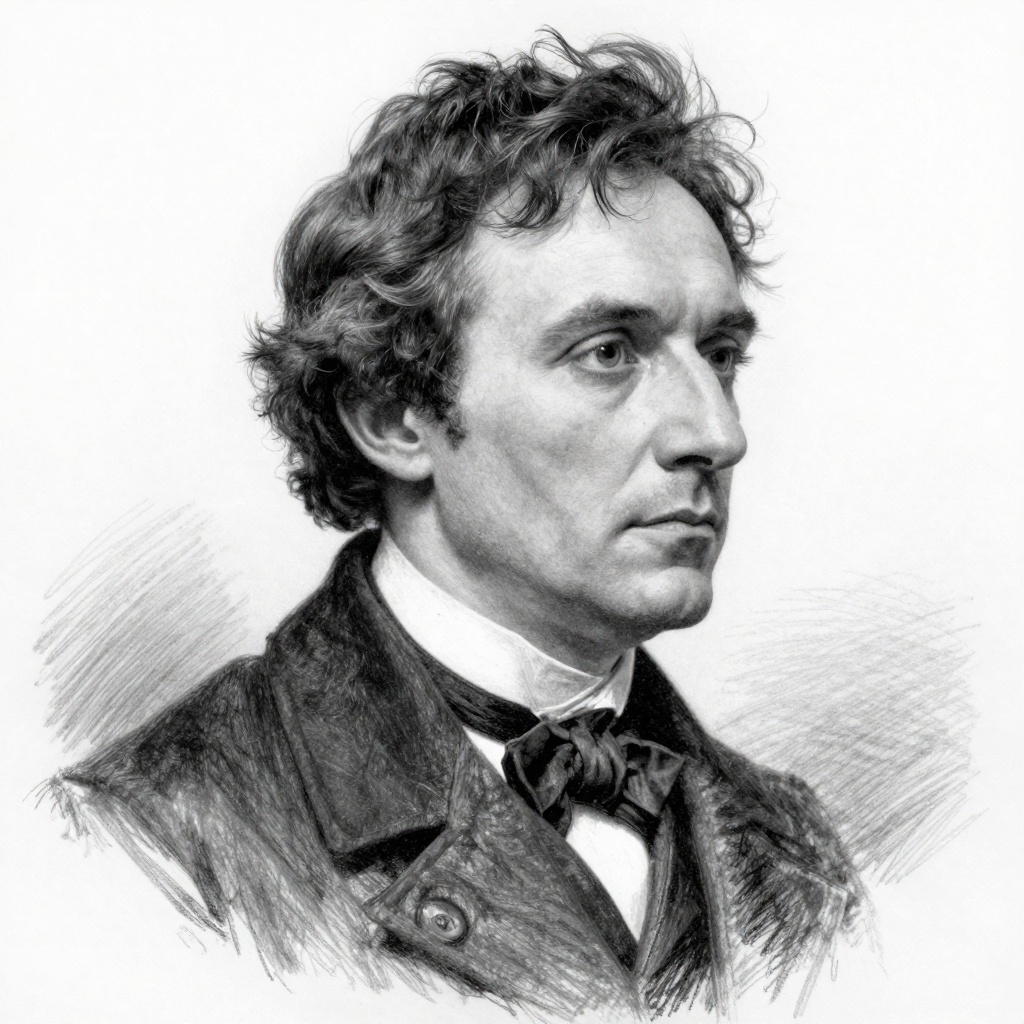
Comments