Quote · Added 15 February 2026
To disarm the people... was the best and most effectual way to enslave them.
Filed underdisarmament·enslavement·control
Quote · Added 15 February 2026
Filed underdisarmament·enslavement·control
We usually think of freedom and oppression as grand political concepts, but Mason's insight points to something more practical: power follows capability. When one group holds the tools and others don't, the conversation stops being about debate and starts being about dependence. It's why throughout history, those seeking control have so often started by controlling access to weapons, information, or resources.
But here's the less obvious part: this applies beyond governments. In workplaces, relationships, and communities, the same dynamic quietly operates. When someone hoards knowledge, controls the budget, or manages all the contacts, they've created an asymmetry of power—not through force, but through control of capability. We disarm people every time we make them dependent on us for something they could otherwise handle themselves.
The deeper point Mason seemed to understand is that freedom isn't just about having rights on paper. It's about having genuine options and the means to act on them. A person who can't do anything for themselves, who has no alternatives and no tools, isn't truly free—regardless of what any document promises them. That tension between formal freedom and real capability still defines our lives.
1725–1792·lived 66 years
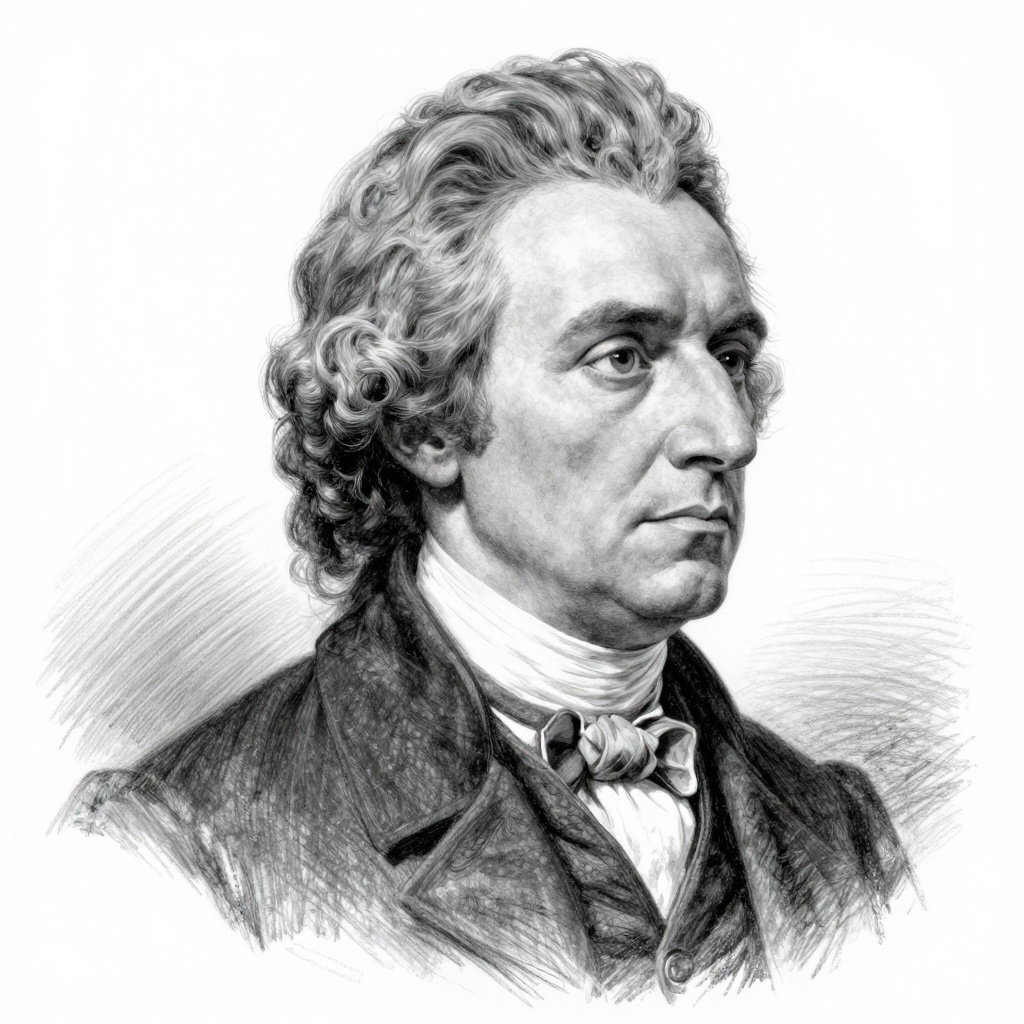
George Mason (1725-1792) was an American planter, politician, and one of the Founding Fathers of the United States. He is best known for his strong advocacy of individual rights and his role in drafting the Virginia Declaration of Rights in 1776, which inspired the U.S. Bill of Rights. Mason's legacy includes his contributions to American constitutionalism and the principles of liberty and governance.
Comments