Quote · Added 15 February 2026
Reading
AI generatedPower lives in your street, not capitals
When we hear "militia" today, most of us picture organized groups with uniforms and training. But George Mason was pointing at something much simpler and more radical: the idea that ordinary people, just going about their lives, are actually the backbone of any functional society. A teacher, a plumber, a nurse—they're all part of the militia in this sense. They're the ones who can show up when something goes wrong, who understand their communities, who have actual stakes in how things run.
This matters now because we've grown so comfortable outsourcing responsibility. We assume problems are someone else's job to solve—the government's, the experts', the "right people's." But Mason was saying that distinction between officials and citizens is actually pretty thin. The people are the real power, which means we're also the ones responsible when things fall apart or get overlooked.
The slightly unsettling part? If we're all the militia, then we can't really claim helplessness. We can't say the system is broken and expect someone else to fix it while we stay on the sidelines. It's a reminder that power isn't something that only lives in buildings with important names. It's in your street, your workplace, your ability to organize and show up. That's either empowering or uncomfortable depending on how you look at it.
The author
All 2 quotes by George Mason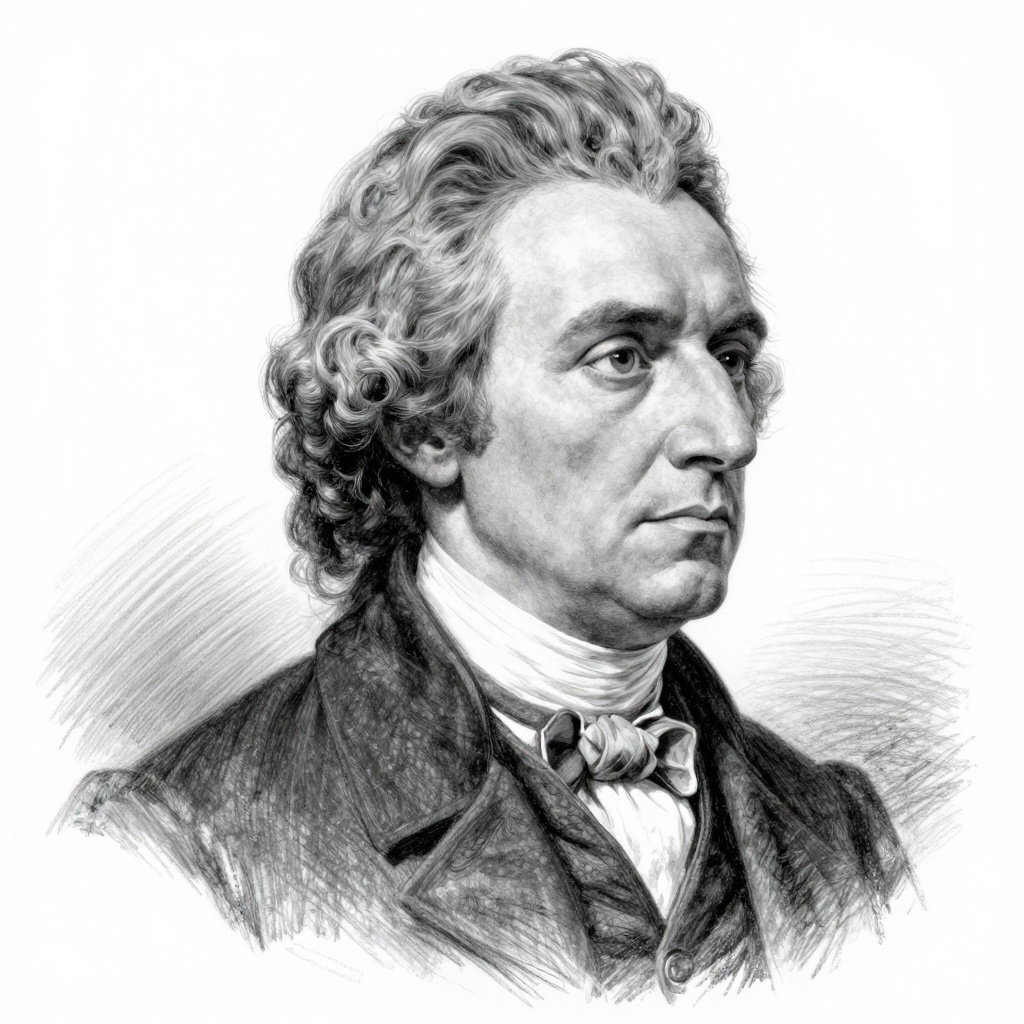
George Mason
1725–1792·lived 66 years
George Mason (1725-1792) was an American planter, politician, and one of the Founding Fathers of the United States. He is best known for his strong advocacy of individual rights and his role in drafting the Virginia Declaration of Rights in 1776, which inspired the U.S. Bill of Rights. Mason's legacy includes his contributions to American constitutionalism and the principles of liberty and governance.
Also by George Mason
To disarm the people... was the best and most effectual way to enslave them.
Comments