Quote · Added 14 February 2026
Time is money says the proverb, but turn it around and you get a precious truth. Money is time.
Filed undertime·value·perception
Quote · Added 14 February 2026
Filed undertime·value·perception
When you flip this old saying around, something clicks. Money isn't really about the bills in your wallet—it's about what you can actually do with your hours. Spending money on convenience, on help, on things that buy you back time from drudgery or boredom, is spending money on life itself. A cab ride home instead of an hour on the bus isn't extravagance; it's choosing to do something you actually want during those reclaimed minutes.
This matters more now than ever, partly because we're drowning in ways to spend time. We have more choices, more obligations, more notifications pulling us in different directions. The real scarcity isn't money for most people who can afford to ask the question—it's the hours. So the calculus shifts. That meal delivery service that feels expensive? If it saves you an hour of meal prep you'd spend tired and resentful, it's an investment in your actual living, not a luxury.
The tricky part is that we still judge people for making this trade. There's lingering guilt about "buying out" of ordinary tasks, as though paying someone to do things for you is somehow cheating. But Gissing's reversal cuts through that: if time is the irreplaceable resource, then guarding it jealously is just good math.
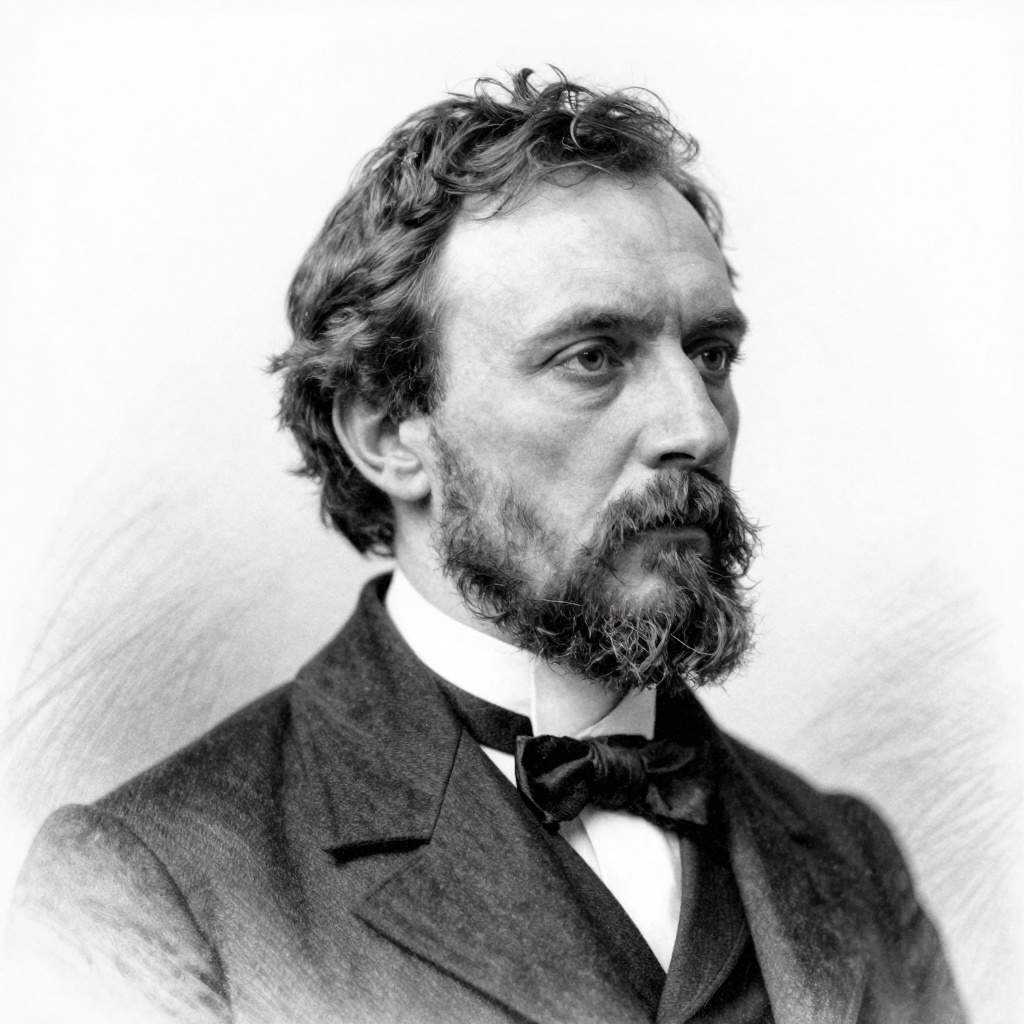
1857–1903·lived 46 years
George Gissing was an English novelist born on November 22, 1857, known for his realistic depictions of working-class life and social issues in late Victorian England. His most notable works include "The Odd Women" and "New Grub Street," which explore themes of poverty, gender, and the struggles of writers. Gissing's literary career was marked by a deep empathy for the marginalized and a critical view of contemporary society, making him an important figure in English literature.
Comments