Quote · Added 14 February 2026
Reading
AI generatedAbandoning your purpose feels like winning
We spend so much energy worrying about failing at things we don't actually care about. Missing a promotion we never wanted, disappointing people who don't matter, falling short of someone else's definition of success. But the real catastrophe, Eliot suggests, is something quieter and more insidious: drifting away from what you actually believe in because it's easier, safer, or more socially acceptable.
This matters now more than ever because the noise is louder. Social media, family expectations, economic pressure—there are a hundred voices telling you what matters. It's tempting to chase those external measures and call it ambition. The twist is that this kind of "failure" often feels successful in the moment. You got the thing. You made the money. You impressed the room. But then you wake up one day and realize you've abandoned something you genuinely cared about, and that hollow feeling is harder to shake than any straightforward setback.
The courage Eliot's talking about isn't dramatic. It's the quiet persistence of staying tethered to your own purpose even when it would be easier to let go. That's where real failure—the kind that actually damages you—lives.
The author
All 16 quotes by George Eliot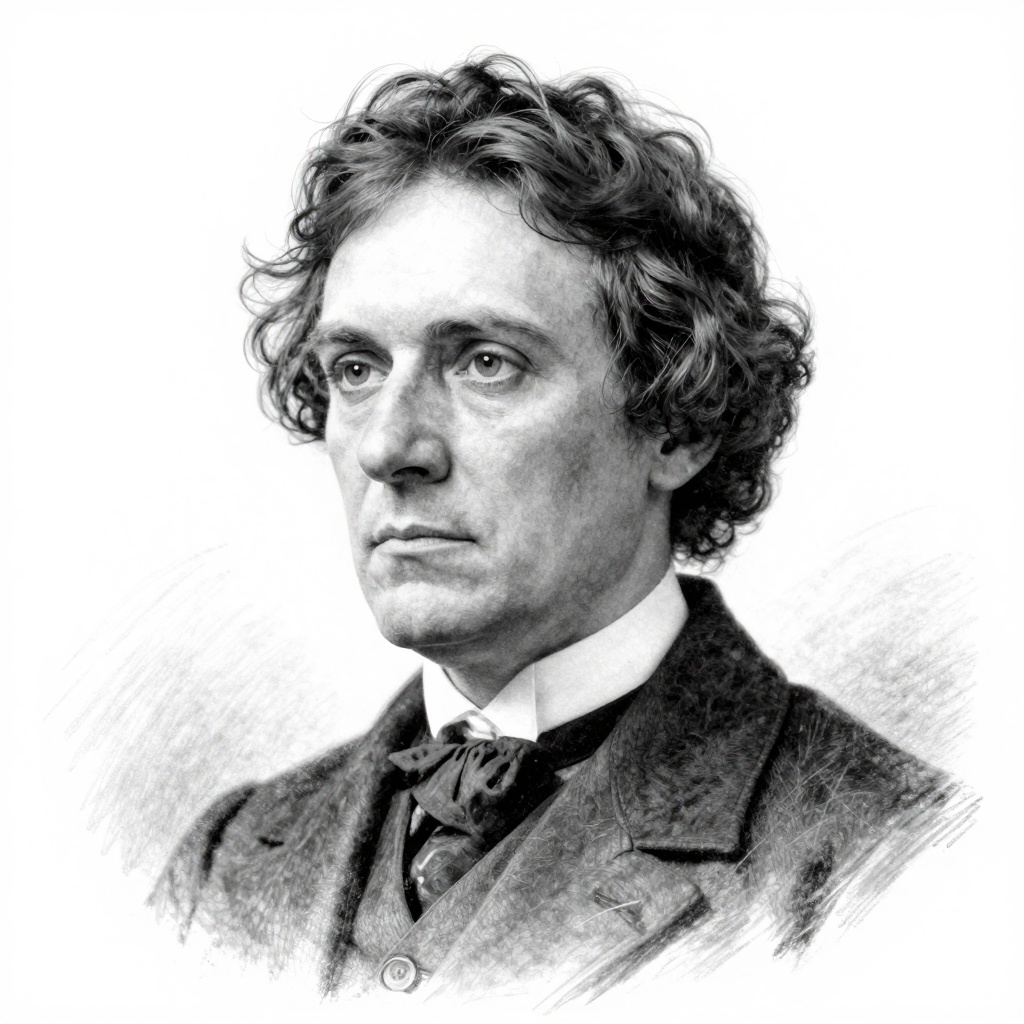
George Eliot
1819–1880·lived 61 years
George Eliot was an English novelist and one of the leading writers of the Victorian era. She is known for her works such as "Middlemarch" and "Silas Marner," which explore complex human emotions and moral dilemmas with a keen psychological insight. Eliot's writing often focused on social issues and the struggles of everyday life, making her a prominent figure in English literature.
Comments