Quote · Added 7 September 2023
People exist for one another.
George EliotMiddlemarch, p. 123, 1871
Filed underpeople·connection·purpose
Quote · Added 7 September 2023
Filed underpeople·connection·purpose
There's something almost radical about this simple statement when you really sit with it. In a world that constantly tells you to optimize yourself, build your personal brand, and look out for number one, the idea that we fundamentally exist for each other feels almost quaint. But that's exactly what makes it true in ways we can't ignore. Every meaningful thing in your life—the person who believes in you, the friend who texts to check in, the stranger who holds the door—exists because someone decided you mattered enough to show up.
The sneaky part is that this isn't some sacrifice you're supposed to resent. When you help someone, you're not shrinking yourself; you're actually becoming more yourself. The person who mentors a colleague isn't losing anything—they're discovering what they actually know. The parent who struggles to understand their teenager's world isn't wasting time; they're learning what it means to be human across different eras. Even small moments count: listening instead of planning your response, noticing when someone's quiet, remembering what matters to them.
This flips the pressure of modern life on its head. You don't have to be extraordinary or perfectly put together to have a purpose. You just have to recognize that the person next to you exists, and that your existence matters to them too. That reciprocal attention—actually showing up for each other—might be the most practical wisdom there is.
1819–1880·lived 61 years
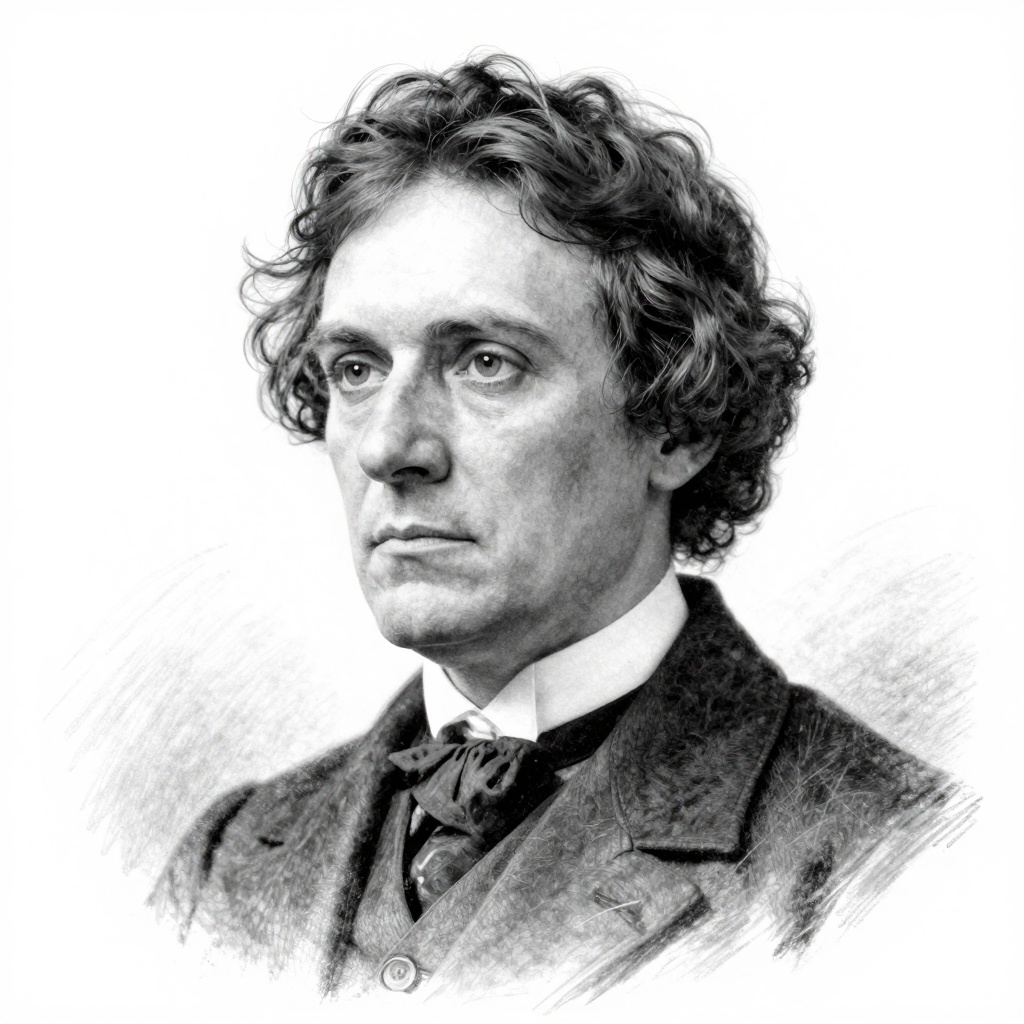
George Eliot was an English novelist and one of the leading writers of the Victorian era. She is known for her works such as "Middlemarch" and "Silas Marner," which explore complex human emotions and moral dilemmas with a keen psychological insight. Eliot's writing often focused on social issues and the struggles of everyday life, making her a prominent figure in English literature.
Comments