Quote · Added 27 April 2024
It's never too late to be what you might have been.
Filed underpotential·change·perseverance
Quote · Added 27 April 2024
Filed underpotential·change·perseverance
Most of us carry around a version of ourselves we abandoned years ago. Maybe it's the person who wanted to learn guitar, or write, or move to a different city. We tell ourselves that ship has sailed—we're too old, too established, too far down a different path. But this quote suggests something radical: that the path you're on isn't actually a cage. It's just where you happen to be standing right now.
The tricky part is that we often confuse "too late" with "inconvenient." Starting something new in your thirties or fifties or seventies does require rearranging your life a little. It means being a beginner again when you're used to being competent. But that discomfort isn't a sign you've missed your window—it's just the normal friction of growth. People switch careers, pick up old passions, and discover entirely new interests all the time. The only real deadline is the one you choose to accept.
What's quietly powerful here is that becoming who you "might have been" doesn't mean erasing who you are now. It means integrating that earlier version of yourself into the person you've actually become. You bring your experience, your wisdom, your hard-won understanding to whatever you do next. You're not starting from zero. You're starting from exactly where you stand.
1819–1880·lived 61 years
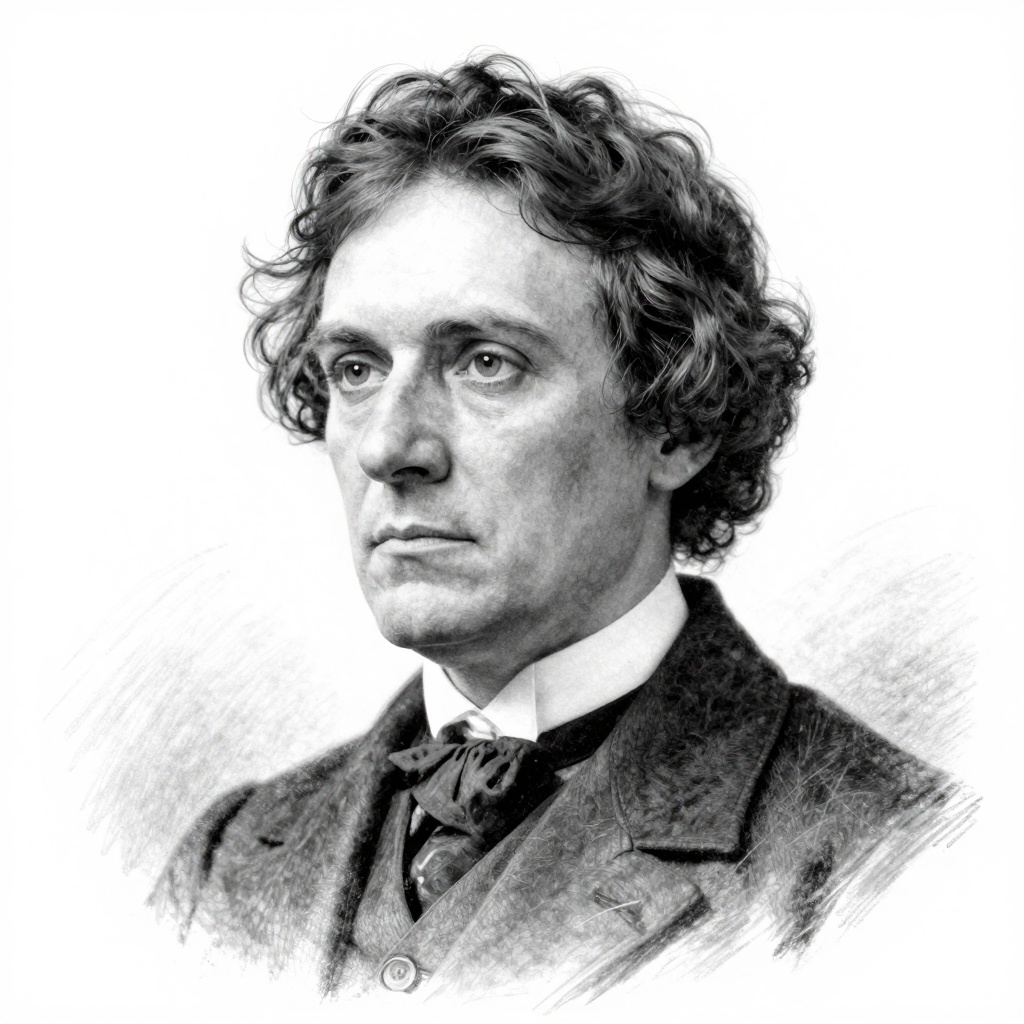
George Eliot was an English novelist and one of the leading writers of the Victorian era. She is known for her works such as "Middlemarch" and "Silas Marner," which explore complex human emotions and moral dilemmas with a keen psychological insight. Eliot's writing often focused on social issues and the struggles of everyday life, making her a prominent figure in English literature.
Comments